El Niño pushes Indian small-cardamom prices as high as ₹4,500 per kilogram
Small-cardamom prices in India have averaged about ₹3,000 per kilogram, with some grades reaching ₹4,500, Navbharat Times reports. The rise, linked by the publication to El Niño, is increasing costs for spice buyers during the festive season.
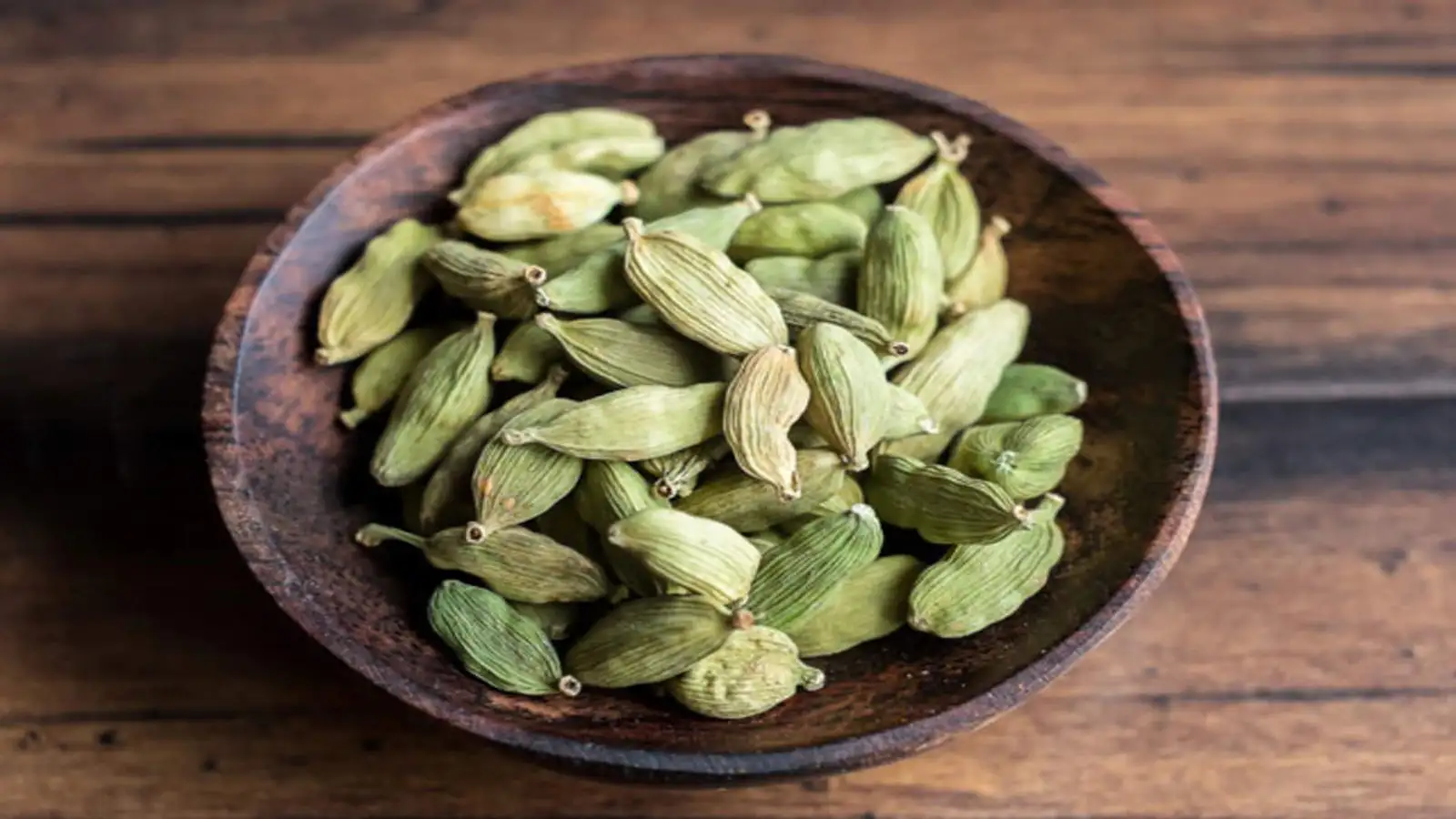
Premium grades reach ₹4,500 per kilogram
Prices for small cardamom in India have risen sharply, with the average reaching about ₹3,000 per kilogram and some grades selling for as much as ₹4,500 per kilogram, according to Navbharat Times. The publication links the increase to the effects of El Niño and warns that consumers may face higher costs during the festive season.
The gap between the reported average and the highest-priced grades is substantial: premium material is commanding as much as ₹1,500 per kilogram more than the average. That spread matters for processors and buyers because cardamom is not a uniform product. Different grades can serve different retail, food-processing and beverage requirements, leaving purchasers of higher-quality material more exposed to the current increase.
Supply concerns move through the spice market
The report identifies El Niño as the principal factor behind the jump but does not provide a quantified estimate of crop losses, production volumes or inventories. Without those figures, the full size and duration of the supply disruption cannot be established from the available information. The price movement nevertheless indicates that buyers are paying more to secure small cardamom, particularly in the grades at the upper end of the market.
For producers, higher prices can raise revenue per kilogram where marketable crop is available. The benefit may be limited, however, if weather-related damage has reduced output or affected quality. Traders and processors face the opposite pressure: expensive replacement stocks can increase working-capital needs and make it harder to maintain margins unless higher raw-material costs are passed on to wholesale or retail customers.
Festive demand raises the stakes for buyers
The timing is important because the increase has emerged during India’s festive season, when cardamom is used in tea, sweets and other foods. Navbharat Times notes that tea consumption could become more expensive and places the cardamom rise alongside an increase in sugar prices. Businesses using both ingredients may therefore encounter simultaneous cost pressure rather than an isolated increase in one spice.
Importers, exporters and domestic wholesalers will be watching whether the ₹4,500-per-kilogram level remains confined to selected grades or spreads more broadly. A persistent premium would encourage buyers to manage inventories more tightly, adjust product mixes or seek lower grades where specifications allow. Producers with acceptable quality stand to benefit most, while processors dependent on premium cardamom have fewer immediate alternatives.
The available report gives no export volumes, international price comparisons or forecast for the next crop. Those omissions make it premature to judge the effect on regional trade flows. For now, the clearest market signal is domestic: average small-cardamom prices are around ₹3,000 per kilogram, selected grades have reached ₹4,500, and festive-season buyers are facing a materially higher procurement bill.