Study: El Niño could drive grain oversupply in Latin America
A study cited by Globo Rural finds that El Niño could produce a grain oversupply in Latin America. Data from earlier El Niño episodes show Brazilian harvests running above their five-year trend, framing the phenomenon as a forward-looking supply risk for global markets.
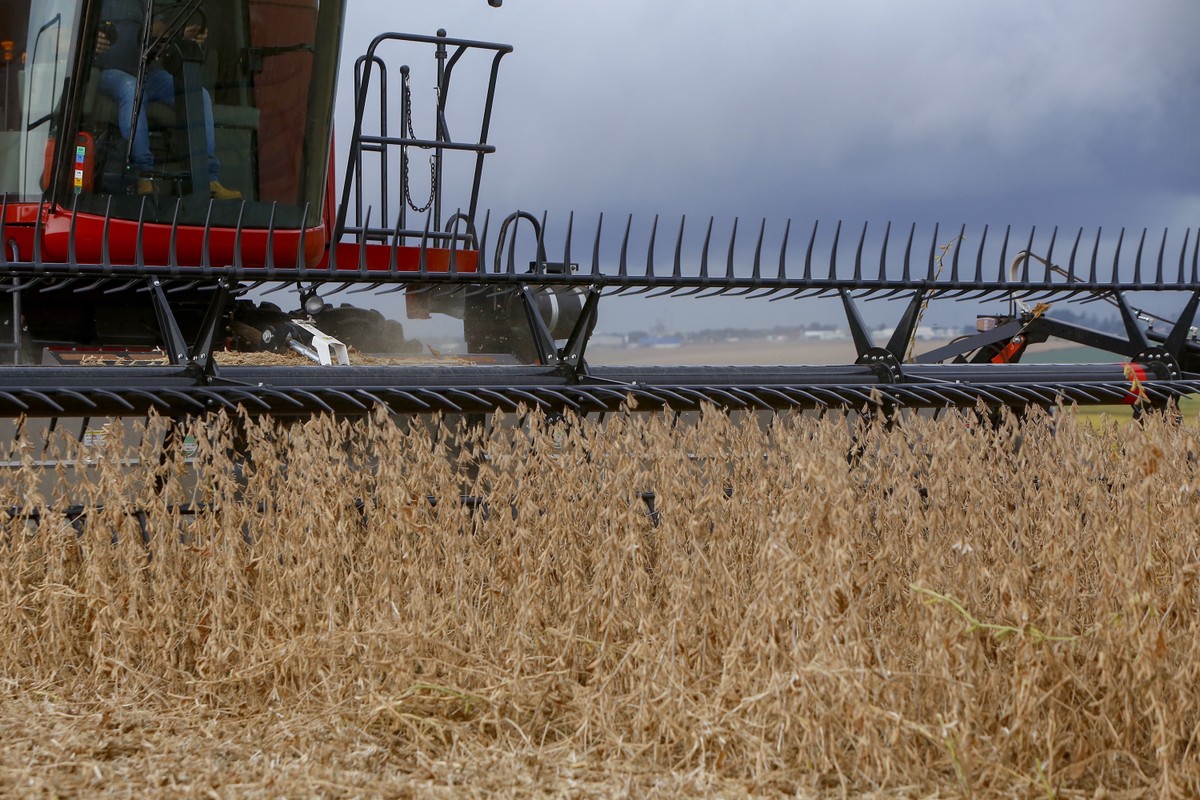
El Niño tied to above-trend Brazilian harvests
A study cited by Globo Rural concludes that the El Niño climate phenomenon could generate a grain oversupply across Latin America. The finding rests on data from earlier El Niño episodes, which show that Brazilian harvests recorded positive deviations from their five-year trend during those years.
El Niño is a periodic warming of the surface waters of the equatorial Pacific that shifts rainfall and temperature patterns throughout the Americas. For much of Brazil's grain-producing region, the phenomenon has historically overlapped with more favourable growing conditions. Globo Rural presents the study as a forward-looking signal for supply rather than a guaranteed outcome for any individual crop cycle.
Why above-trend output matters for markets
The study's core argument, as reported, is that the repeated pattern of harvests exceeding their five-year trend during El Niño years turns the phenomenon into a plausible source of oversupply. Brazil is one of the world's largest producers and exporters of soybeans and corn, so a regional swing toward larger crops feeds directly into global balance sheets.
When production across a major supplier rises above trend, the extra volume must be absorbed through higher domestic use, larger stocks or expanded exports. Each of those channels tends to weigh on prices, particularly when other exporting regions are also harvesting normally. That makes the timing and strength of an El Niño event a variable that traders, processors and importers watch closely.
A signal, not a forecast
The study stops short of projecting specific volumes, and the historical deviations it cites describe a tendency rather than a fixed rule. Weather within an El Niño year still varies by region and by crop, and the northern and southern parts of Brazil can experience very different rainfall under the same Pacific pattern.
Still, the framing is relevant for anyone positioning ahead of the next South American season. If the historical relationship holds, an El Niño phase raises the probability of comfortable regional supply, which shapes decisions on storage, forward sales and import scheduling. For importers, an above-trend Brazilian crop can mean cheaper and more readily available grain; for producers elsewhere, it signals tougher price competition.
The wider Latin American picture
Globo Rural frames the risk at the regional level, covering Latin America rather than Brazil alone. Neighbouring producers share overlapping growing seasons and export windows, so a synchronised move toward larger crops would amplify the effect on regional and global supply. The study's contribution is to tie that outcome to an identifiable, recurring climate signal, giving market participants a framework to anticipate supply pressure rather than react to it after harvest.