Experts warn El Niño could weigh on India’s 2026-27 wheat harvest
Experts have warned that climate change and a possible El Niño influence could affect India’s wheat production in the 2026-27 crop year. Delays affecting the kharif season may also disrupt the agricultural calendar, although no production estimate has been provided.
Climate risk moves into focus
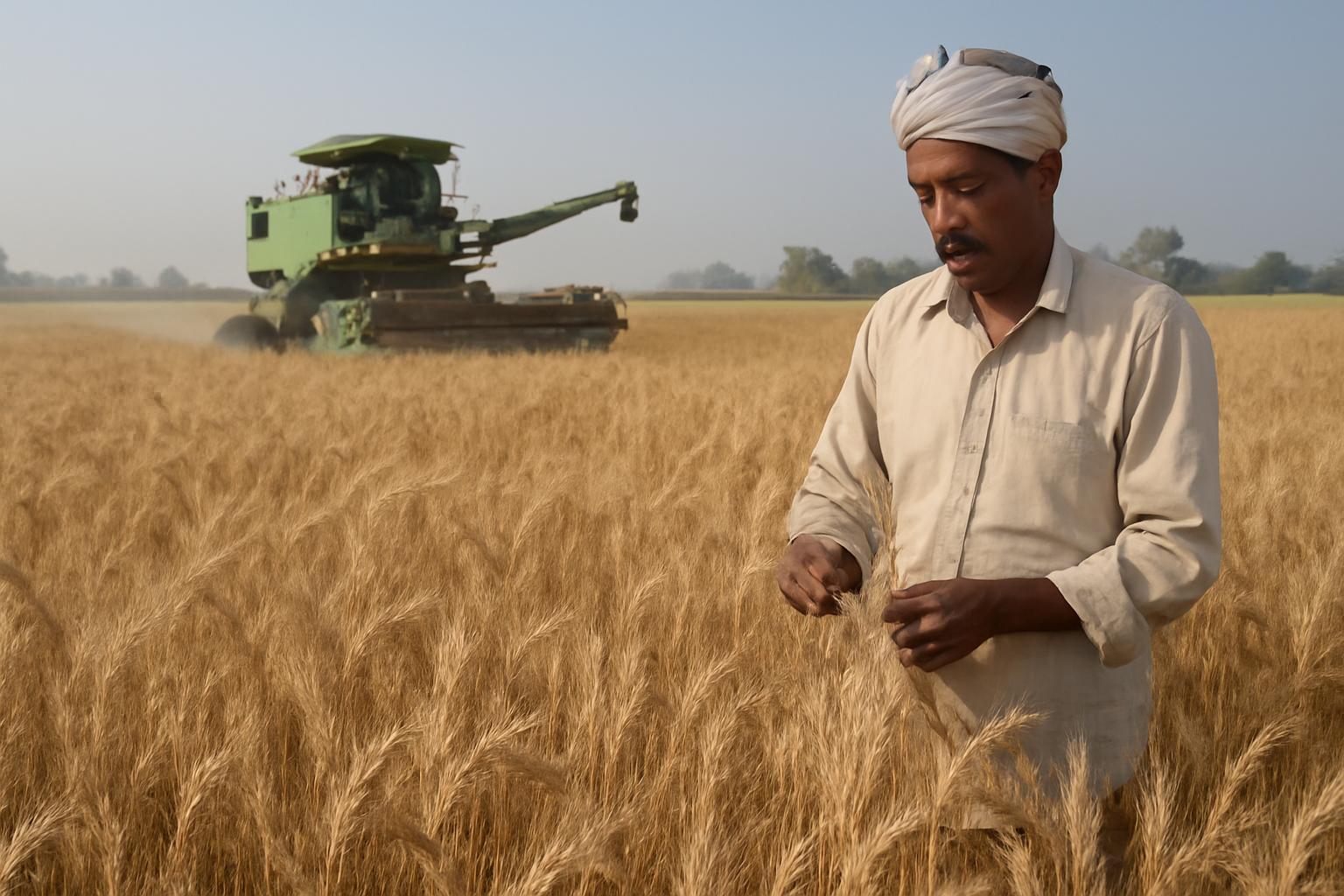
India’s wheat production could come under pressure in the 2026-27 crop year as climate change and the possible effects of El Niño raise concern about growing conditions. Experts discussing the outlook at an industry event warned that the next harvest may be affected, but the available information did not include a forecast for output, planted area or yield.
The warning is therefore an assessment of crop risk rather than a confirmed production loss. The scale of any effect will depend on how weather conditions develop during planting, crop establishment and grain filling. For producers and processors, the timing and distribution of rainfall and temperature anomalies will matter as much as national seasonal averages.
Kharif delays could affect the crop calendar
Concern over wheat is linked partly to delays surrounding the kharif season. A late kharif harvest can reduce the time available to prepare fields for the following crop, while delayed sowing can move wheat development into less favorable weather later in the season. The source material does not specify which states, crops or acreage have been affected by the delays.
This timing risk matters because wheat follows kharif crops across important parts of India’s agricultural system. Farmers facing a narrower planting window may have to make faster decisions on field preparation, seed and other inputs. Millers and grain traders will watch whether these constraints translate into changes in sowing progress, yield expectations or the timing of arrivals.
No quantified crop forecast yet
No numerical estimate was given for the possible reduction in India’s 2026-27 wheat production. The warning also does not establish that El Niño will occur, how strong it could be or when its effects might emerge. Until those points are clearer, comparisons with previous harvests or calculations of a prospective supply deficit would be premature.
The immediate indicators for the market will be official weather assessments, the progress of kharif harvesting and subsequent wheat sowing, and field reports during the growing season. These data will determine whether the concern remains a general climate warning or develops into a measurable production problem.
For India’s wheat supply chain, the distinction is important. A material crop shortfall could affect availability for millers, domestic grain prices and decisions concerning public stocks or overseas purchases. None of those outcomes is confirmed by the information currently available. Producers, processors, traders and investors are consequently dealing with an early risk signal rather than a settled balance-sheet change.