Egyptian Sugar Exports Reach $290 Million After Five Years of Growth
Egypt exported 581,000 tonnes of sugar worth $290 million in 2025 after five years of sustained growth. Lebanon, Sudan, Somalia, Yemen and Italy accounted for about 82% of shipments, highlighting both strong regional demand and substantial market concentration.
Exports reach 581,000 tonnes
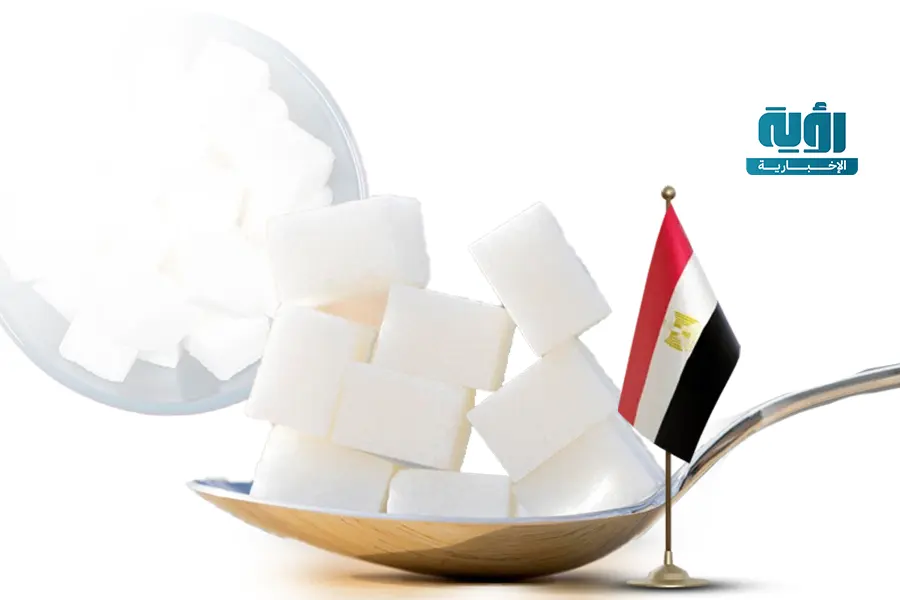
Egypt exported about 581,000 tonnes of cane or beet sugar and chemically pure sucrose in 2025, generating approximately $290 million, according to Roayah News. The result placed the country 14th among global sugar exporters, with a share of about 2% of worldwide exports.
The figures show that Egypt has developed a measurable position in the international sugar market while remaining well behind the largest global suppliers. Its 2% share is large enough to make overseas demand relevant to Egyptian producers, processors and traders, but small enough to leave room for further expansion if supply and pricing remain competitive.
The reported value and volume imply an average export value of roughly $499 per tonne in 2025. This is a calculation based on the published totals, rather than a separately reported market price. The figure combines all products, destinations, contract terms and quality specifications covered by the export data.
Export value grows faster than volume
From 2020 to 2025, the value of Egyptian sugar exports recorded a compound annual growth rate of 17%, while shipment volume grew at a compound annual rate of 11%, Roayah News reported. Both indicators point to a sustained expansion of Egypt's presence in foreign markets over the five-year period.
The six-percentage-point gap between value and volume growth indicates that export earnings increased faster than physical shipments. The available information does not separate the effects of international prices, product mix, destination mix or contract conditions, so it does not establish a single cause for that difference.
For the Egyptian industry, the combination of higher volume and still faster value growth is commercially significant. Processors gained a larger overseas outlet for production, while exporters handled more tonnes and generated more revenue. Buyers in destination markets also became more exposed to the availability and competitiveness of Egyptian supply.
Five markets take 82% of exports
Lebanon was the largest destination for Egyptian sugar in 2025, purchasing $107 million. Sudan followed with $69 million, while exports to Somalia were worth $29 million. Yemen bought $20 million and Italy $14 million.
Together, those five destinations represented about 82% of Egypt's total sugar exports. Lebanon alone accounted for approximately 37% of the reported $290 million total, while Sudan represented roughly 24%. These ratios are derived from the published values and show that a substantial part of Egypt's export business depended on two markets.
The destination profile combines four markets in the Middle East and Africa with Italy as the only European country among the five largest buyers. This concentration gives Egyptian suppliers established commercial outlets, but it also makes overall performance sensitive to purchasing conditions in a limited group of countries. Diversifying destinations would reduce that exposure and provide additional channels for continued volume growth. For importers and traders, Egypt's five-year expansion establishes it as a more visible regional supplier, although its 2% global share means it remains one participant in a much larger international market.