Egyptian Poultry Industry Seeks Access to New African Markets
Egyptian industry representatives are discussing new poultry export opportunities with African embassies, Cairo24 reports. Progress will depend on converting diplomatic contacts into clear sanitary requirements, commercial agreements and dependable market access.
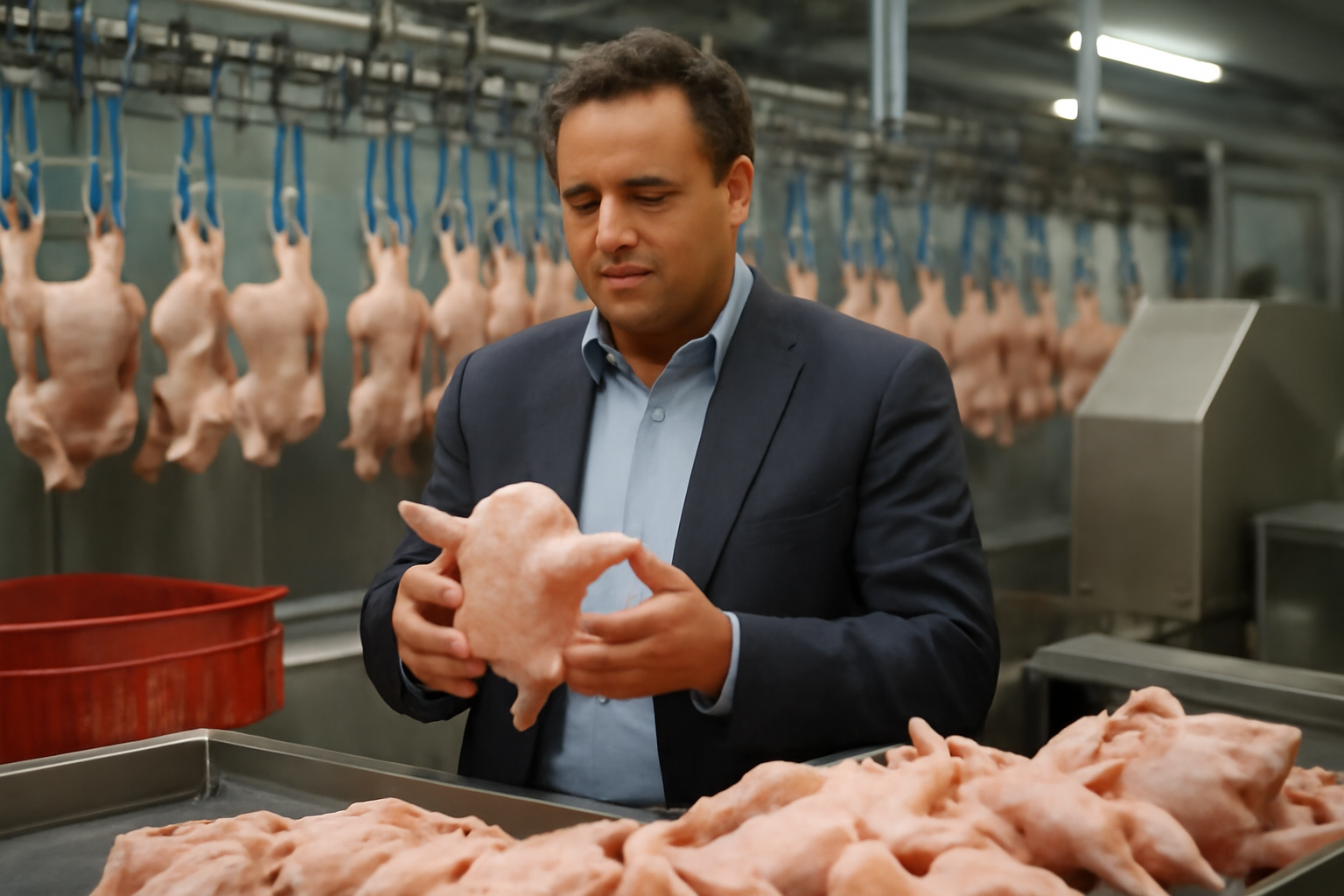
Industry opens talks with African embassies
Egyptian poultry industry representatives are seeking access to new export markets in Africa, according to Cairo24. A source at the chambers of commerce told the publication that discussions are taking place with embassies of African countries to identify opportunities for Egyptian poultry exports and improve access to markets across the continent.
The report does not identify the countries involved, the poultry products under consideration or a timetable for reaching market-access agreements. It also provides no projected export volumes, contract values or information about companies participating in the discussions. The initiative therefore remains at an exploratory stage, with diplomatic engagement intended to establish where commercial openings may exist.
Market access requires more than buyer interest
For Egyptian suppliers, an embassy-level dialogue can help clarify which authorities oversee poultry imports, what documentation exporters must provide and whether potential buyers are interested in fresh, frozen or processed products. The commercial outcome, however, will depend on whether exporters can meet the conditions imposed by each destination.
Sanitary approval is likely to be a central subject in any negotiations. Prospective markets may need to assess veterinary controls, animal-health certification, processing facilities and systems for tracing products through the supply chain. The Cairo24 report does not say whether any African authority has begun such an assessment or approved Egyptian establishments.
Commercial requirements will be equally important. Exporters and buyers must determine product specifications, packaging, payment arrangements, transport routes and delivery schedules. Without named destination markets, it is not yet possible to evaluate the relevant tariff treatment, competitive landscape or logistics costs. These factors could differ substantially from one African country to another.
Next steps will determine commercial impact
The talks indicate that Egypt's poultry sector is looking beyond its domestic market and treating African diplomatic channels as a route to prospective customers. For producers and processors, additional destinations could broaden the available sales base. For traders, the initiative may create opportunities to connect Egyptian suppliers with importers whose technical and commercial requirements can be met.
The decisive stage will come when general discussions produce country-specific procedures. Exporters will need clarity on eligible products, veterinary certificates, approved plants and any inspection or registration process. Buyers will also require dependable information on supply, quality and delivery conditions before negotiations can become firm orders.
Until particular countries announce access terms or contracts are concluded, the scale of the opportunity cannot be measured. The immediate significance of the initiative is that industry representatives have begun engaging African embassies. Its longer-term value will depend on regulatory approvals and commercially viable transactions rather than diplomatic interest alone.