Egyptian oranges expand into Asian markets as China opens as a destination
Egypt is widening the geography of its orange exports, with Asian destinations and China in particular taking on a larger role, banker.news reports. The outlet credits higher production and better grading and packing of export fruit, and names quality compliance as the main challenge. No volumes, prices or contract values were disclosed.
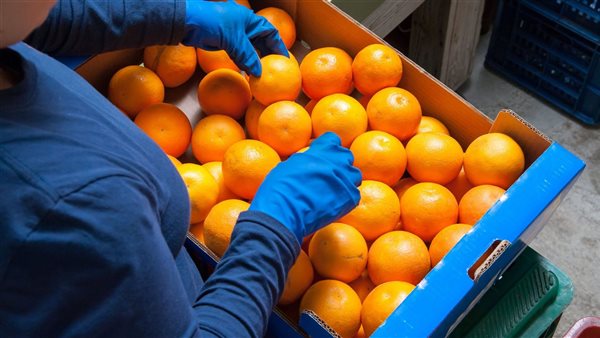
Egypt is widening the geography of its orange exports, with Asian destinations — China above all — taking on a larger role in the country's shipping programme, according to banker.news.
The publication reports that Egyptian oranges have become one of the country's strongest agricultural competitors on world markets, helped by rising production and by better quality control, grading and packing of fruit prepared for export. The crop keeps a presence across a wide range of foreign markets and is moving actively in both Europe and Asia, in parallel with a broader expansion of Egyptian agricultural exports. banker.news does not publish volumes, prices or contract values for the shipments it describes.
China moves to the front of the queue
The turn towards China matters because it is one of the largest consumer markets in the world, banker.news writes. Opening it to Egyptian oranges widens the opportunity set for both exporters and the farmers supplying them: a destination of that size can absorb volumes that smaller markets cannot, and it gives shippers an alternative outlet when demand in traditional markets softens.
For the trade, the relevant point is placement rather than headline demand. A large consumer market only turns into revenue for a supplier that can meet its specifications, ship on schedule and hold fruit condition over a long sea transit. The report frames China as a new door rather than a finished channel, and does not describe the terms on which Egyptian fruit enters it.
Quality and packing decide who stays
banker.news identifies quality as the central challenge of the expansion. Egyptian fruit is measured against oranges from other exporting countries in the same markets, and the outlet notes that holding the required quality and specifications is what will determine whether it can keep competing. The same report credits improvements in three areas for the crop's current position:
- higher production volumes available for export;
- improved quality of the fruit selected for foreign markets;
- better grading and packing of consignments prepared for shipment.
Less dependence on a single market
The commercial argument set out by banker.news is diversification. Each additional receiving market reduces reliance on any one destination and opens fresh outlets for Egyptian producers. For a perishable crop with a fixed harvest window, that spread works as a direct hedge: a regulatory change on the import side, a currency move or a demand slump in one country weighs less on the season's overall result when shipments are split across Europe, Asia and other regions.
What the report does not provide is the scale of that shift — no tonnage, market share or value figures are given for Egypt's orange trade, nor for the Chinese share of it. For importers, processors and traders following the citrus season, the operational questions stay open: which volumes move east rather than west, how freight and transit times affect landed quality, and whether Egyptian packhouses can hold specifications steady across a larger and more varied set of buyers.