Lower-Priced Egyptian Olives Erode Greece’s Share in Export Markets
Egyptian table olives are gaining ground against Greek suppliers in Australia and other international markets because of lower prices. Greek exporters face weaker sales, expensive inventories and pressure on processing margins.
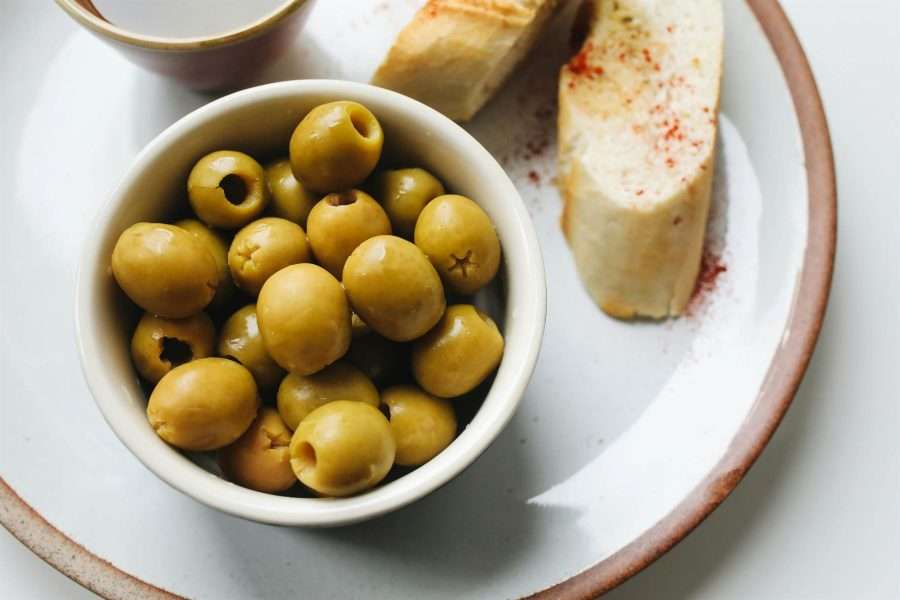
Egyptian suppliers gain an edge on price
Lower-priced Egyptian table olives are putting Greece’s export position under growing pressure, including in Australia, a traditionally important market for Greek producers and exporters. Agricultural publication Thessalikigi.gr reports that Egyptian suppliers have gained a comparative advantage as international buyers increasingly demand lower quotations.
The competitive pressure extends beyond Australia. Greek suppliers have already lost business in Gulf markets, while customers in the United States and Germany have complained about the price of Greek olives. The reports indicate a broad challenge for exporters: buyers in several major destinations are resisting Greek prices at the same time as lower-cost competitors expand their presence.
Large stocks weigh on the new season
The new marketing season is beginning with inventories estimated at roughly three times last year’s level, according to Thessalikigi.gr. Green olives are particularly important because they account for about 60% of Greek table olive exports. Part of the inventory was purchased at higher costs during the previous season, limiting the ability of processors and exporters to reduce their selling prices.
Market estimates cited by the publication point to lower profitability, especially for green olives. For the full year, Greek exports are expected to decline by about 2% to 2.5% in value, with the contraction in volume forecast to be slightly larger. That difference suggests weaker realized prices or a less favorable product mix alongside reduced shipments, although the source does not provide a detailed breakdown.
Costs constrain the Greek response
Greek processors also face higher energy expenses. Companies must therefore balance requests for more competitive offers against the cost of stocks already on their books. Market participants do not describe the situation as a crisis, but they say processors need to revise sales targets and profit expectations. The combination of elevated inventories, buyer resistance and lower Egyptian prices makes margin protection more difficult.
The competitive gap also reflects productivity in primary production. Spain and Italy have invested in new technology and more efficient harvesting methods, improving their competitiveness. Greece has modernized processing, but progress at farm level has not kept pace. Industry priorities include restructuring varieties and landholdings, improving rural roads and managing water resources more effectively. These changes require time and investment, as well as better use of Common Agricultural Policy tools and state support. For Greek exporters, however, the immediate test is commercial: defending established markets such as Australia while clearing higher-cost stocks without sacrificing already compressed margins.