Egypt Says Sugar Reserves Exceed Ten Months as Poultry Stocks Top Five Months
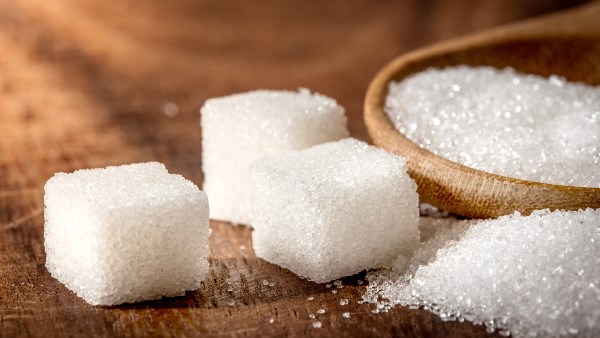
Egypt’s strategic sugar reserve covers more than ten months, while poultry stocks exceed five months, according to the Ministry of Supply and Internal Trade. The buffers, supported by domestic production and procurement contracts, could limit near-term supply risks and help stabilize food prices.
Strategic stocks provide a supply buffer
Egypt’s strategic sugar reserve is sufficient for more than ten months of domestic demand, while poultry stocks cover more than five months, according to Ahmed Kamal, spokesperson for the Ministry of Supply and Internal Trade. El Balad reported that the ministry considers the availability of strategic commodities reassuring despite continuing challenges in the region.
The government is securing essential goods through a combination of domestic production, external procurement contracts and strategic inventories. The reported coverage periods provide Egypt with a substantial buffer against temporary disruptions in production or international supply. They could also give public buyers more flexibility over the timing of new contracts, although the ministry did not disclose stock volumes, consumption assumptions or planned import quantities.
Local cane and beet underpin sugar supply
Egypt relies heavily on domestic sugar production from sugar cane and sugar beet, Kamal said. Factories have completed maintenance work and preparations are under way for the new production season. Al Gomhor reported that the ministry sees local output as central to meeting demand and reducing dependence on imports.
A reserve exceeding ten months means immediate shortages are less likely if the coming processing season proceeds as planned. For growers and processors, factory readiness will be important to the pace at which the new crop is converted into marketable sugar. For traders and importers, the size of the buffer may restrain urgent government purchasing, but external contracts remain one of the three pillars of Egypt’s supply policy. The ministry gave no figures for domestic output, import requirements or the balance between cane and beet sugar.
Distribution network supports market availability
The ministry also described edible-oil inventories as reassuring, without stating a coverage period. El Balad said subsidized commodity distribution was operating regularly and that more than 15% of October’s monthly allocations had been distributed by October 4. The government was offering around 30 products at discounted prices through 284 outlets across the country, a measure the ministry said had contributed to price stability and orderly markets.
Egypt’s subsidized bread system is also operating normally, with about 30,000 outlets producing more than 250 million loaves per day, according to El Balad. The government continues to monitor inventories, procurement contracts and local production. For food-sector participants, the key signal is that authorities report no immediate supply gap in sugar or poultry. However, future import demand will still depend on the performance of the new sugar season, the rate at which stocks are consumed and the government’s decisions on replenishing strategic reserves. The published statements did not include wholesale or retail prices, making it difficult to measure how much of the inventory cushion has already passed through to consumers.