Egypt Secures Immediate Philippine Market Access for Five Agricultural Products
Egypt and the Philippines signed an agreement granting immediate market access to Egyptian grapes, onions, garlic, tomatoes and carrots. The two countries are also completing procedures for future access for Egyptian potato exports.
Five Egyptian products gain immediate access
Egypt and the Philippines have signed an agreement granting immediate access to the Philippine market for five Egyptian agricultural products: grapes, onions, garlic, tomatoes and carrots. The measure creates a new commercial channel for Egyptian growers and exporters in Southeast Asia, although the announcement did not disclose expected shipment volumes, implementation quotas, tariffs or the phytosanitary conditions attached to trade.
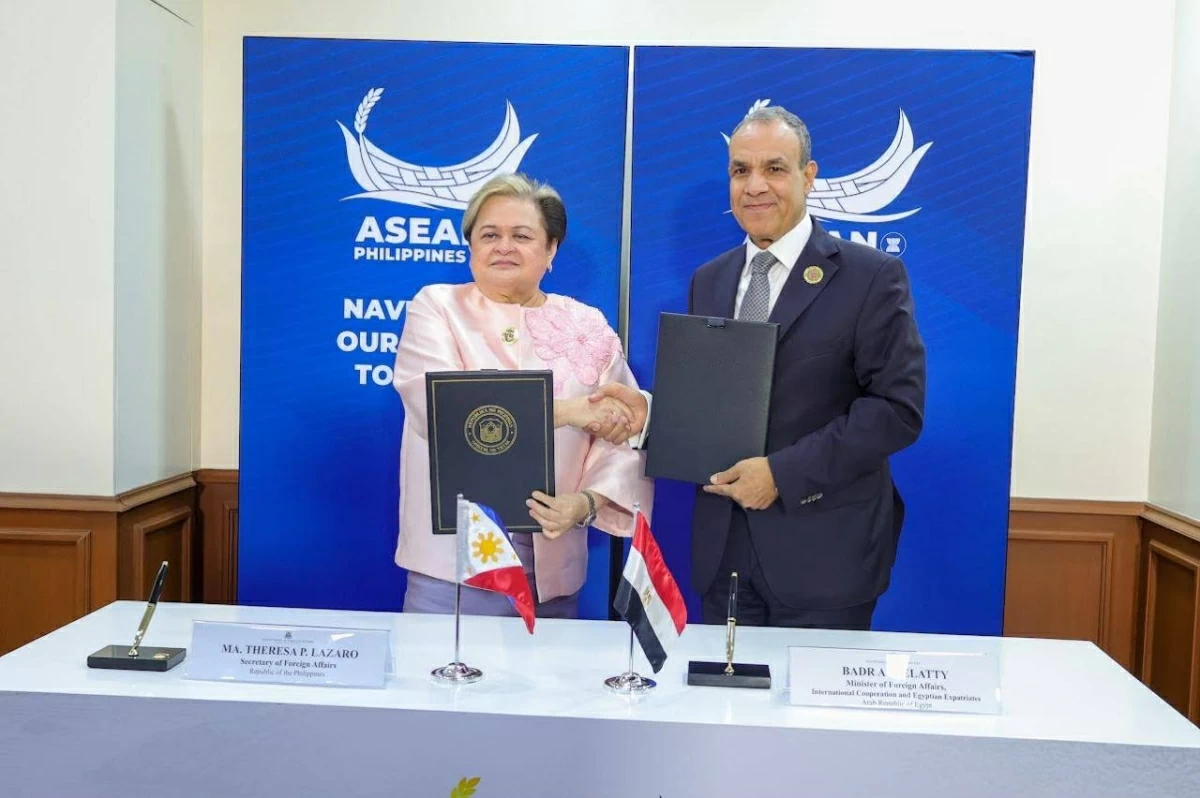
According to Al-Masry Al-Youm, the agreement was signed on Friday by Egypt’s Minister of Foreign Affairs, Emigration and Egyptian Expatriates, Badr Abdelatty. The signing took place during the tenth round of the Egypt-Philippines political consultation mechanism. The meeting was the first round held at the level of the two countries’ foreign ministers since the mechanism was established, with Philippine Foreign Secretary Maria Theresa Lazaro leading the Philippine side.
Food security becomes a pillar of bilateral cooperation
The ministers described the agreement as an important step toward strengthening economic and commercial cooperation. They said it marked the beginning of a new phase in the two countries’ food-security partnership and could support bilateral trade and their shared economic interests. Immediate access gives the five listed products a formal route into the Philippine market, but actual trade will depend on commercial demand, logistics, product quality and compliance with the applicable import requirements.
The product list spans both fresh fruit and vegetables. Grapes represent the fruit component, while onions, garlic, tomatoes and carrots broaden the opportunity for Egyptian vegetable suppliers. For producers, packers and traders, access to another destination can widen the potential customer base. Philippine importers, meanwhile, gain an additional approved origin from which to source these products, subject to the practical terms governing individual shipments.
Potatoes, fertilizers and other sectors remain under discussion
The two governments are also coordinating the remaining procedures for anticipated access for Egyptian potato exports. Al-Masry Al-Youm reported that the relevant authorities in both countries are working with the Egyptian embassy in Manila on the process. Potatoes were not included among the five products receiving immediate access, making their status distinct from grapes, onions, garlic, tomatoes and carrots.
The discussions extend beyond fresh produce. The Egyptian side said work would continue to promote Egyptian fertilizer exports, facilitate the registration of Egyptian medicines and dietary supplements, and strengthen exports of fabrics and cotton textiles. No values, volumes or completion dates were announced for these initiatives. Together, the measures show that Cairo and Manila are seeking a broader economic relationship covering agriculture, industrial goods, healthcare products, bilateral trade and investment, while the immediate and concrete outcome remains market access for the five named crops.