Egyptian rice prices diverge as new-crop paddy reaches mills
Reports published on 1 October 2026 describe Egyptian rice prices as stable, rising and falling at the same time, as harvest deliveries add to leftover old-crop stocks. Paddy is quoted at 13,000–15,500 pounds per tonne and white rice at 20,500–24,000 pounds, while the rice division of the Federation of Industries puts the white-rice surplus at about 900,000 tonnes.
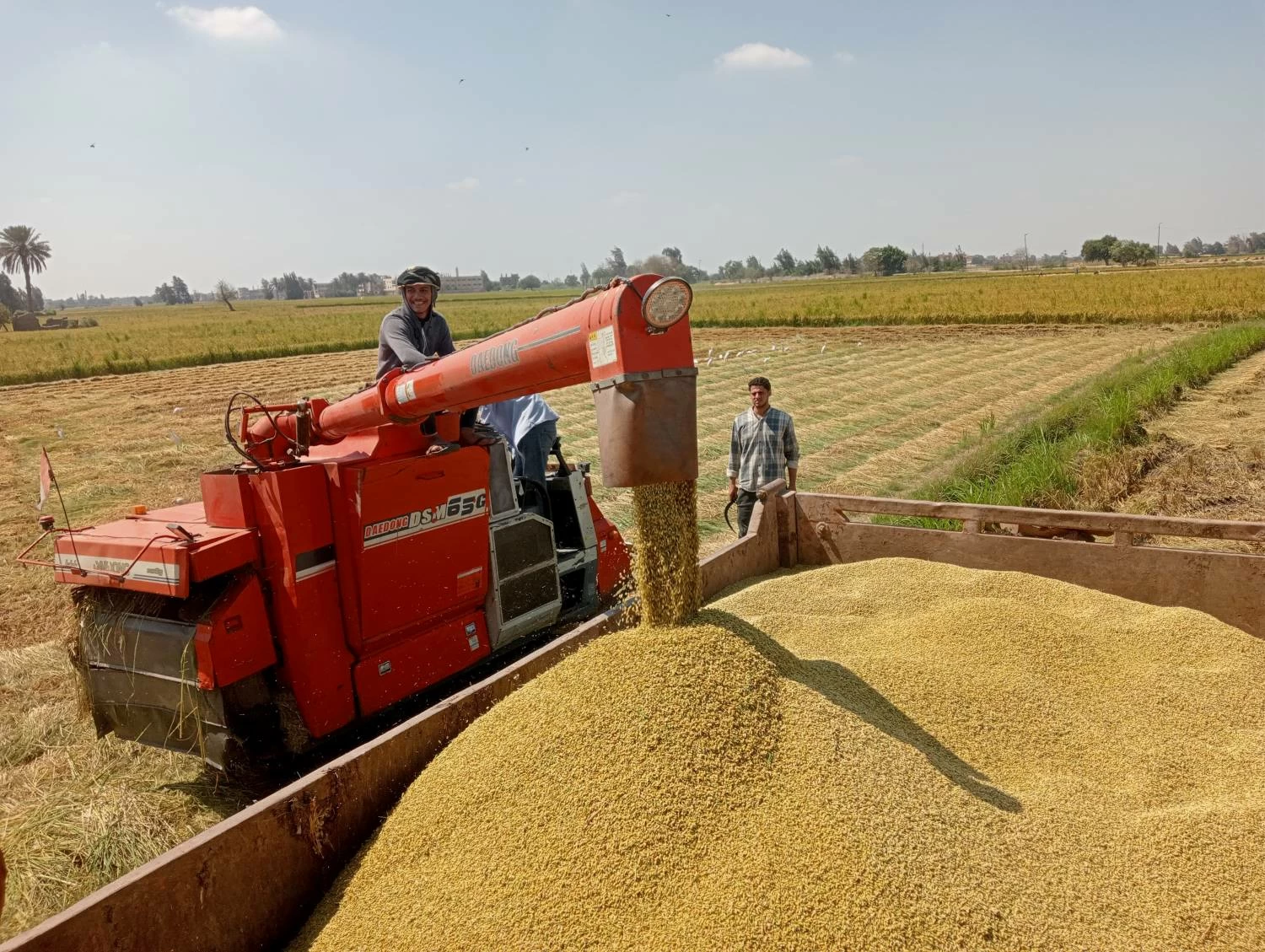
Rice prices in Egypt are moving in different directions depending on who is counting. Reports published on Thursday, 1 October 2026 put wholesale paddy and white rice quotations at stable, higher and sharply lower levels at the same time, as the new crop reaches mills and adds to stocks carried over from the previous season.
Wholesale quotes in the governorates
Al-Masry Al-Youm reported that rice prices in Sharqiya governorate held steady, citing traders in the province and attributing the stability to supply that covers consumer requirements alongside continued market-monitoring efforts by the authorities. The paper noted that prices vary from trader to trader and from market to market according to variety and quality.
- Fine-grain paddy: 13,000 to 13,200 Egyptian pounds per tonne
- Broad-grain paddy: 15,000 to 15,500 pounds per tonne, averaging 15,000 pounds
- Fine-grain white rice: 20,500 to 21,000 pounds per tonne
- Broad-grain white rice: 23,500 to 24,000 pounds per tonne
- Loose white rice at retail: about 24 pounds per kilogram for fine grain, about 25 pounds for broad grain
The same publication listed packaged pasta at around 20 pounds per kilogram and packaged fava beans at about 40 pounds per kilogram. A separate Al-Masry Al-Youm price survey covering Minya governorate also described white rice prices as notably stable.
Mills, broken-grain grades and raw rice
Alam Al-Mal reported that rice prices rose in trading on 1 October, in step with the continuing harvest in a number of governorates and the arrival of fresh volumes of the crop on the market. Its quotations were structured by broken-grain content: domestic broad-grain white rice at 3 percent brokens held at about 24,000 pounds per tonne, while fine-grain white rice at 5 percent brokens was quoted at about 21,000 pounds per tonne. Raw rice was put at 15,867 pounds per tonne for purchase against 15,767 pounds for sale. The outlet stressed that price levels differ between regions and markets according to grain type, broken-grain share and crop quality, as well as the cost of milling, packing and transport.
Surplus of about 900,000 tonnes
Elbalad reported a decline of 18 to 20 percent in rice prices in the current period, linking it to higher domestic output and a supply volume that exceeds consumption. Ragab Shehata, head of the rice division at the Federation of Industries, told the outlet that Egypt produces between 6.5 and 7 million tonnes of paddy a year, which yields roughly 4.25 to 4.5 million tonnes of white rice after milling. Domestic consumption of white rice stands at about 3.6 million tonnes a year, leaving a surplus he estimated at around 900,000 tonnes.
Alam Al-Mal gave a similar balance for the current season: paddy output of 6.5 to 7 million tonnes, about 4.5 million tonnes of milled white rice, and domestic consumption of some 3.6 million tonnes.
According to Shehata, new-crop rice began appearing on the market in the second half of August, when a number of mills started processing fresh paddy. Quantities of old-crop rice remain in the market alongside the new harvest, and the overlap of the two has lifted available supply and weighed on prices. He said domestic production is sufficient to cover market needs and that price direction in the coming period will depend on the balance between supply volumes and demand.
Reading the divergence
The gap between the reported figures reflects the layers of the market rather than a single national price. Paddy quotations track deliveries from the field during the harvest, milled-rice quotations depend on broken-grain grades and processing costs, and retail prices move last. Al-Masry Al-Youm's governorate lists and Alam Al-Mal's grade-based quotes converge at the top of the range — around 24,000 pounds per tonne for broad-grain white rice and about 21,000 pounds for fine grain — while Elbalad's reported 18 to 20 percent decline describes the change over the current period without specifying a reference level.