Egypt Prepares Citrus Export Program for Poland After 50 Importer Meetings
Egypt has begun preparing a citrus export program for Poland after its Warsaw trade office arranged about 50 meetings with Polish importers, retailers and companies. The initiative also promotes frozen strawberries, olives, tomato paste, juices and concentrates as Egypt seeks wider access to Central and Eastern Europe.
Export program follows Warsaw business meetings
Egypt has begun preparing a citrus export program for Poland as part of a broader effort to increase sales of Egyptian agricultural and food products in the Polish market. The initiative emerged from business meetings organized by the Egyptian Commercial Service office in Warsaw, according to Youlyou.
The office arranged about 50 meetings between participating Egyptian companies and Polish importers, retail chains and businesses interested in Egyptian agricultural products. The discussions covered opportunities to increase exports, the requirements of Polish buyers and the specific needs of the market. Egyptian exporters are expected to use that information to broaden their customer base and adapt commercial offers to prospective buyers.
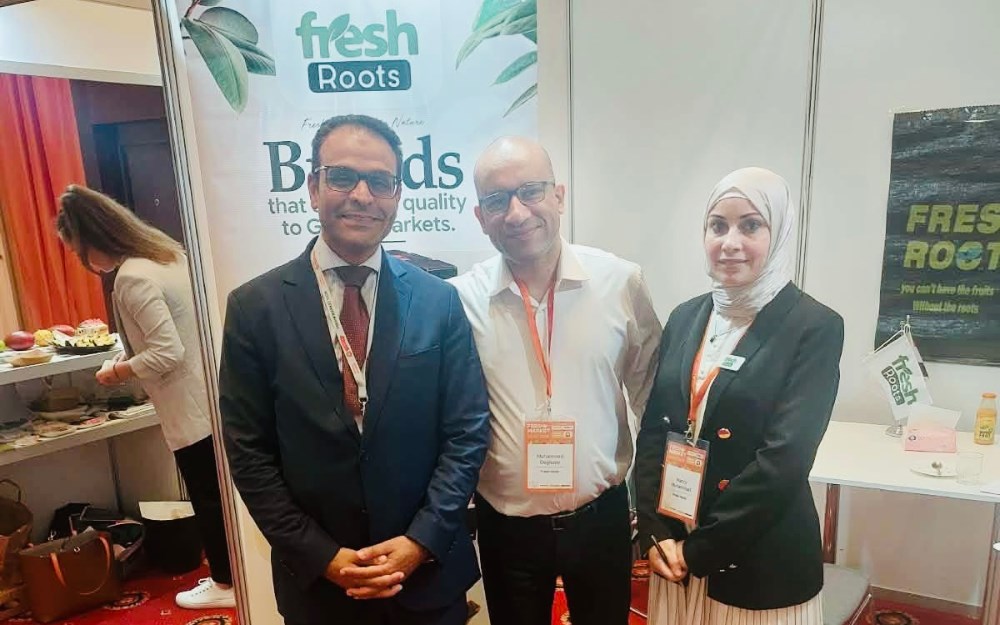
About 7 Egyptian agricultural export companies took part in the promotional activities, which were held alongside the Fresh Market produce exhibition in September. The meetings led the parties to start preparing a dedicated program for Egyptian citrus exports to Poland. No shipment volume, launch date or participating buyer was disclosed.
Poland viewed as a route into the wider region
Abdel Aziz El Sherif, first undersecretary at the Ministry of Investment and Foreign Trade and head of the Egyptian Commercial Service, said the agency’s overseas offices were seeking to strengthen direct contact between Egyptian companies and buyers in foreign markets. He described Poland as a promising destination for Egyptian products and as a gateway to other markets in Central and Eastern Europe.
For citrus exporters, the planned program could create a more organized route to Polish importers and retailers. Its commercial impact, however, will depend on whether the meetings produce orders and whether suppliers can meet buyers’ specifications, delivery schedules and other market requirements. The Warsaw office is following up with the Polish companies and importers involved while helping Egyptian exporters continue negotiations and turn the opportunities into export transactions.
Food promotion extends beyond citrus
The Egyptian Commercial Service also participated in the Africa Trade and Food Forum held alongside the Polagra exhibition in Poznan from 23 to 26 September. The forum examined opportunities to develop trade and investment in the food-processing sector and provided another venue for presenting Egyptian products to Polish companies and buyers.
Products promoted by the Warsaw office included frozen strawberries, olives, tomato paste, juices and concentrates. The office presented their competitiveness and prospects for higher exports to Poland. This wider basket indicates that the citrus program forms part of a broader market-development campaign rather than a standalone initiative.
The activities support the Ministry of Investment and Foreign Trade’s effort to increase Egyptian exports and open new markets for agricultural and food products. For producers and processors, progress will be measured by contracts and repeat orders rather than the number of initial meetings. For Polish buyers, the program could add Egyptian suppliers across fresh produce and processed foods, provided the ongoing talks establish workable commercial terms.