Egypt exports 185,000 tonnes of food to 157 markets in one week
Egypt exported 185,000 tonnes of food in 4,130 consignments between September 19 and 25, 2026. Syria led the 157 destination markets, followed by Saudi Arabia, Sudan, Madagascar and the United States.
Exports reach 157 countries
Egypt exported about 185,000 tonnes of food products in 4,130 consignments between September 19 and 25, 2026, according to the 36th weekly report of the National Food Safety Authority for 2026. The shipments, dispatched on behalf of 1,400 companies, reached 157 countries.
Syria was the largest destination for Egyptian food exports during the week. Saudi Arabia ranked second, followed by Sudan, Madagascar and the United States. The leading markets span the Middle East, Africa and North America, illustrating the geographical range served by Egyptian food producers and exporters.
The report did not disclose shipment volumes or values for individual destinations. It therefore does not show how much of the 185,000-tonne total went to Syria or the other four leading markets. However, the overall figures indicate an average of about 45 tonnes per consignment across all product categories and destinations.
Vegetables and fruit account for 80,000 tonnes
The exported goods covered about 750 food items. The range included vegetables and tubers, fruit, preserved fruit and vegetable preparations, flour and cereal products, as well as other processed foods.
Vegetable exports reached about 50,000 tonnes across 34 products. Potatoes led this category with 15,000 tonnes, followed by onions at about 12,000 tonnes and beans at 7,000 tonnes. Together, these three products represented 34,000 tonnes, or more than two-thirds of the reported vegetable volume.
Fruit exports totaled about 30,000 tonnes across 25 products. Strawberries ranked first with 9,000 tonnes, ahead of mangoes at 8,000 tonnes and pomegranates at 6,000 tonnes. The three leading fruits consequently accounted for 23,000 tonnes, or more than three-quarters of the fruit total.
Vegetables and fruit together contributed 80,000 tonnes, representing about 43% of all food exports reported for the week. The remaining 105,000 tonnes came from other categories, including preserved produce, flour, cereal products and miscellaneous foods. The source did not provide a fuller breakdown of these volumes or disclose export values and prices.
Safaga handles the most consignments
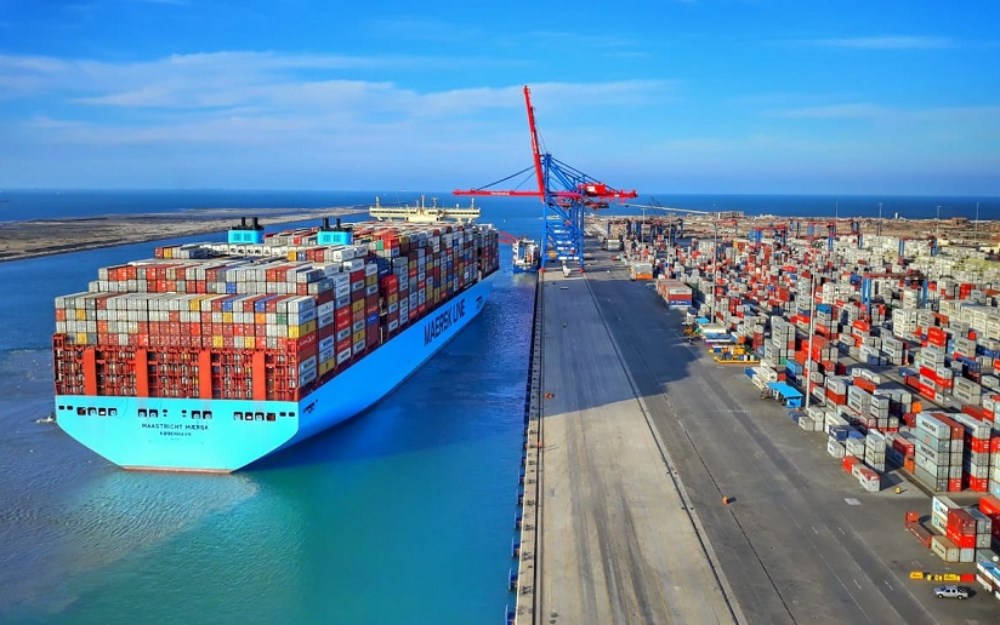
Safaga was the leading export port by number of food consignments, processing 776 shipments during the week. Alexandria followed with 558 consignments, while Damietta handled 525. Combined, the three ports accounted for 1,859 consignments, or about 45% of the weekly total.
The port data are based on shipment counts rather than tonnage. They therefore indicate the frequency of export movements but do not establish which port handled the greatest physical volume or value. Safaga's position is nevertheless relevant to food trade with nearby Middle Eastern and African markets, while Alexandria and Damietta are major Mediterranean gateways.
The National Food Safety Authority issued 1,350 health certificates for exports during the reporting period. Such documentation is required to demonstrate that consignments meet food-safety and sanitary conditions in destination markets. With 750 products going to 157 countries, certification capacity and port processing remain operational factors for Egypt's producers, processors and traders.