Egypt’s Agricultural Exports Reach 7.2 Million Tonnes as Citrus Leads
Egypt’s agricultural exports have reached 7.2 million tonnes since the beginning of the year, according to the Egyptian Agricultural Quarantine. Citrus remains the country’s leading agricultural export category.
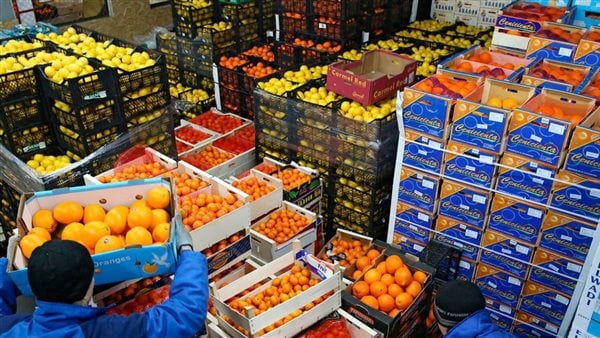
Export volume reaches 7.2 million tonnes
Egypt’s agricultural exports have reached 7.2 million tonnes since the beginning of the year, according to an official cited by Egyptian newspaper Shorouk. The figure marks the latest reported total for the country’s overseas agricultural sales, with citrus retaining the leading position among exported products.
El-Sayed Abbas, director of the technical office at the Egyptian Agricultural Quarantine, disclosed the volume in comments to Shorouk. The quarantine authority plays a central role in supervising plant-health requirements for agricultural consignments, making its figures an important official indicator of the physical volume cleared for foreign markets.
The reported total covers agricultural products by weight rather than export revenue. It therefore shows the scale of Egypt’s shipments but does not, by itself, establish how much exporters earned or whether average prices improved. Shorouk’s report also did not provide a comparison with the same period of the previous year, a detailed product breakdown or figures for individual destination markets.
Citrus remains the core export category
Citrus ranked first among Egypt’s agricultural exports, according to Abbas. That leading position makes the category the main driver of the aggregate volume and places citrus producers, packing facilities and exporters at the centre of the country’s agricultural export performance. The available information did not specify the tonnage attributed to citrus or identify the other products included in the 7.2 million-tonne total.
For buyers and traders, the headline volume indicates that Egypt continues to place substantial quantities of agricultural produce in overseas markets. The commercial effect on individual destinations, however, depends on the product mix and the timing of shipments. A large aggregate total can reflect stronger supply, access to more markets, or higher shipments to existing customers, but the information released does not separate these factors.
The next test of Egypt’s export expansion will be whether official reporting provides more detail on destinations, product shares and export value. Those data would allow market participants to assess whether growth is broadly distributed or concentrated in citrus and a limited number of markets. For now, the 7.2 million-tonne figure confirms the physical scale of agricultural shipments, while citrus remains the clearest source of export momentum.