Ecuador to Import Sugar After El Niño Rains Halt Cane Harvest
Ecuador's sugar mills have ended the 2026 zafra early after El Niño rains flooded coastal cane fields, according to El Comercio. Ingenio San Carlos produced less than half its planned output and left about 20,000 hectares uncut, and the industry says imports will be needed to supply the domestic market.
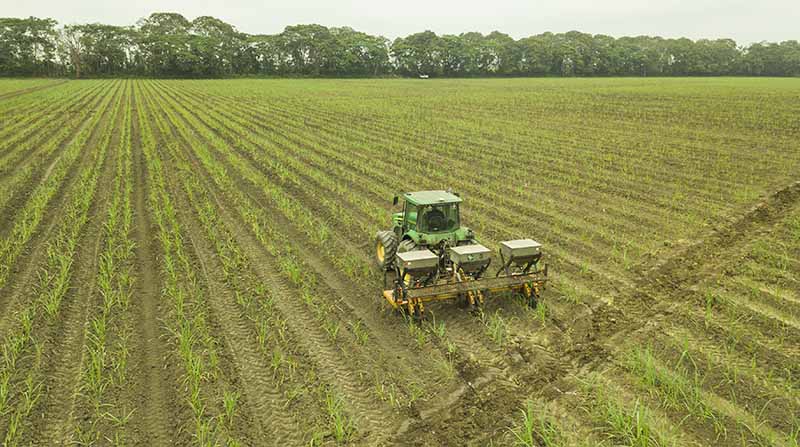
Ecuador's sugar industry has cut short its 2026 harvest and milling season after weeks of El Niño-driven rainfall on the country's coast, and plans to import sugar to keep the domestic market supplied, El Comercio reported.
The rains have left cane fields inaccessible to machinery and forced mills to stop grinding before the campaign was due to end. According to El Comercio, the sugar industry association said it would bring forward the close of the zafra — the technical term for the cane cutting and industrial processing season — and that the sector expects to turn to imports to guarantee supply and cover consumer demand.
Agroazúcar closes the season from 30 September
Agroazúcar Ecuador S.A. announced the early closure of the 2026 zafra effective Wednesday, 30 September, citing the damage caused by El Niño rains. In a statement addressed to its staff, seasonal workers, cane growers, hauliers, customers, suppliers and the communities of La Troncal and the surrounding area, the company said the decision was taken for safety reasons and in compliance with current legislation.
Agroazúcar acknowledged that the early closure ends employment for its seasonal workforce and will hit cane growers, transport operators, customers, suppliers and the regional economy. “We know what this means. We deeply regret the jobs that are ending for our seasonal staff, and the impact that cane growers, hauliers, customers, suppliers and the economy of our whole area will feel,” the company said.
Despite the early shutdown, Agroazúcar said it would continue to meet its commitments and keep its sugar on the domestic market. “But this is a pause, not an end. Today we remain standing, honouring every one of our commitments and working so that the domestic market does not run short of our sugar,” it said. The company signalled an intention to resume operations later but did not set a date.
San Carlos produces less than half its target
Intense rain in Marcelino Maridueña, Naranjito and neighbouring cantons led Ingenio San Carlos to halt its zafra and end milling. The company said constant downpours made it difficult to move machinery into the fields, with some stations recording up to four inches of rain — roughly 100 millimetres — in a single night.
As a result, the mill produced less than half of what it had planned for the current zafra and left approximately 20,000 hectares of cane unharvested, across both its own plantations and those of independent growers. “This is a problem of a national character that has been getting worse over the last two weeks… which is why the difficult decision has been taken to stop the zafra,” a San Carlos spokesperson told a press conference.
The mill decided that contracts for its temporary workers would conclude this week. “I want you to understand the serious situation this represents for Ingenio San Carlos, not having even half the sugar we need to supply the national market,” the spokesperson said.
Imports, the power grid and mill economics
With output down sharply, Ingenio San Carlos said the sugar industry will have to resort to imports to guarantee national supply, even though this carries an economic risk. “The company is losing money, the situation is truly delicate,” the representative stressed.
The disruption reaches beyond sugar itself. San Carlos will also stop delivering around 40 megawatts a day to the National Interconnected System, the electricity it supplies to the grid while the mill is grinding, removing that volume at the same time as the harvest ends.
Neither the volume nor the timing of the planned imports has been disclosed, and no restart date has been set for the mills that have shut. For processors, bottlers and food manufacturers buying sugar in Ecuador, the key variable is how much of the unharvested cane can still be milled if field conditions allow a partial restart later in the year.