Thirty East Java Coffee Businesses Explore Dutch Export Partnership for 2027
Thirty East Java coffee businesses are exploring cooperation with Batavia Roast to gain access to the Dutch market. The initiative is intended to establish coffee exports from the Indonesian province to the Netherlands starting in 2027.
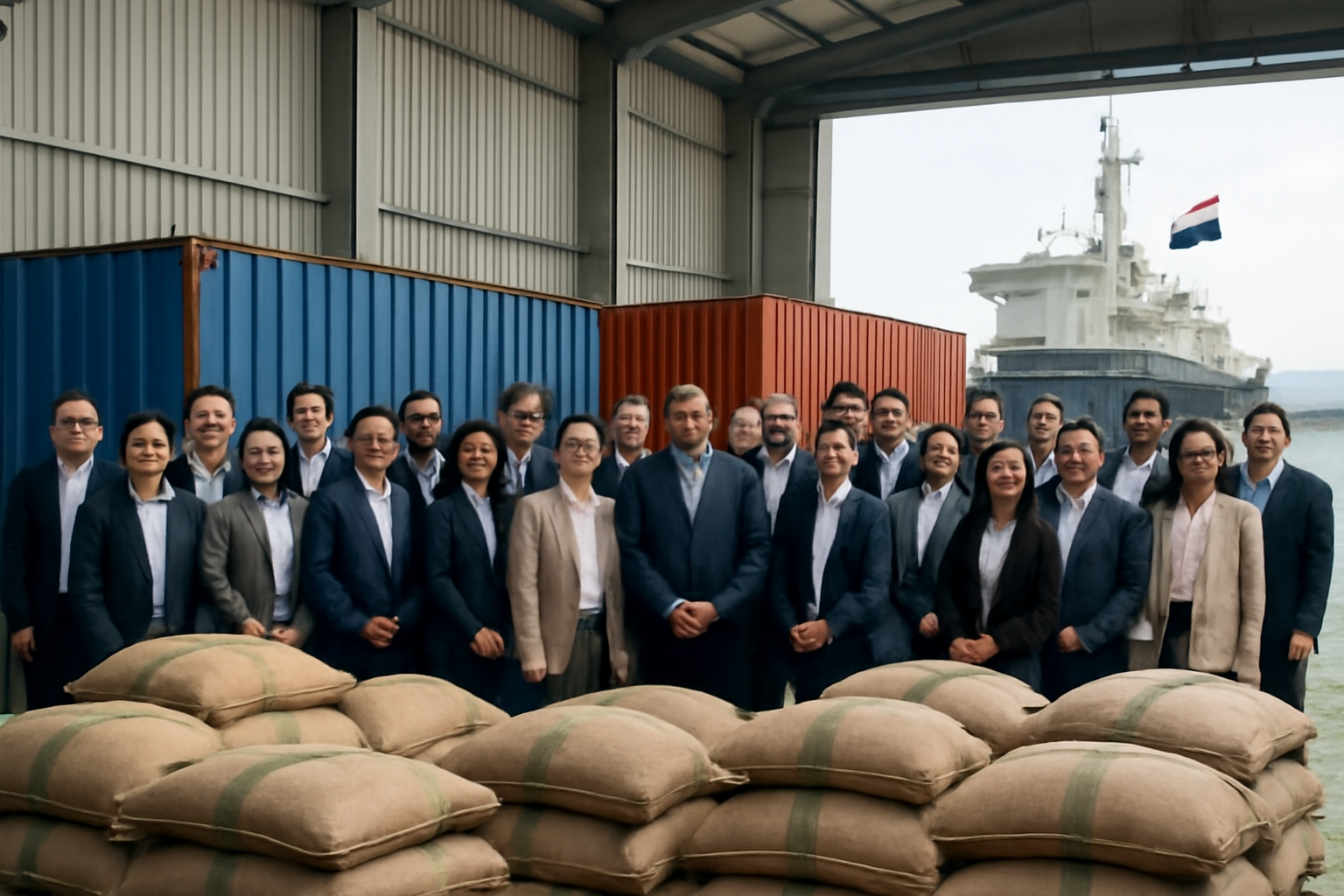
Thirty businesses enter export discussions
Thirty coffee businesses in East Java are exploring cooperation with Batavia Roast as they seek access to the Dutch market. Surabaya-based Tribunnews reported that the proposed partnership is intended to open a route for coffee exports from the Indonesian province to the Netherlands beginning in 2027.
The initiative remains at an exploratory stage. The available information does not identify the participating businesses, the coffee varieties involved or the districts where the beans would be sourced. It also provides no target for shipment volume, export value or frequency. Those details will determine whether the project develops into a recurring commercial channel or remains a limited market-entry program.
The involvement of 30 businesses nevertheless gives the initiative a collective dimension. A group of that size could bring together producers, processors, roasters or trading companies with different levels of export readiness. Cooperation with a market partner could help them coordinate access to buyers, but the proposed commercial roles of Batavia Roast and the East Java participants have not been disclosed.
Preparations focus on a 2027 start
The planned start in 2027 gives the businesses time to prepare products and commercial arrangements for the Netherlands. Coffee exporters typically need consistency across batches, reliable processing and documentation that matches the buyer’s requirements. The source material does not say which quality, certification, traceability, packaging or logistics conditions will apply to this initiative, so no assessment can yet be made of the participants’ readiness.
The absence of disclosed volumes is particularly important for growers and processors. A small specialty program and a larger wholesale supply agreement require different procurement, processing and financing arrangements. Until the parties specify expected quantities and product formats, suppliers cannot reliably estimate how much coffee would need to be aggregated or how much capacity would be committed to the Dutch channel.
The timetable also suggests that the current discussions are about building access rather than announcing completed sales. No signed contract, buyer commitment, price formula or first-shipment date was reported. For participating companies, the period before 2027 will therefore be important for turning initial cooperation into orders with defined specifications and payment terms.
Dutch access could widen East Java’s buyer base
A functioning route to the Netherlands would give participating East Java businesses an additional foreign market for their coffee. Its commercial impact, however, will depend on the type of product sold, the number of businesses that ultimately take part and whether shipments continue after the initial launch. None of those points has yet been confirmed.
For Batavia Roast, cooperation with 30 businesses could create a broad pool of potential suppliers. For East Java companies, working through a partner may reduce some of the difficulty of identifying customers and understanding market requirements. It could also create competition within the group if several businesses offer similar products to the same buyers.
The next material milestones will be the selection of suppliers, agreement on product standards and confirmation of orders. Shipment volumes, values, pricing arrangements and logistics plans would allow producers, traders and investors to judge the scale of the opportunity. For now, the initiative represents a planned 2027 market opening rather than an established export flow.