Duty-Free Import Quotas Push Israeli Honey Prices Lower
Israeli honey prices fell this year after duty-free import quotas increased competition among retail chains. The results have intensified debate over whether a similar approach could reduce prices for milk, bread and other staples.
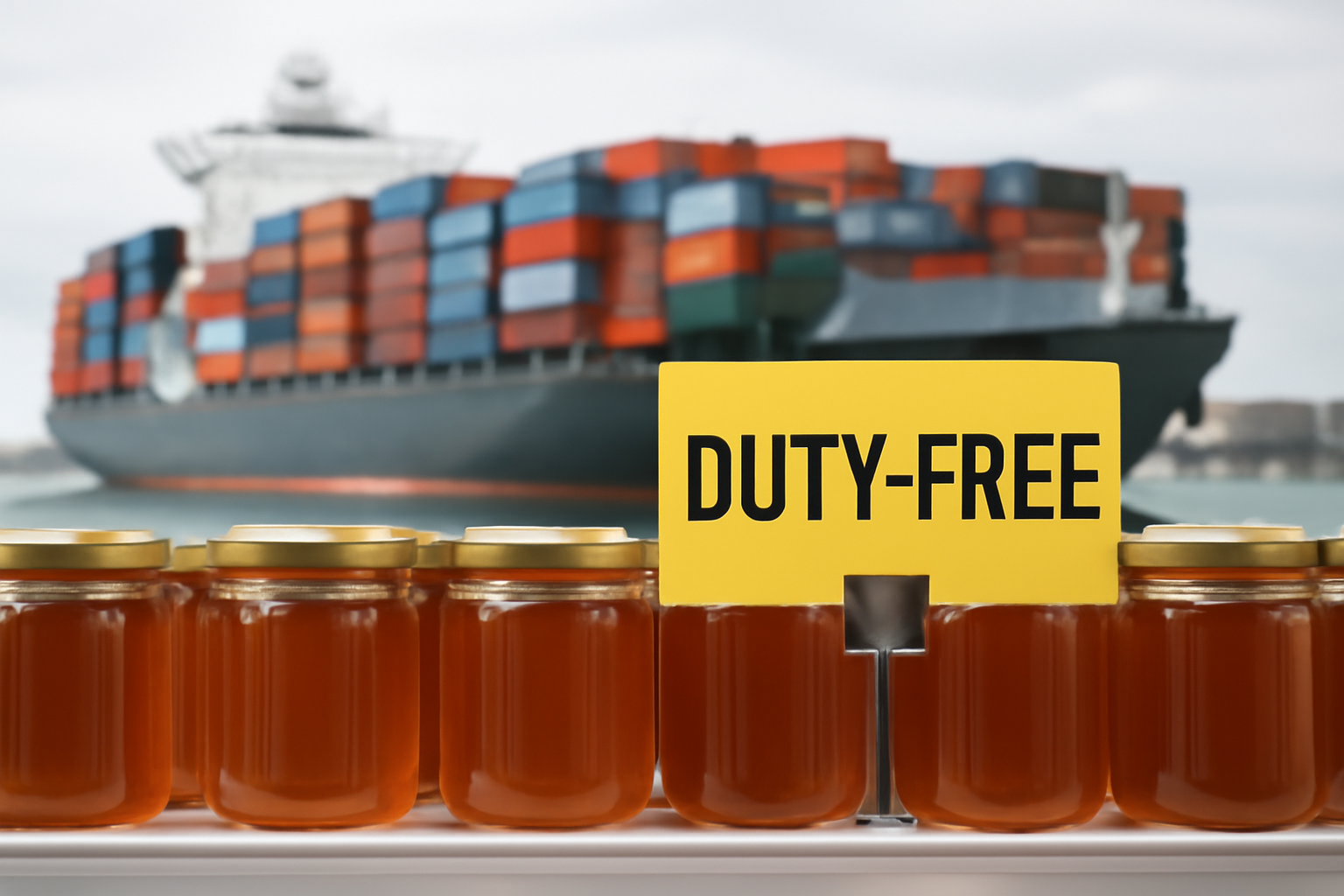
Import quotas reshape the honey market
Honey prices in Israel fell this year after tariff-free import quotas brought additional competition into the market, according to Maariv. Competition between retail chains amplified the effect, creating substantial differences between the prices available to consumers.
Maariv reported price gaps of as much as three and a half times across the market. Such a wide spread indicates that the final retail price depends not only on the cost of the product, but also on how import allocations are distributed and how aggressively individual chains compete for shoppers.
The quotas reduce or remove the customs cost normally attached to imported honey. Retailers able to obtain supplies under those terms can offer lower prices or use honey as a competitive product. Rival chains then face pressure to respond, allowing the benefit of cheaper imports to reach consumers through retail competition.
Pressure on producers and retailers
For domestic honey producers, lower-priced imports create a more difficult commercial environment. Local suppliers must compete with products entering without the normal tariff burden, while retailers gain another source of supply and greater leverage in purchasing negotiations. The impact on producers will depend on the scale and duration of the quotas, details that were not provided in the available source material.
Importers and retailers, meanwhile, have an incentive to secure access to tariff-free volumes. The reported variation in prices suggests that access alone does not guarantee a uniform consumer benefit: retail strategy and competition determine how much of the tariff saving is passed through at the shelf.
Debate expands to essential foods
The fall in honey prices has raised a broader policy question in Israel: why is the same model not being applied to milk, bread and other basic products? Supporters of wider tariff-free access can point to honey as evidence that import policy, when combined with competition among retailers, can reduce prices.
However, the available reporting does not establish that the model would produce identical results in every food category. Milk and bread have different production systems, supply chains and market participants. Any extension would therefore require decisions about quota size, eligibility, timing and safeguards for domestic production. The honey experience shows that tariff relief can affect retail prices, but it also shows that the distribution of import rights and the intensity of competition are central to the outcome.