Drought, heat and pests cut Piedmont IGP hazelnut output
Piedmont IGP hazelnut production fell from 3.834 million kilograms in 2020 to 1.543 million kilograms in 2024 as drought, heat and biological threats damaged orchards. Lower domestic supply is raising prices and increasing Italy’s reliance on imported nuts.
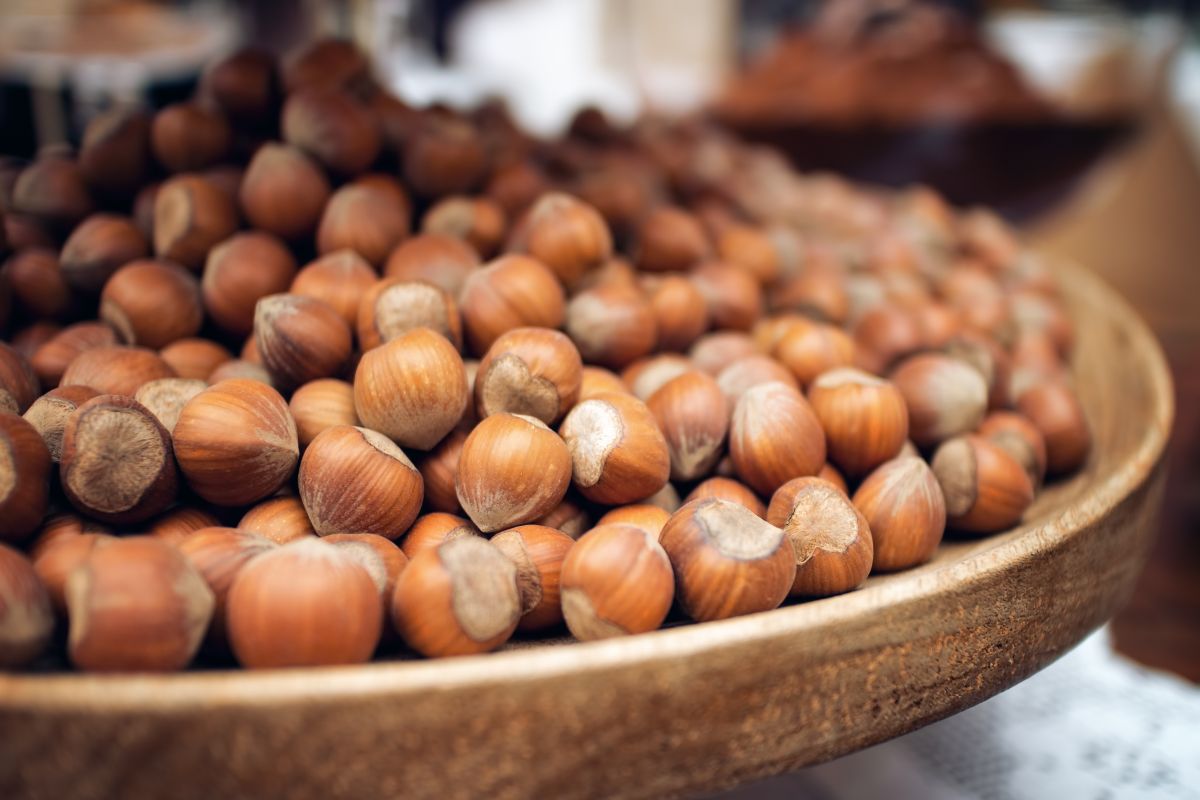
Piedmont’s protected crop loses output and revenue
Drought, high temperatures and emerging pests are reducing hazelnut production in Piedmont, threatening an agricultural sector closely linked to Italy’s confectionery industry. Fortune Italia reports that the Piedmont hazelnut market generates almost €80 million in annual revenue and involves 8,000 farms. The protected crop is produced from the Tonda Gentile Tribolata variety, mainly in the Langhe, Roero and Monferrato hills, and has held Protected Geographical Indication status since 2 December 1993.
Production data show a sharp deterioration. According to Ismea figures cited by Fortune Italia, output of Nocciola Piemonte IGP declined from 3.834 million kilograms in 2020 to 1.543 million kilograms in 2024. Revenue fell over the same period from €13.418 million to €6.387 million. The most severe change occurred between 2023 and 2024, when production dropped by 70% and revenue by 63%.
Premature nut fall, which was negligible under normal conditions, has become increasingly common before the September-October harvest. Average production losses associated with the problem now range from 40% to 50%. Mild winters, hot and dry summers, soil degradation, insects, pathogens and parasites are all placing additional pressure on orchards. Piedmont has 28,000 hectares planted with hazelnut trees, but many orchards are old and less able to withstand new climatic and biological threats.
Processors face tighter local supplies
The contraction matters beyond farms because 90% of Piedmont IGP hazelnuts are destined for processing. They are used in gianduiotti, spreads, cakes and ice cream, making continuity of supply important for manufacturers that market products around the variety’s origin and quality. Lower output has already contributed to higher prices and greater demand for imports, according to Fortune Italia.
The pressure is part of a wider imbalance in Italy’s nut market. Ismea-Istat data show that nut consumption increased by 7.5% over the past five years while national production declined by 2%. In 2025, consumers bought 89,000 tonnes of packaged nuts, spending more than €1.1 billion, 13% above 2024. Nuts account for 6% of Italian spending on fruit and vegetables, excluding processed products containing Piedmont hazelnuts.
Italy remains among the world’s ten largest nut-producing countries. Its annual output exceeds 280,000 tonnes, while cultivated area grew by 6% over five years to more than 200,000 hectares in 2024. Even so, domestic supply has not kept pace with demand. Ismea reports that Italy imported 130 million kilograms in 2024 to supplement domestic production of 121 million kilograms and serve apparent consumption of 220 million kilograms. The figures cover the broader nut sector rather than Piedmont hazelnuts alone, but they illustrate the sourcing challenge confronting processors and traders.
Regional funding targets orchard resilience
The Piedmont regional government has allocated €750,000 to the three-year Tonda Gentile Produttiva project, coordinated by the Agrion Foundation and the University of Turin’s Department of Agricultural Sciences. The work covers genetic improvement, pruning and irrigation technologies, pathogen control, soil management, pollination, recovery of ageing orchards and uses for pruning waste. Agrion’s recommendations to growers include diversifying pollinators, pruning frequently, increasing soil organic matter and avoiding unnecessary chemical treatments. These measures may help protect quality and stabilise yields, but orchard renewal and adaptation will be important if Piedmont is to preserve supply for its high-value processing sector while climatic and pest pressures intensify.