Drought and Heat Halve Sicily’s Grain Crop as Wine Sector Comes Under Pressure
Sicily’s grain crop has reportedly fallen by half as drought and extreme heat strain the island’s agricultural sector. Wine producers are also under pressure, raising concerns about regional supply and farm viability.
Grain harvest falls by half
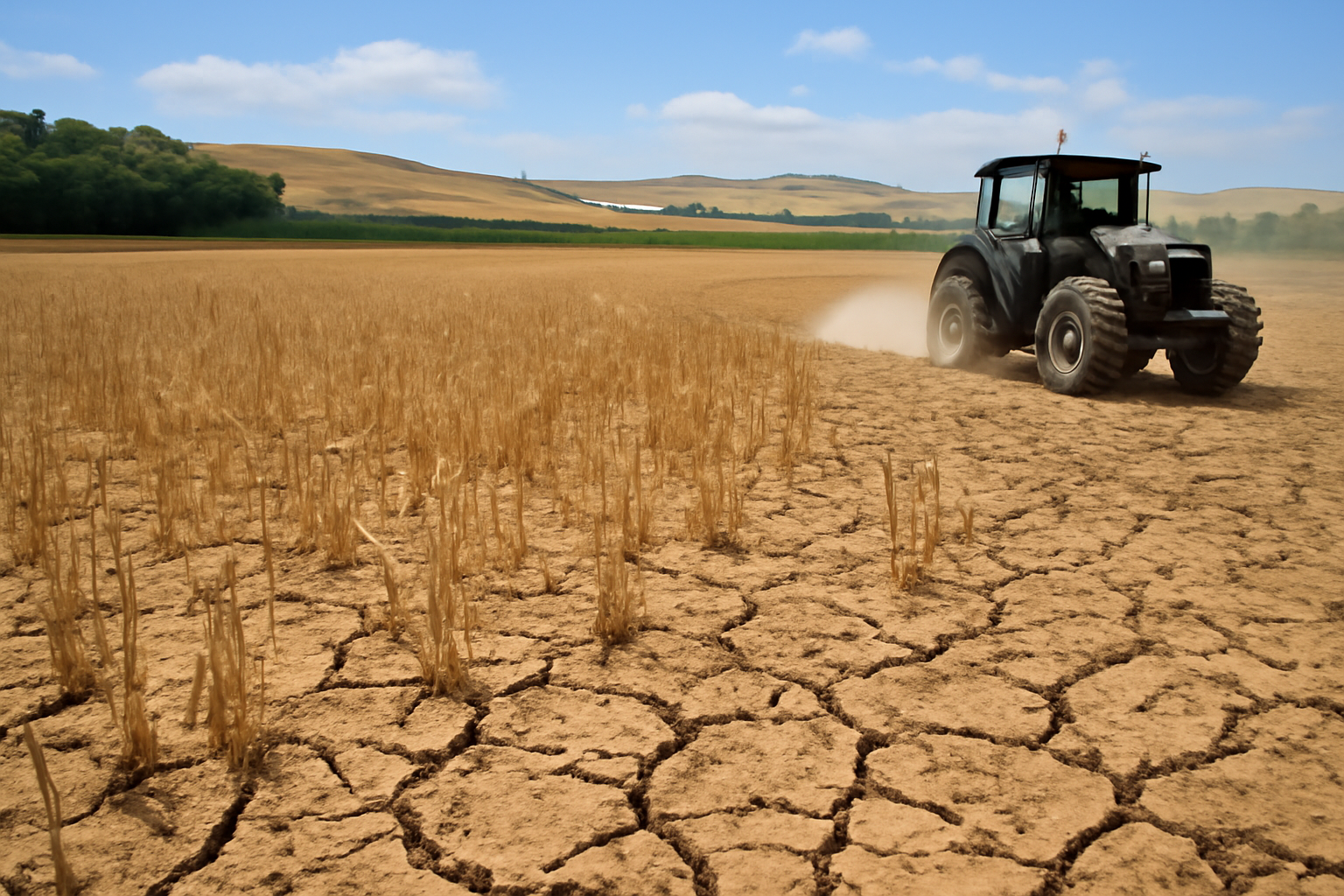
Sicily’s grain crop has reportedly been cut in half as drought and persistent heat damage agricultural production across the Italian island. The scale of the decline makes grain the clearest immediate measure of the crisis, although the available information does not specify output volumes, individual crops or comparisons with earlier seasons.
A 50% reduction would leave farmers with substantially less product to sell and reduce the amount available to local processors and merchants. For producers, the damage is not limited to physical yields: a smaller harvest spreads cultivation and machinery costs across fewer tonnes, putting additional pressure on margins.
The decline may also tighten regional availability. Millers, livestock operations and other grain users could need to source more material from elsewhere in Italy or from foreign suppliers if local stocks prove insufficient. The eventual effect on purchasing costs will depend on grain quality, inventories, contracts and wider market prices, none of which were detailed in the available report.
Wine sector faces mounting stress
Sicily’s wine industry is also described as struggling under the effects of drought and heat. No quantified estimate of vineyard losses or wine output was provided, so the impact cannot yet be compared directly with the reported halving of the grain crop.
Water shortages and high temperatures can affect vineyards differently according to location, grape variety, soil and access to irrigation. The commercial consequences will therefore vary among growers and wineries. Producers with weaker yields may have less fruit to process, while wineries purchasing grapes could face greater competition for suitable supplies.
For the wine market, volume is only part of the issue. Grape condition and harvest timing influence the mix of wines that wineries can produce and the prices they can obtain. Until crop assessments and winery intake figures become available, the main confirmed signal is that environmental stress is affecting both field crops and one of Sicily’s key higher-value agricultural industries.
Pressure spreads through regional supply chains
The simultaneous strain on grain and wine matters because the two sectors involve different parts of Sicily’s rural economy. Grain supports growers, storage operators, traders and processors, while viticulture connects farms with wineries, bottlers and commercial distributors. A weak season across both reduces cash generation for agricultural businesses and may make investment in the next production cycle more difficult.
The consequences will depend on how long dry and hot conditions persist and whether affected farms can maintain access to water and working capital. More detailed production estimates will be needed to assess supply gaps, price effects and the viability of individual producers. For now, the reported 50% grain loss provides a concrete indication of the severity of the pressure facing Sicilian agriculture, while the wine sector remains an important but still unquantified part of the damage.