Drought Cuts Quality and Delays Harvest of Serbia’s Record Plum Crop
Serbia is heading for an exceptionally large plum crop, but drought and high temperatures have slowed ripening and reduced fruit size and quality in some orchards. With farmgate prices at 20-25 dinars per kilogram, producers are directing more fruit toward rakija and considering drying as an alternative outlet.
Heavy crop meets difficult growing conditions
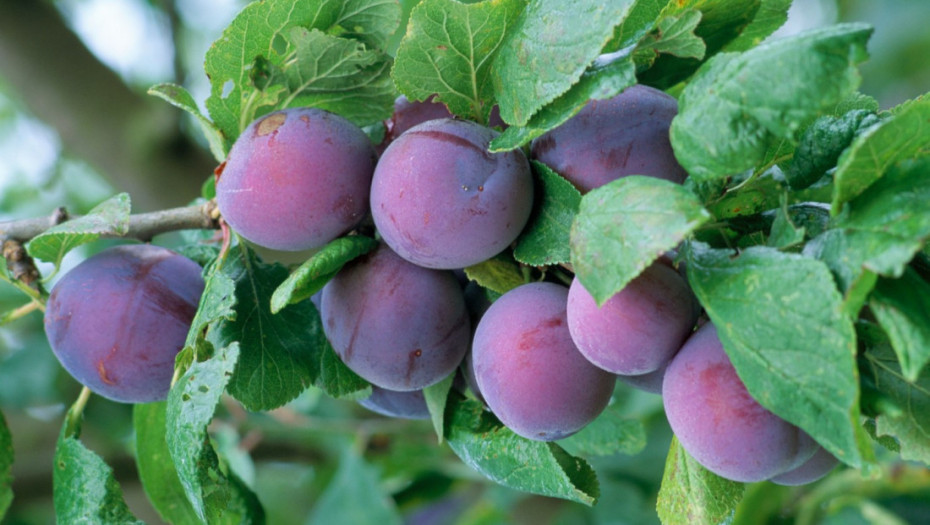
Serbia’s plum growers are harvesting an exceptionally large crop, but drought and high temperatures have weakened the commercial outlook by delaying ripening and reducing fruit quality. Experts expect a record year not only for plums but for Serbian fruit production more broadly, according to Euronews Serbia. Yet the volume on the trees is not translating automatically into marketable first-class fruit or stronger farm income.
Hot weather slowed the plants’ life cycle and caused the fruit to ripen considerably more slowly. Drought also shifted the start of the harvest and affected fruit size and quality in some plots. The impact is particularly important in the period immediately before picking, when a lack of moisture can reduce the share of plums meeting first-class standards and limit growers’ access to higher purchasing prices.
In the Čačak region, one of Serbia’s best-known fruit-growing areas, farmers are harvesting the Stanley and Čačanska rana varieties. Trees have carried fruit well, and yields in some orchards are above expectations. The uneven quality of the crop, however, means that a large harvest cannot be judged by volume alone.
Low prices challenge harvest economics
Grower Ljubomir Todorović told Euronews Serbia that buyers were paying between 20 and 25 dinars per kilogram of plums, while a worker’s daily wage was about 6,000 dinars. He said the purchasing price was insufficient even to cover picking costs, before orchard maintenance, spraying and pruning were taken into account. These economics may leave some fruit without a profitable fresh-market outlet despite the abundant crop.
The combination of high yields and weaker quality increases pressure on the processing sector. Around 80% of Serbia’s plum production is processed into rakija. Smaller volumes are dried, frozen or sold fresh. Producers unable to justify commercial harvesting for the fresh market may therefore send a larger share of the crop into spirits, provided processing remains economically viable.
Serbia has more than 50 million plum trees and, according to Euronews Serbia, the highest number of plum trees per capita in the world. That production base gives processors access to substantial raw material in a strong harvest year, but it also exposes growers to sharp price pressure when supply exceeds the capacity or willingness of buyers to absorb fresh fruit.
Drying offers an alternative outlet
Darko Jevremović, director of the Fruit Research Institute in Čačak, identified dried plums as one possible response, both for the current surplus and for future harvests. He argued that some producers could shift toward drying, while consumption of both fresh and dried plums should be promoted more actively. Drying can extend shelf life and reduce dependence on immediate purchases during the short harvest window, although the source provided no figures on existing drying capacity or investment needs.
The season highlights two separate risks for Serbia’s plum industry: climate pressure on fruit quality and weak pricing during high-output years. Specialists cited by Euronews Serbia said agricultural support should include measures that mitigate the effects of climate change. For growers, processors and buyers, the eventual value of the record crop will depend less on the number of plums harvested than on how much fruit reaches first-class quality and how effectively the remainder can be processed.