Diesel costs, not demand, lift Polish pork procurement prices — Polsus analyst
Polish slaughter-pig procurement prices rose 10 groszy to 6.20 zloty per kg in class E, but Bartosz Czarniak of the Polsus association attributes the move to high diesel prices making imported meat and live animals less competitive. He warns that Spanish export problems and swelling cold-store stocks point to a weak autumn across the EU internal market.
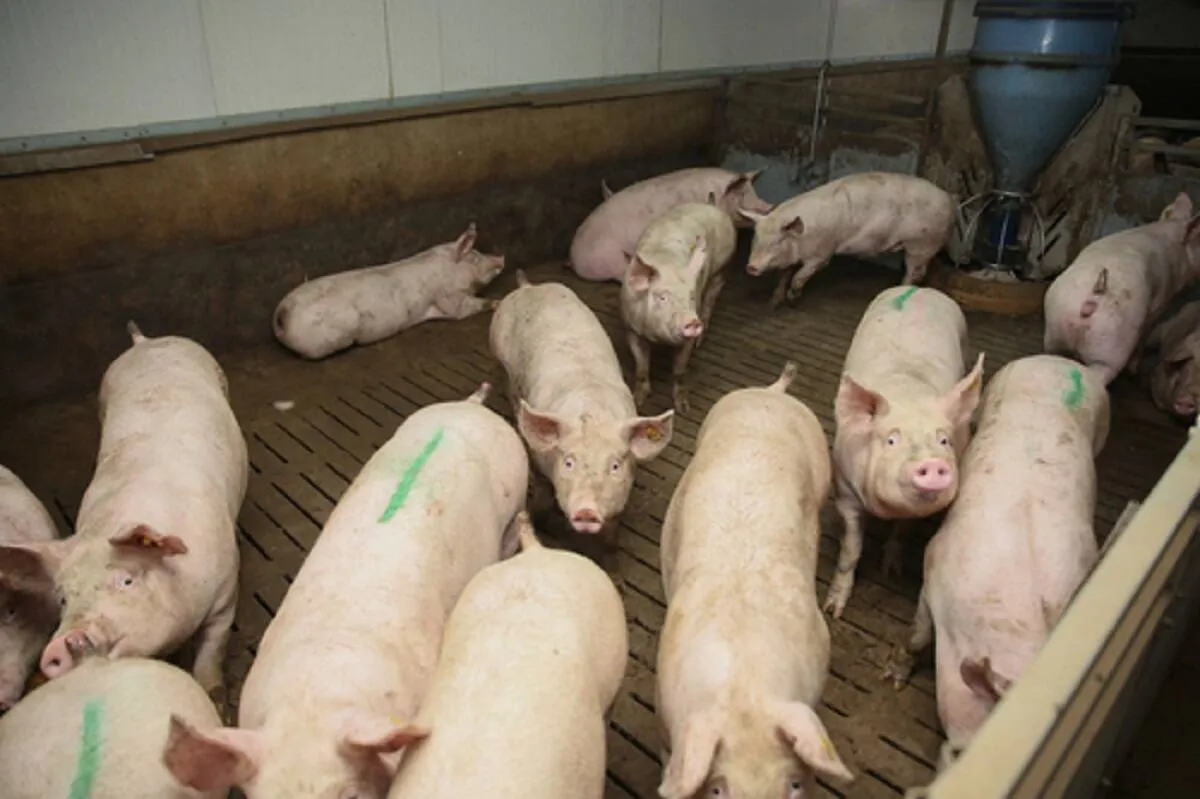
Procurement prices for slaughter pigs in Poland have risen by 10 groszy over the past week, but the move has nothing to do with stronger meat demand, according to Bartosz Czarniak of the Polish Association of Pig Breeders and Producers “Polsus”, whose market commentary was published by cenyrolnicze.pl. He attributes the increase to the price of diesel, which has made shipments of meat and live animals from outside Poland less profitable and pushed buyers toward domestic raw material.
German quotation flat, small exchange without trade
On the German slaughter-pig price session the quotation was left unchanged from the previous week at 1.45 euros per kg in class E, equivalent to roughly 6.33 zloty, Czarniak noted. A slightly higher level of 1.50 euros had been discussed informally, but was not adopted.
The analyst reads that stability as a ceiling rather than a floor. “Plants are not pushing hard for a reduction for now, even though the ISW sessions clearly signal that the VEZG price is the maximum they want to pay for slaughter pigs,” he said. He also pointed to the last two sessions of the small exchange, which ended with no trade at all — in his reading, a direct indication that the market is sufficiently saturated.
A 10-grosz move driven by fuel
In Poland, maximum prices oscillated around 6.10 zloty per kg in class E last week and have now reached 6.20 zloty. Czarniak traces the correction entirely to logistics. “The price rose slightly because the costs of transporting meat and live animals from outside Poland have clearly increased (diesel prices are really high), and this makes that trade less profitable, hence somewhat greater interest in domestic raw material,” he explained.
The Polish maximum therefore remains below the German reference of about 6.33 zloty. On Czarniak's reading, the narrowing of the gap reflects the cost of moving goods across borders rather than any improvement in the underlying balance of supply and demand for pigmeat.
Spanish surpluses point to a weak autumn
The most cautionary part of the analysis concerns the medium term. “In my view, autumn will be very weak price-wise, which stems above all from Spain's continuing problems with exporting pork to third markets,” Czarniak forecasts, citing reports of substantial warehouse surpluses on the Iberian Peninsula. If that product does not leave the continent, he argues, it will be placed on the EU internal market and destabilise prices in Poland and elsewhere.
Spanish exporters also have the balance-sheet capacity to price aggressively. “Exporters there can afford to sell even somewhat below the profitability threshold, because current exports to third markets will offset those losses,” Czarniak observed. He added that while Polish producers view such behaviour as controversial and close to dumping, in global trade it has become routine: the Spanish industry prefers to subsidise part of its sales rather than carry the cost of expensive storage.
Export reach outside the EU as the structural answer
Czarniak closes with what he describes as his key thesis for the Polish sector: “If we want to have a strong pig industry in Poland, we must have the best possible developed network for selling our goods outside the EU.” Without it, he argues, domestic producers will remain hostages to overproduction crises at the bloc's largest pigmeat powers, with Polish quotations moving in response to decisions taken in other member states rather than to conditions at home.
Full market analysis