DBG channels more than ¢2.5 billion into Ghana's maize, rice, cassava and poultry chains
Development Bank Ghana is concentrating its agricultural lending on maize, rice, cassava, sorghum and poultry, chief executive Prof Randolph Nsor-Ambala told myjoyonline.com. The bank has disbursed more than ¢2.5 billion since inception, with over half going to agribusiness, agriculture and manufacturing, and has reached almost 1,000 businesses.
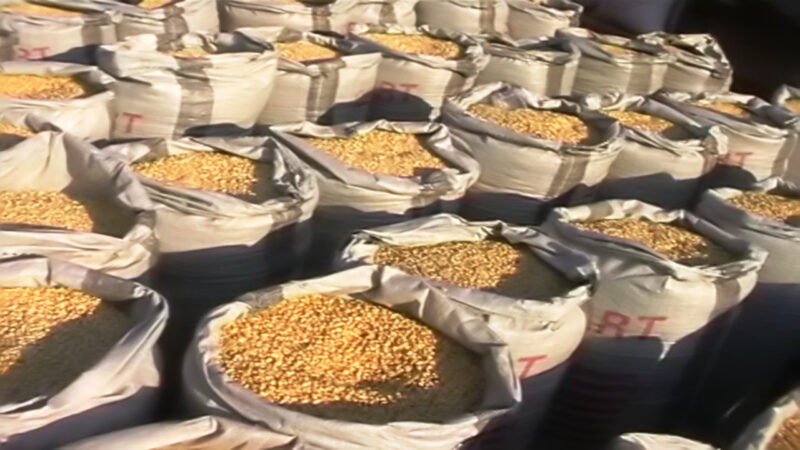
The Development Bank Ghana (DBG) is directing a large share of its financing into five agricultural value chains — maize, rice, cassava, sorghum and poultry — in a strategy that ties domestic food supply to the country's broader economic transformation. Chief Executive Officer Prof Randolph Nsor-Ambala set out the approach in comments reported by myjoyonline.com, saying those chains have accounted for a significant share of the bank's agricultural investments.
DBG's mandate spans four areas: agriculture, manufacturing, ICT and what Nsor-Ambala called “high-value services”, a category he defined as education, health, transportation and tourism. Within those areas the bank selects on evidence rather than preference, he said, concentrating on activities with large potential economic contribution that are nonetheless held back by market failures and limited access to capital.
“Our view, based on the evidence we have and the data and analytics that we have done, are that these are the sectors that will contribute massively, we call them growth pole areas, yet they've got market failures and binding constraints that require deliberate interventions,” he said, adding that such interventions “must be considered as a public good because they cannot necessarily be financed by private capital or money”.
Value chains rather than single borrowers
Nsor-Ambala said the agricultural strategy goes beyond funding individual businesses. The bank is instead trying to transform entire value chains in segments where financing can generate wider economic benefits, an approach that narrows the number of commodities it can realistically cover.
“Our interventions have been targeted because the value chains are many,” he said. “And considering that we are focused on sector transformations and full value chain transformations, we have necessarily focused on areas around maize, rice, cassava, sorghum, poultry.” Those areas, he added, have taken a chunk of the bank's investments because the analytics indicate they deliver on the objectives DBG has set itself.
Jobs first, then the inflation and currency link
Job creation is the leading reason for the agricultural exposure, according to the chief executive, who specified the type of employment involved: “decent jobs that deliver on upward social mobility and economic empowerment”. Agriculture and the processing that sits above it remain among the larger employers in Ghana's regions, which also aligns the lending with the bank's geographic spread.
Food security is the second consideration, and Nsor-Ambala framed it in macroeconomic terms rather than as a welfare objective. Stronger domestic supply, he said, “translates into lower economic pressures, i.e., inflation, exchange rate problems because of high levels of imports”. That places maize, rice and poultry — the chains most exposed to imported substitutes — at the intersection of agricultural policy and currency management.
Disbursement to date
DBG has disbursed more than ¢2.5 billion since its establishment. Nsor-Ambala gave the following breakdown of that total:
- over 60% to women-led and women-owned businesses;
- more than 50% to agribusiness, agriculture and manufacturing;
- about 40% to micro, small and medium-sized enterprises.
The bank has reached almost 1,000 businesses, with about half of them located outside Greater Accra, and now has a footprint in every region of the country except one. The MSME share and the concentration of borrowers beyond the capital indicate an average ticket size well below what a single large processing plant would require, which points to aggregation, storage and small-scale processing as the likely destination of much of the agricultural money.
Nsor-Ambala did not break down disbursements by individual value chain, nor did he give a target for future agricultural commitments or a timeline for the value-chain transformation the bank is pursuing.