Damage Reaches 22.5% of Southern Lebanon’s Farmland as Government Plans Farmer Support
Agricultural damage in southern Lebanon covers more than 56,000 hectares, equivalent to about 22.5% of the region’s farmland. The government is working on access permits, cash assistance and a $40 million World Bank project while seeking to expand agricultural exports.
More than 56,000 hectares affected
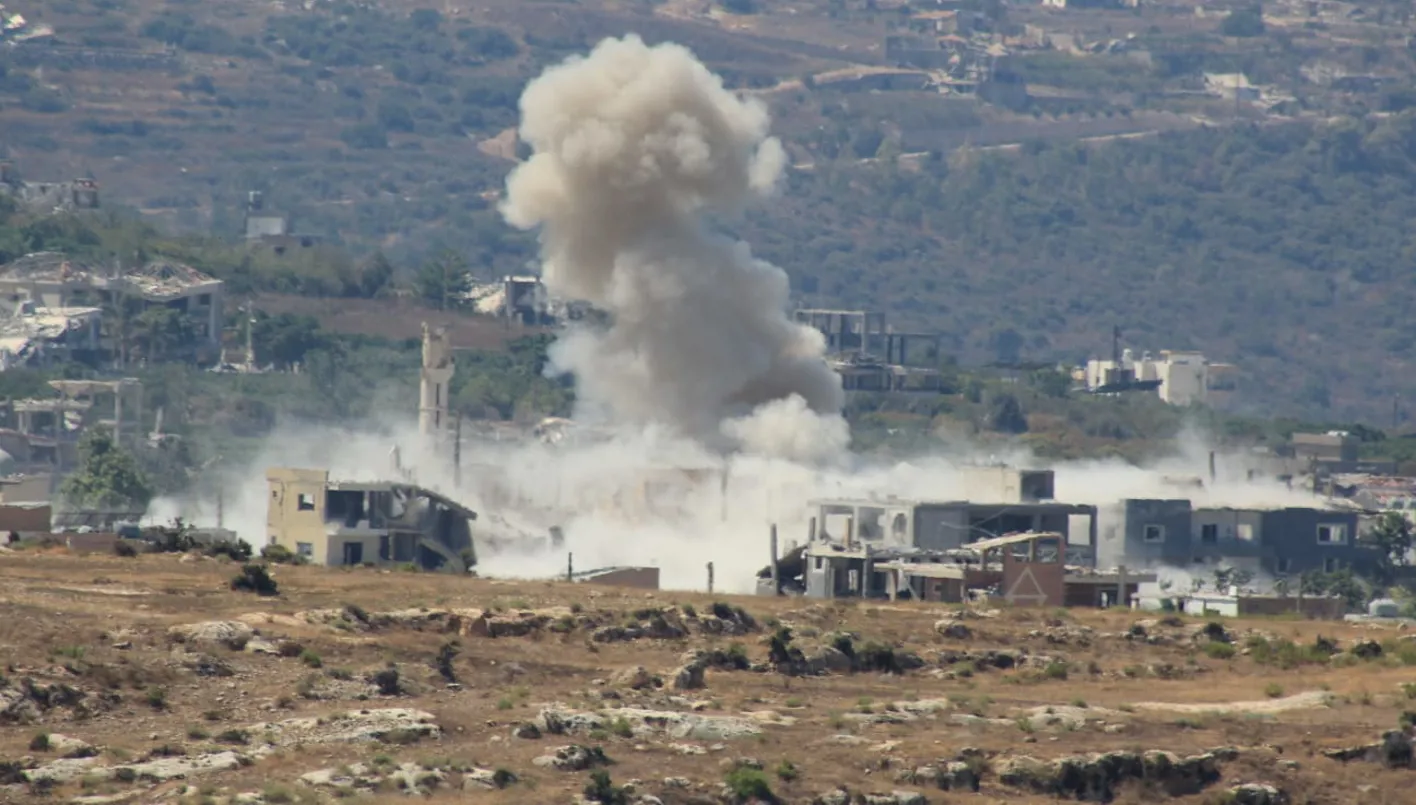
Damage to the agricultural sector in southern Lebanon has reached about 22.5% of the region’s total farmland, covering more than 56,000 hectares, Agriculture Minister Nizar Hani said. According to An-Nahar, Hani presented the assessment to President Joseph Aoun during a meeting at Baabda Palace focused on relief for farmers and the recovery of regional production.
The scale of the affected area creates risks for farm output, rural employment and household income. Agricultural land and facilities have suffered direct damage, while security conditions have prevented some farmers from reaching their fields and orchards. The impact comes on top of high production, transport and packaging costs already facing Lebanon’s agricultural sector.
Olive growers need access to their orchards
A central part of the government’s immediate response concerns access to olive groves. Hani said the authorities were working with the Lebanese Army to secure the permits farmers need to reach their land and harvest their crops. The measure is particularly important for growers who have been unable to enter their orchards because of security conditions and widespread damage in southern districts.
Delays in access can turn physical damage into additional commercial losses by leaving harvestable crops uncollected and interrupting farmers’ cash flow. The ministry is also seeking initial cash assistance of between $6 million and $7 million for affected farmers. The proposed support is intended to help producers resume operations, rehabilitate damaged land and protect future growing seasons, although the minister did not provide a timetable for distributing the funds.
Exports provide an outlet for a promising harvest
The government is simultaneously working to market Lebanese agricultural production, particularly apples and grapes, during what Hani described as a promising season. The ministry aims to facilitate sales in domestic and foreign markets so that farmers can move their crops and limit further losses. This effort is especially relevant when damaged farms and higher logistics expenses are putting pressure on producer margins.
Lebanon is currently exporting about 2,000 tonnes of agricultural products per day following the opening of the Saudi market and the availability of the overland route to Gulf countries, Hani said. The ministry wants to increase these volumes and reach additional foreign markets. Gulf access is important for absorbing seasonal production, but maintaining the route’s commercial value will depend on transport, packaging and production costs as well as reliable market access.
A $40 million recovery project
For the longer-term response, the Agriculture Ministry is developing a project with the World Bank valued at about $40 million. The initiative is intended to support the agricultural sector and help address losses in southern Lebanon. Together with the proposed initial cash assistance, it would combine short-term relief with the rehabilitation of farmland and productive capacity.
The policy challenge is broader than compensating farmers for visible damage. Producers need safe access to land, working infrastructure, financing for the next season and markets capable of absorbing their output. The measures discussed with President Aoun address each of these areas, but An-Nahar’s report does not specify an implementation schedule, eligibility rules or how the available funding would be allocated among affected farmers.