Dairy market firms as protein demand outpaces milkfat and China imports fall 30.2%
Global dairy prices held a firmer tone into September on strong milk protein demand, with SMP up 5.3% at GDT Event 411 while butter and AMF fell again. New Zealand posted a record July milk collection of 30.35 million kgMS and exports of 290,624 tonnes, but Chinese dairy imports were down 30.2% year on year in July.
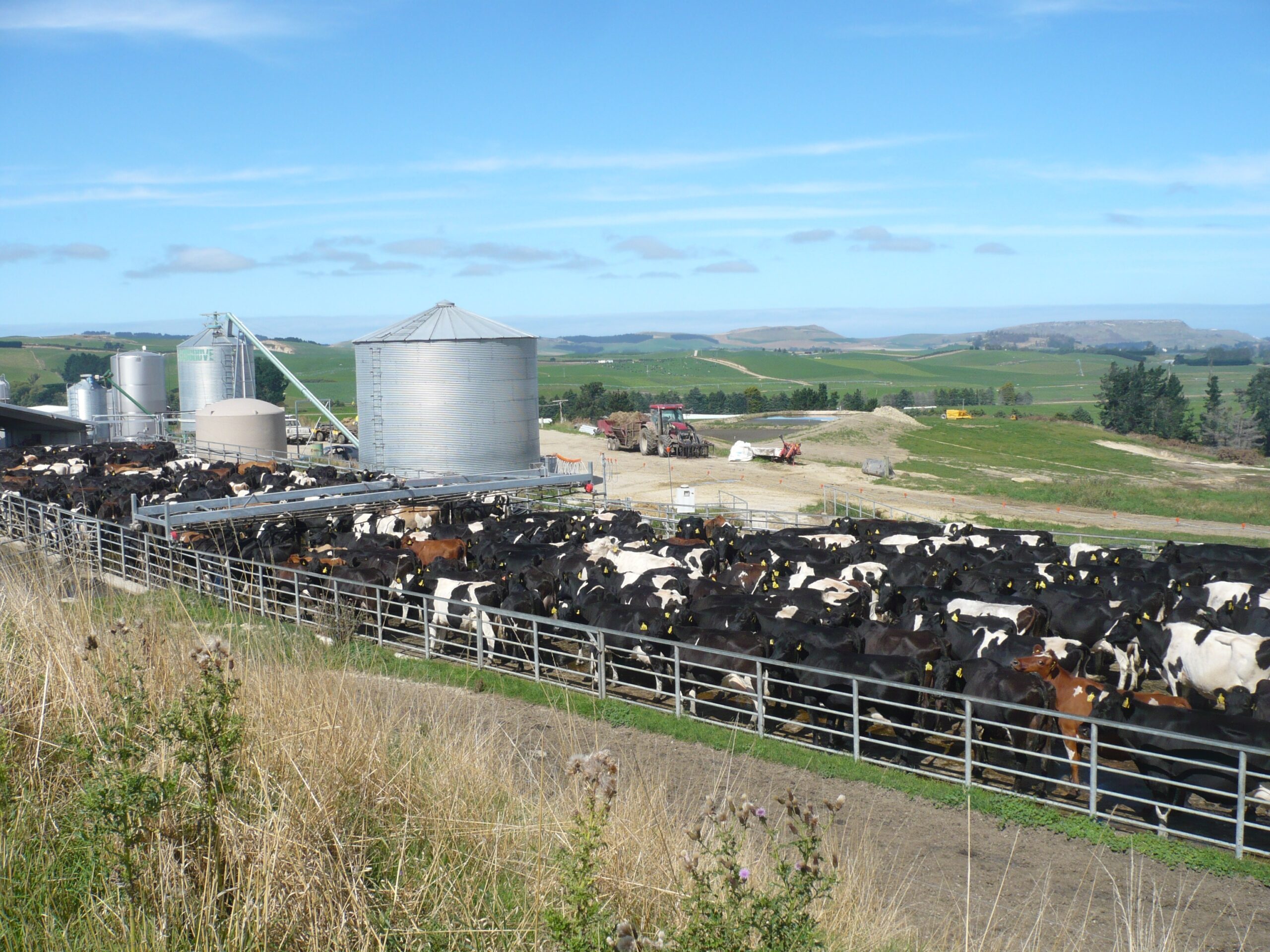
Global dairy markets have carried a firmer tone into September, with demand for milk proteins doing most of the work, according to market analysis published by New Zealand's Farmers Weekly. Written by Cristina Alvarado, who heads the Dairy Data and Insights team at NZX, the assessment describes a market pulling apart along product lines, with Chinese demand still the largest unresolved variable for exporters.
Protein pulls ahead of milkfat
GDT Event 411 on September 1 lifted the overall index 0.9%. Skim milk powder (SMP) rose 5.3% and buttermilk powder (BMP) gained 4.6%, while whole milk powder (WMP) was broadly stable and both butter and anhydrous milk fat (AMF) declined again. The result extended the divergence that ran through August, when demand for milk proteins was already considerably stronger than demand for milkfat.
The Pulse auction on September 8 pointed the same way. Regular WMP cleared at US$3575 a tonne and New Zealand medium-heat SMP reached US$3650 a tonne. The Arla SMP offering rose 6.6% against the previous Pulse event, while butter fell 3.1% and AMF eased 1.4%. For processors weighing stream returns, the pricing gap between powder and cream products has become the defining feature of the current market.
Supply divergence widens
New Zealand milk production has opened the season strongly. July collections reached a record 30.35 million kgMS, up 7.9% year on year, with season-to-date milksolids production 6.8% higher and milk tonnage up 5.8%. The NZX production predictor expects that pace to moderate, forecasting growth of 1.4% in August, 2.0% in September and 3.6% in October.
- Argentina: July production up 3.2%
- Uruguay: up 11.4%
- United States: up 2.2%
- European Union: up 2.0% in June
- China: down 2.9%
Heatwaves and dry conditions across parts of the northern hemisphere are raising concerns about milk availability and whether cows can hold output through the later part of the season. Farmers Weekly describes weather-related supply risk as an increasingly important market factor.
Trade holds up, China does not
New Zealand dairy export volumes rose 6.7% year on year in July to 290,624 tonnes, while export value increased 1.7% to US$1.34 billion. WMP exports were up 4% despite a 13% fall in shipments to China, with stronger demand from other Asian markets and Central America offsetting weaker Chinese buying.
China itself remains the central question on the demand side. Its dairy imports fell 30.2% year on year in July, and domestic milk production stayed under pressure, with July output down 2.9%. According to Farmers Weekly, the scale of the import decline means the Chinese market cannot yet be regarded as a source of additional demand, even with local supply contracting.
Outlook tied to weather
The analysis describes a market on a firmer footing without being uniformly bullish. Protein demand is providing support and northern hemisphere weather is creating potential supply constraints, but neither trend is settled. For New Zealand suppliers, the combination of a record start to the season and the possibility of El Nino makes the production outlook increasingly weather-dependent later in spring and summer.
If global milk supply tightens while demand for protein remains robust, dairy prices could find further support in the months ahead. The nearer-term risk for sellers sits on the milkfat side, where butter and AMF values have moved lower through consecutive auction events while powders have climbed.