Currency payment dispute halts mills and bakeries in Syria’s Hasakah
A dispute over payment for flour in Syria’s new currency has stopped mills and bakeries across Hasakah province, pushing the bread shortage into a fourth day. Limited access to the new notes has disrupted flour deliveries and raised the market price of thick flatbread to about 6,000 Syrian pounds per bundle in Al-Malikiyah.
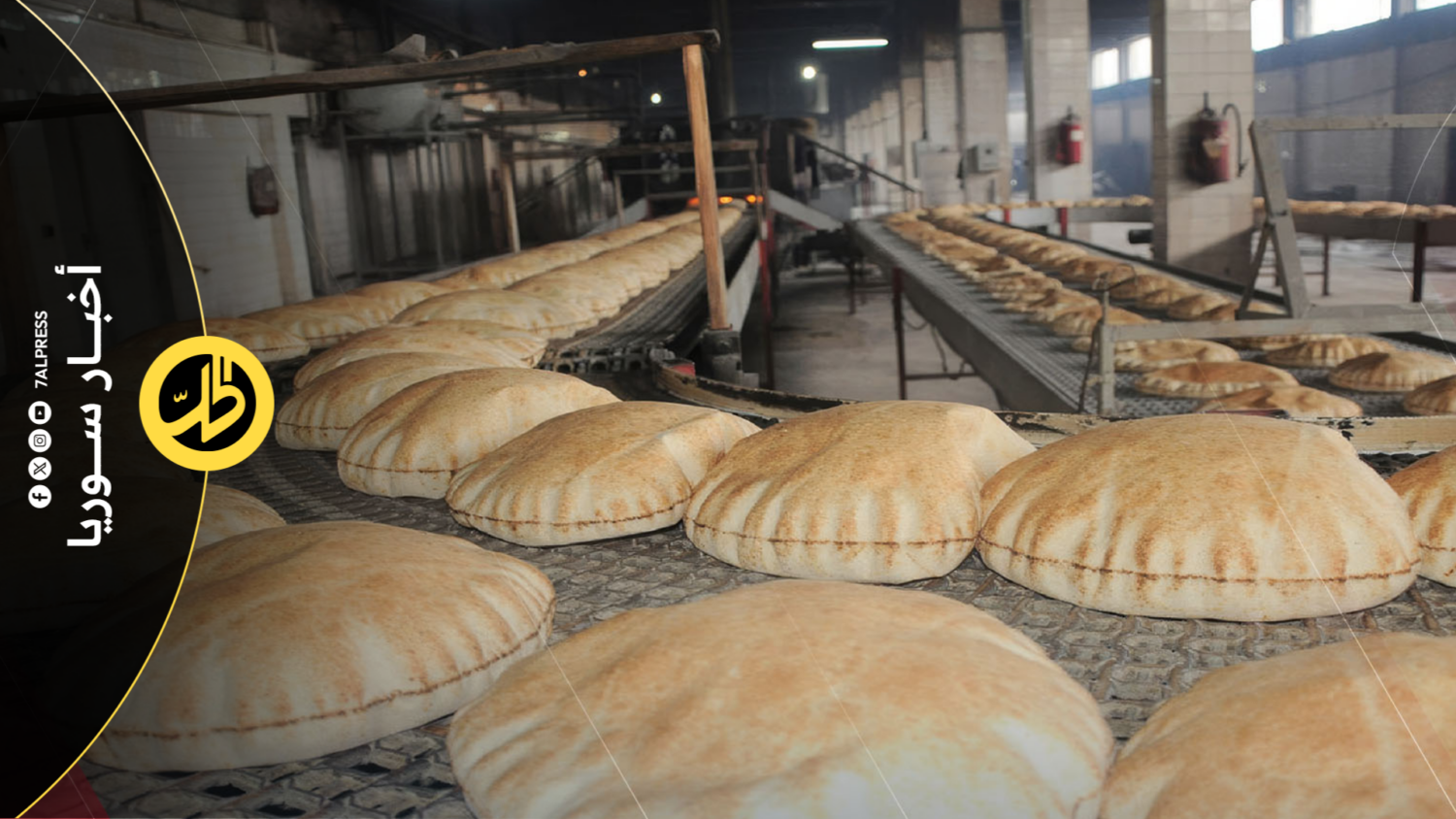
Flour payment dispute disrupts bread production
A shortage of Syria’s new currency and a dispute over how bakeries should pay for flour have halted a number of mills and bakeries in Hasakah province. The resulting bread shortage entered its fourth consecutive day, affecting cities and towns including Qamishli, Al-Malikiyah, also known as Derik, Hasakah city and surrounding rural areas.
According to 7al.net, the old Syrian currency remains more widely used in the province’s markets. Mills, however, have declined to sell flour for the old notes and are requesting payment in the new currency or through the Sham Cash system. Bakery operators say they do not hold enough of the new currency because its availability in Qamishli’s markets is limited.
The breakdown in payments has interrupted the movement of flour from mills to bakeries rather than the physical need for the commodity. Without an accepted means of settlement, bakeries have been unable to obtain their principal raw material and have suspended production.
Shortage reaches major population centres
The disruption has reduced bread availability across several parts of Hasakah and made it harder for residents to secure a basic food staple. The pressure is particularly acute in Al-Malikiyah, where the closure of the automated bakery has complicated bread supplies for tens of thousands of residents. The market price of a bundle of thick flatbread has risen to about 6,000 Syrian pounds, 7al.net reported.
Residents in Hasakah city and nearby rural areas are also facing lower available volumes and irregular distribution. In some places, consumers reportedly must register their names with bread distributors one day before collection. Other districts are seeing queues and longer waiting times.
The shortage is raising household costs by pushing consumers toward higher-priced bread sold in the market. Continued disruption would place further pressure on residents who depend on regularly supplied bakery bread and could widen the gap between official distribution and market availability.
New currency remains scarce
Ismail Darwish, head of the Bakers’ Union in Qamishli, told the local Hawar agency that bakery owners were not responsible for the stoppage. He said mills were refusing the old currency and that bakeries in Qamishli and its surrounding districts had closed because they could not obtain flour. Bakery owners had contacted the relevant authorities but remained unable to secure supplies.
Qamishli’s grain administration said the mills’ refusal to accept old Syrian pounds was based on a central bank decision requiring transactions in the new currency or through Sham Cash. The difficulty therefore lies in implementing the new payment rules while the required liquidity remains scarce in local markets.
Talks focus on restoring flour deliveries
Darwish said the same problem had occurred previously and was contained. Contacts are now under way among the relevant authorities, the Qamishli area administration and the Bakers’ Union, with promises of a solution within the next two days, according to 7al.net.
For mills and bakeries, a workable settlement mechanism is necessary before normal production can resume. Regular flour deliveries depend either on wider access to the new currency or on an alternative payment method that bakeries can use. Until one of those options is available, Hasakah’s bread supply will remain vulnerable to payment bottlenecks even where consumer demand and production capacity remain in place.