Croatia Set for Apple Self-Sufficiency as Polish and Austrian Crops Fall
Croatia is expected to produce around 60,000 tonnes of apples this season against domestic consumption of 55,000 to 60,000 tonnes, returning the country to a positive production balance. The shift coincides with the steepest European apple production decline in ten years, led by losses in Poland and Austria, the main suppliers of imported fruit to Croatian retail.
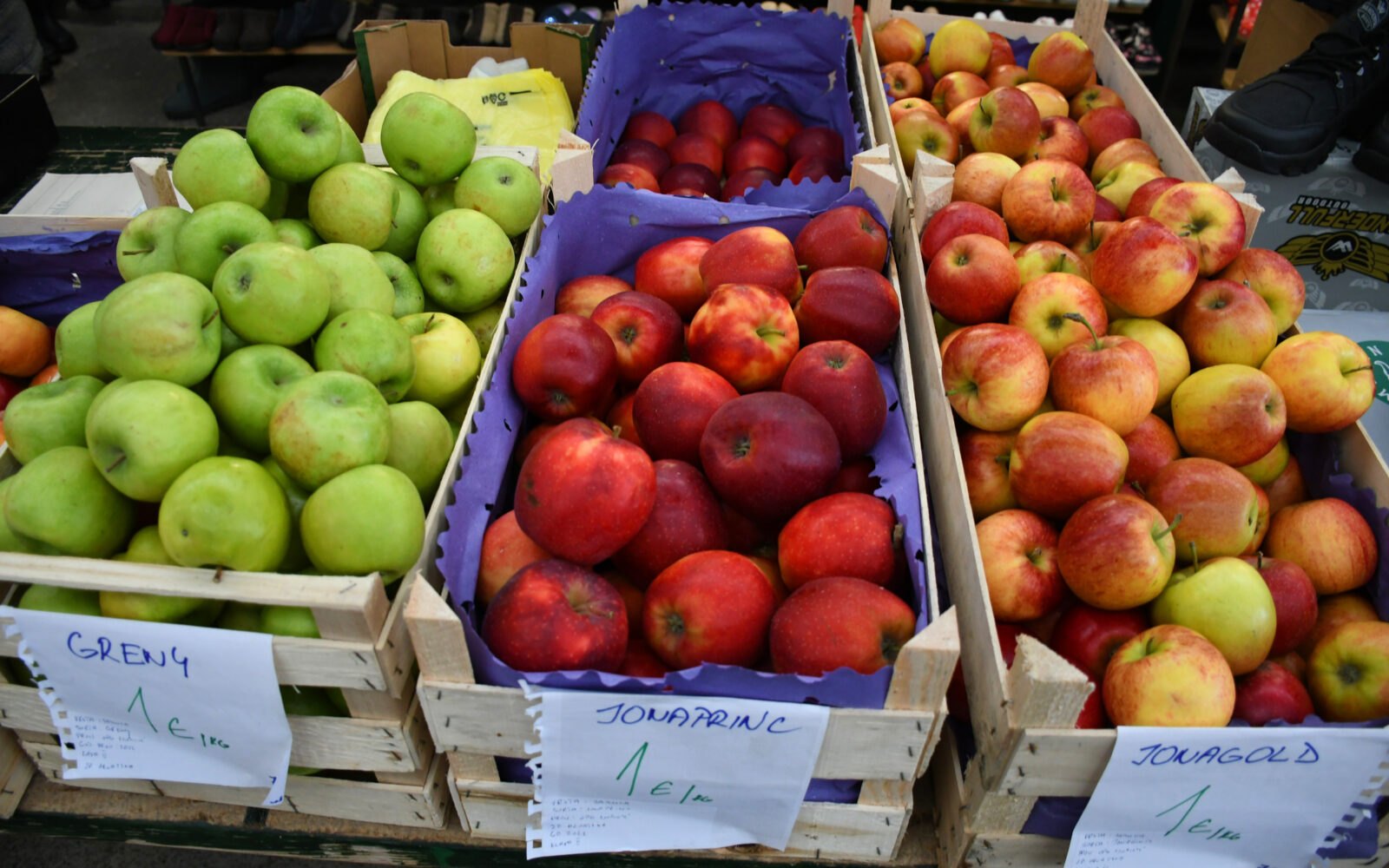
Croatia is on course to produce more apples than it consumes this season, returning the country to a positive production balance after several weak harvests, according to the Croatian Fruit Growers Association. The shift comes as European apple output records its steepest fall in ten years, with the deepest losses in Poland and Austria — traditionally the largest suppliers of imported fruit to the Croatian market.
Output moves past domestic demand
Stjepan Zorić, deputy president of the Croatian Fruit Growers Association, said the country will again reach a positive balance in apple production this year, at roughly 60,000 tonnes. Annual apple consumption in Croatia stands at 55,000 to 60,000 tonnes, meaning domestic orchards should cover national demand in full. The figures were reported by poslovni.hr, citing public broadcaster HRT.
- Expected Croatian apple output: around 60,000 tonnes
- Annual domestic consumption: 55,000 to 60,000 tonnes
- Expected yield against the three-year average: up six to seven per cent
Growers are reporting fuller trees after a run of difficult years. Luka Bilušković, a producer from Ilok, said yields are expected to come in six to seven per cent above the three-year average, though he cautioned that a long period remains before picking begins. Harvesting has already started earlier than usual in some regions, and fruit from his orchard is going to the logistics and distribution centre in Križ, where apples are already being packed in volume.
Heat and water stress are the main downside risk
The forecast carries a clear caveat. Wells are gradually drying up and growers are improvising to protect the crop from the sun, poslovni.hr reported. Bilušković said that if the weather stays hot and dry, yields could still come down.
Luka Cvitan, manager of PZ JabukaHR, the largest domestic producer organisation, said the sector's main fear is extreme temperatures with no end in sight, and a repeat of 2024, when a large share of the fruit ended up on the ground. Growers expect the worst case to be avoided, leaving Croatia on the edge of self-sufficiency and a recovery in domestic apple production.
Import competition weakens
The competitive picture on the Croatian market is being reshaped from outside. Zorić said the largest production declines are recorded by growers in Poland and Austria, the two countries that have traditionally been the strongest competitors to Croatian fruit on domestic shelves.
With supply from those origins reduced and local volumes recovering at the same time, retailers are expected to stock a higher share of Croatian apples and a lower share of imported fruit this season. For importers, the season implies tighter availability from the two main sourcing markets; for Croatian producers, it opens shelf space that has been difficult to secure in previous years.
Smaller growers move into processing
Not every producer is positioned to benefit from wholesale trade. In Sveti Martin na Muri, the family farm of Tatjana Hažić produces around 150 tonnes of apples a year. A smaller share of table apples is sold directly at the farm, but the business shifted its focus to processing in 2015.
The farm makes natural juices without added sugar, apple purée, smoothies and apple-based fruit spreads. Hažić said producing apples for wholesale is not viable on the farm's four hectares, which is why it moved to direct sales and processing. She expects this year's volume to be similar to last year's, with no frost damage recorded so far.