Cretan table-grape growers lose ground as prices fall and Mediterranean competition intensifies
Table-grape prices in Crete have fallen sharply as weather damage, high production costs and competition from Turkey, Spain and Italy weigh on the market. Growers and traders warn that further vineyard abandonment is likely unless sales conditions and public support improve.
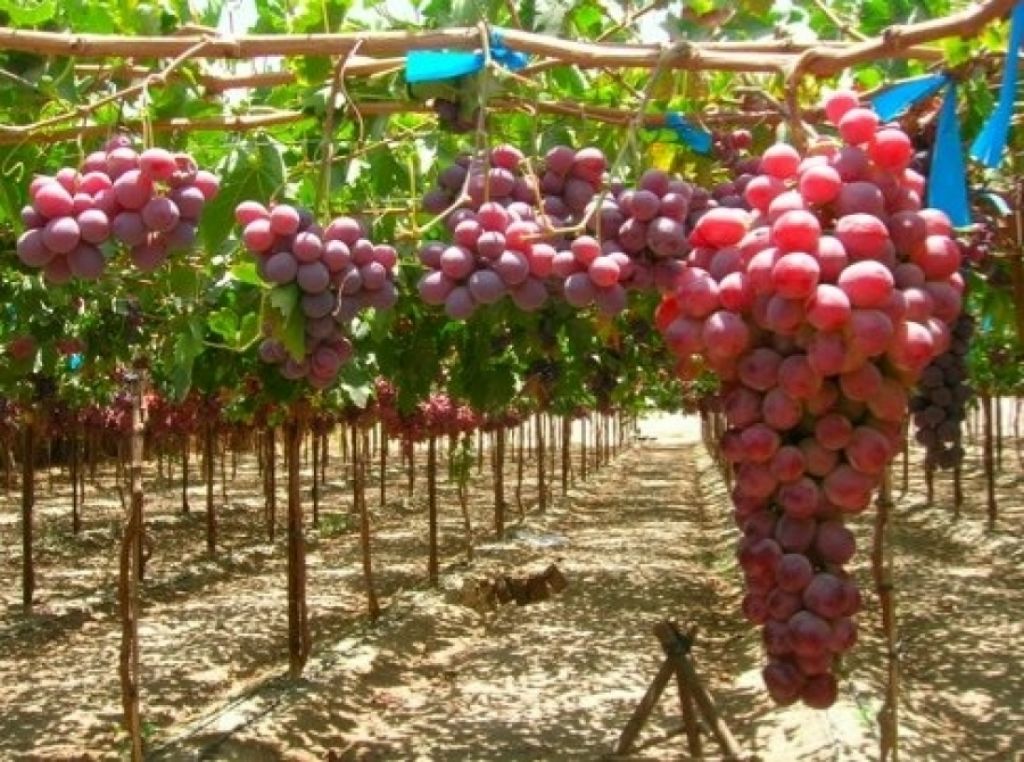
Producer prices retreat after an optimistic start
Crete’s table-grape season has deteriorated rapidly after initially encouraging sales of early varieties. According to Foni Maleviziou, Starlight and Prime grapes opened at €1.20-€1.50 per kilogram. Thompson started at €0.90-€1.10 per kilogram but fell to €0.55-€0.80 within seven to ten days. Premium red varieties including Mountain and Autumn Royal were priced at €0.80-€0.90 per kilogram, while undamaged white grapes sold for only €0.50-€0.70.
Growers say these prices do not cover cultivation and harvesting expenses. Labor costs have risen, and producers must also pay for mandatory bus transport for workers and other charges. Giorgos Fasoulakis, who grows and markets table grapes from 35 stremmas of vineyards in Kalesa, told Foni Maleviziou that production had become unprofitable and that he was seriously considering leaving the crop.
Weather damage reduces both fresh sales and raisin output
Two successive hailstorms and prolonged winds of 5-9 on the Beaufort scale caused extensive vineyard damage, including in Profitis Ilias, one of Heraklion’s major grape-growing zones. Grapes that could no longer be sold for fresh consumption were diverted to raisin drying, but widespread rot destroyed much of that fruit within days. Raisin production is consequently estimated at only 240 tonnes this season, compared with 600-700 tonnes in earlier periods.
Conditions varied within the production area. Agronomist Nikos Vardalachakis said growers in Malevizi harvested 70%-80% of their crop before prices fully collapsed because the district ripens earlier than other areas. He also identified the sector’s dependence on undifferentiated white grapes, without a strong identity or varietal distinction, as a long-term commercial weakness. Trader Nikos Giannidakis said the industry had also lost time in adopting technology and was now outside the market.
Turkey, Spain and Italy squeeze Crete’s market position
Supplies from Turkey, Spain and Italy have increased competitive pressure in European markets. Foni Maleviziou reported daily labor costs of €15-€16 in Turkey, compared with €70-€80 in Greece. Local industry representatives also point to the absence of EU protective tariffs on products from third countries. Agricultural subsidies for tree crops have reportedly fallen by about 80%, from €340 to €40 per stremma.
Trader Lambros Pervolarakis said shipments beyond Crete to the rest of Greece were almost zero, leaving the sector dependent on local consumption and sales at declining prices. Export activity also stalled after the opening prices, according to Michalis Kampitakis, vice-president of Greece’s Association of Agricultural Cooperative Organizations and himself a table-grape producer. Fruit that survived the weather was either left in vineyards or sold at very low prices.
Administrative problems add to pressure on growers
Traders have criticized the handling of Greece’s Transport Equivalent support mechanism. Although the stated application deadline was August 31, applicants attempting to submit documents from August 25 found that the electronic system had already closed because the available funds had been exhausted.
The contraction extends beyond the current season. Heraklion lawmaker Eleni Vatsina said about 70% of the prefecture’s vineyards had disappeared compared with the past. She raised the situation with the minister of rural development and food, citing damage in Profitis Ilias, Temenos, Kyparissi and Dafnes. Producers with alternative options are likely to abandon table grapes, industry representatives warned, further reducing Crete’s production base.