Cordiant Says It Produced 30% of Russia’s Passenger Tires in First Half
Cordiant says it led Russian passenger-tire production in the first half of the year with a 30% share. The holding company’s total capacity exceeds 14 million tires annually.
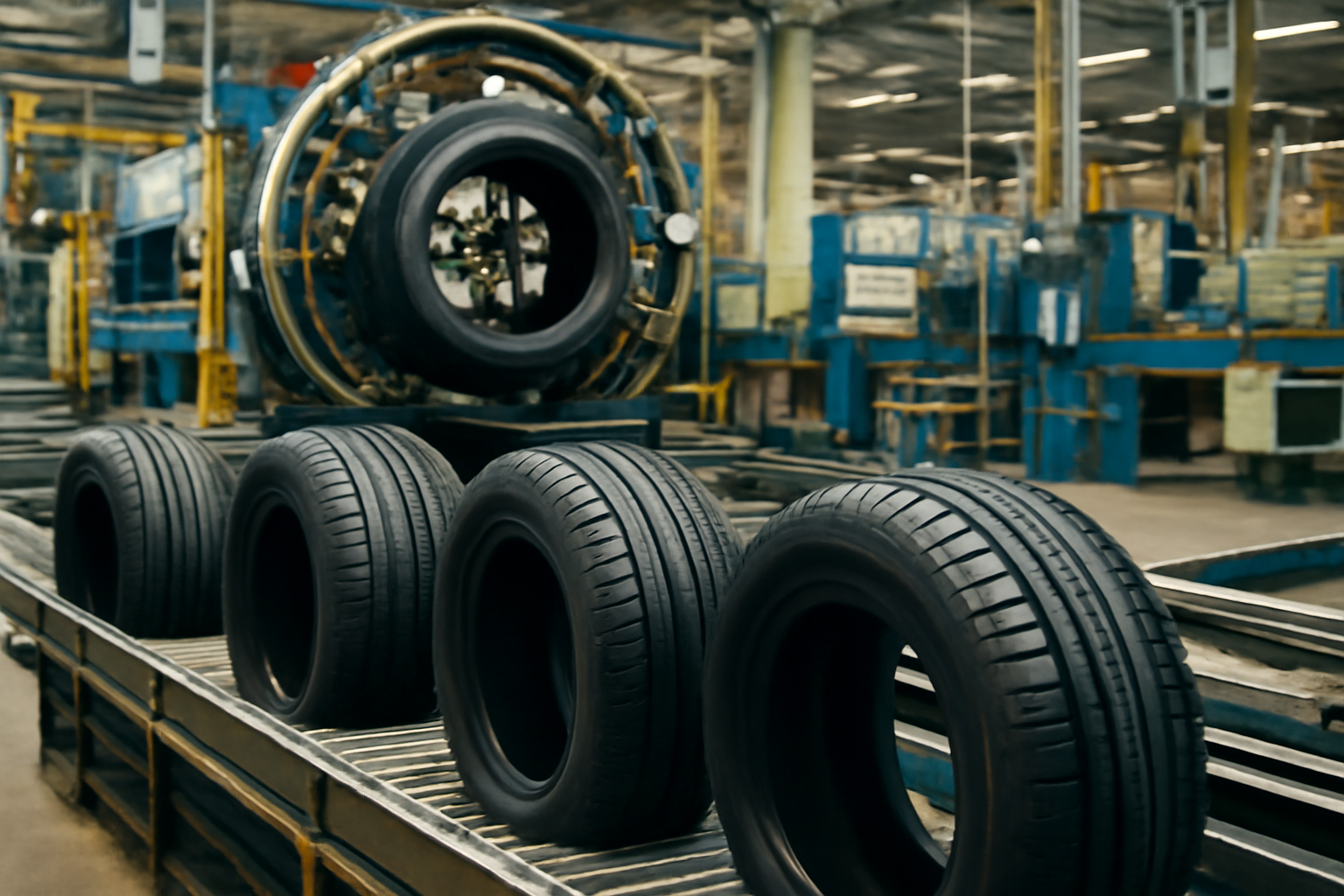
Cordiant reports first-half production lead
Cordiant became Russia’s largest producer of passenger-car tires in the first half of the year, according to Izvestia. The holding company said it accounted for 30% of passenger-tire production in the Russian market during the period.
The reported figure concerns production rather than retail sales, shipments or installed capacity. It nevertheless indicates that almost one in every three passenger tires manufactured in Russia during the first half came from Cordiant. The company did not provide an output figure in units in the material supplied, so its 30% share cannot be converted into a precise production volume.
Capacity exceeds 14 million tires a year
Cordiant’s combined manufacturing capacity exceeds 14 million tires annually. That number covers the holding company’s overall tire capacity, while the first-half 30% figure specifically refers to passenger-tire production. The available information does not disclose how much of the 14 million-plus capacity is assigned to passenger tires or how fully the company’s plants were utilized.
The distinction matters for producers, distributors and investors. Capacity describes the volume that factories can potentially manufacture, while actual output depends on plant utilization, product mix and demand. Cordiant’s production share shows its position in the first half, but it does not by itself establish the company’s share of Russian tire sales or consumption.
Implications for Russia’s tire supply chain
A 30% production share gives Cordiant substantial weight in Russia’s domestic passenger-tire supply chain. Changes in its production schedules can affect the volumes available to wholesalers, automotive retailers and service networks. Its capacity base also gives the company room to serve different segments, although the source material does not specify brands, tire sizes, plant locations or planned capacity changes.
For competing manufacturers, the figure establishes a clear first-half benchmark: all other producers together supplied 70% of Russia’s passenger-tire output. The data provided do not divide that remainder among individual companies and do not show whether Cordiant gained share from domestic competitors, increased its own output or benefited from lower production elsewhere.
The announcement also leaves several market indicators unresolved. No figures were supplied for imports, exports, wholesale or retail prices, inventories, vehicle production or replacement-tire demand. As a result, the production ranking should not be treated as evidence of comparable leadership in sales, revenue or profitability.
Market position requires further data
Cordiant’s statement provides two concrete measures of scale: a 30% share of first-half passenger-tire production and total annual capacity above 14 million tires. Together, they identify the holding company as a major manufacturing participant in Russia’s tire industry.
Further assessment will depend on full-year output, plant utilization and segment-level sales. Data on imports and exports would also be needed to determine how domestic production translates into the tires available on the Russian market. For now, Cordiant’s claim is a production leadership indicator rather than a complete measure of its commercial position.