Container shortage delays Indian rice exports as cargo clearance reaches 35–40 days
Indian rice exporters are facing a container shortage that has extended cargo clearance to 35–40 days. The disruption matters beyond India because the country holds a dominant position in global rice trade.
Container scarcity slows export cargo
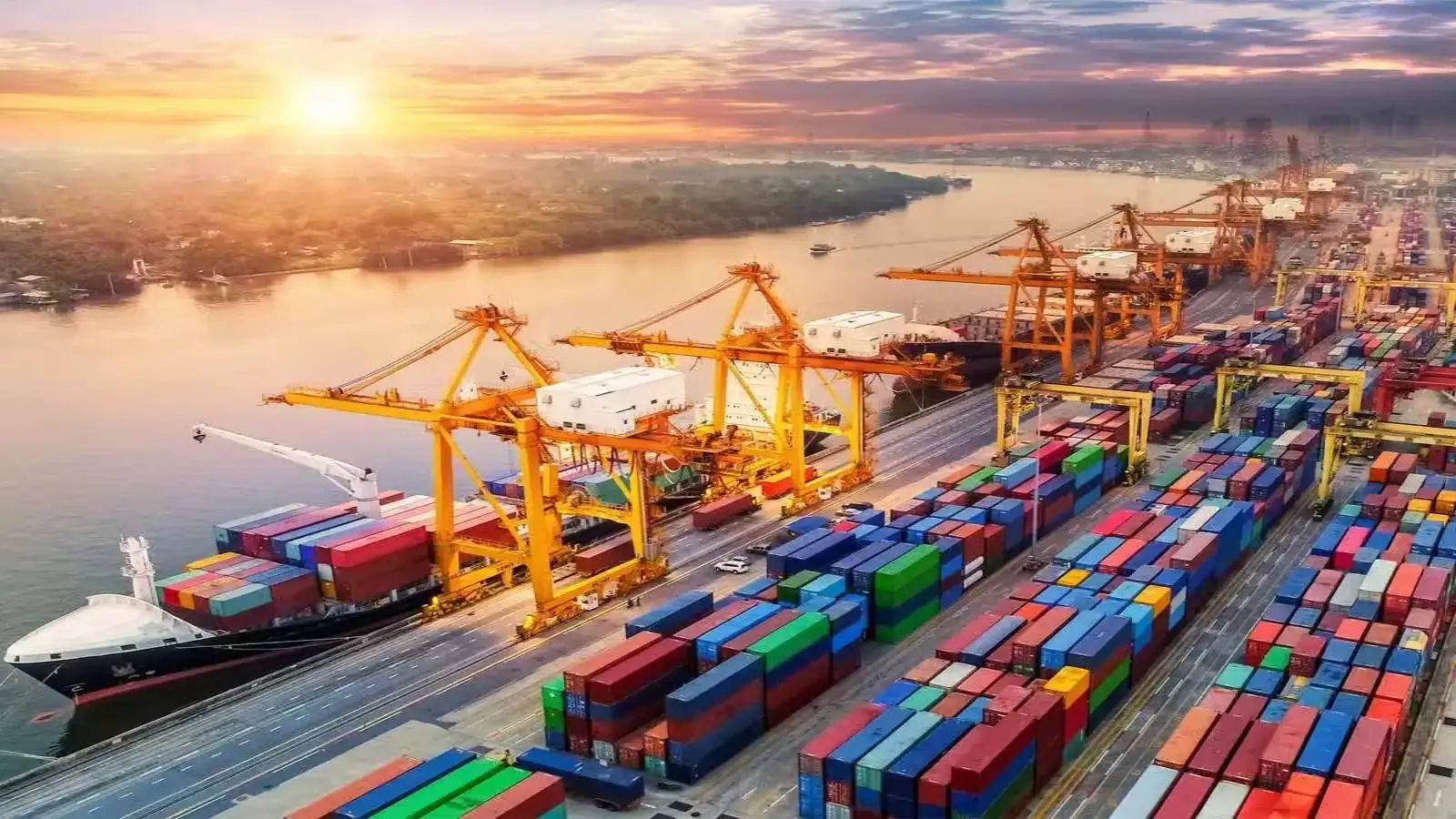
Indian rice exporters are confronting a shortage of shipping containers, creating a new bottleneck for cargo moving out of the country. Navbharat Times reports that cargo clearance has stretched to 35–40 days, leaving rice shipments caught in a prolonged logistics process. The available information does not specify the ports, rice varieties or shipment volumes affected, but the length of the delay indicates that the problem extends beyond routine handling times.
The disruption comes after exporters have prepared rice for overseas buyers, making container availability a decisive link between domestic supply and international delivery. When equipment is unavailable, cargo cannot move through the export chain on schedule even if rice itself is ready for shipment. Exporters must hold the goods longer, wait for containers and manage delivery commitments without certainty over clearance timing.
India’s trade position raises the global stakes
The consequences are not confined to the Indian market. India has a dominant share of world rice trade, so interruptions to its outbound logistics can affect the availability and timing of supply for international buyers. A clearance period of 35–40 days can disrupt purchasing schedules, inventory planning and the coordination of onward distribution in destination markets.
Importers relying on Indian rice may need to carry more time between placing an order and receiving the cargo. Traders also face greater uncertainty when matching contracted sales with expected shipment dates. The source material provides no evidence of cancelled contracts, changes in export prices or a measurable reduction in volumes, so the immediate impact should be understood as a logistics delay rather than a confirmed supply loss.
Exporters face longer working-capital cycles
For Indian exporters, the container shortage can lengthen the period between buying or processing rice and completing an export shipment. Goods waiting for clearance remain tied up in the logistics chain, while companies still have to manage storage, documentation and obligations to customers. The source does not provide cost estimates, but an additional wait of 35–40 days can complicate cash-flow planning, particularly for businesses handling several consignments at once.
The duration of the disruption will determine its broader market effect. If container access improves, delayed cargo can move and the main result may be a temporary backlog. If the shortage persists, shipment schedules could become less reliable for buyers whose supply programs depend on India. For producers and processors, the key issue is whether slower exports eventually affect the movement of rice through domestic channels. For traders and importers, the immediate priority is monitoring clearance times and allowing for longer delivery windows without treating delayed cargo as permanently unavailable supply.