Concurrent droughts could nearly triple global wheat prices at 3°C warming, study finds
A study published in Earth's Future links drought exposure across wheat-growing regions to 72% of annual price variation between 2000 and 2021. Its models indicate average wheat prices of $273 per tonne at about 2°C of global warming and $364 at 3°C.
Simultaneous droughts amplify wheat-market risk
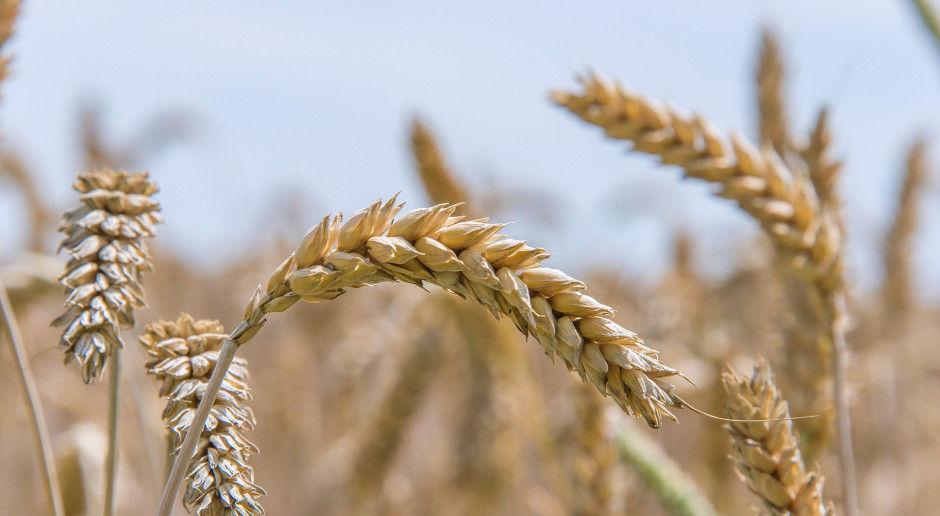
Concurrent droughts across major wheat-producing and exporting regions could drive unusually severe global price shocks as the climate warms, according to research published in Earth's Future. The study combined climate records, crop-location data and global grain prices to examine what happens when water shortages affect several important production areas at the same time, rather than a single country in isolation.
The relationship was especially strong for wheat. Farmer.pl and Rzeczpospolita report that the share of the crop area exposed to drought explained 72% of annual wheat-price variation between 2000 and 2021. When one region has a poor harvest, stronger production elsewhere can partly compensate for the loss. That buffer becomes much smaller when drought simultaneously affects several major suppliers. Interia identifies the United States, Europe and Russia as examples of exporting regions that could face serious water shortages at the same time.
Models put wheat at $364 per tonne under 3°C warming
Between 1911 and 2020, severe water deficits affected an average of about 5% of the world's wheat area. Exposure exceeded 15% in exceptionally dry years, including 2000, 2010, 2012 and 2020, and the affected area increased over time. The researchers then used climate models to estimate how the risk and its price impact could develop as average global temperatures rise.
At approximately 2°C of global warming, the modeled average wheat price reaches $273 per tonne. At 3°C, it rises to about $364 per tonne, nearly three times the inflation-adjusted global wheat price recorded in 2010. These are scenario results rather than a short-term price forecast. The authors also stress that weather is only one market driver: energy and fertilizer costs, inventories, trade policy, crop disease and geopolitical conflicts can also influence prices.
Wheat is more exposed than corn or rice
The study found a much weaker relationship between drought coverage and prices for corn, while no comparable correlation was detected for rice. One possible explanation is the geography and water intensity of production. Wheat is often cultivated in areas where water availability is already limited and evaporation can exceed rainfall during the most important part of the growing season.
Irrigation also provides less protection to wheat than to rice. Only about 15% of global wheat acreage is irrigated, compared with roughly 33% for rice. That leaves wheat output more directly exposed to rainfall deficits and makes synchronized droughts especially relevant for producers, millers, traders and importing countries.
The food-security implications are broad. Interia reports that wheat is an important part of the diet of about 35% of the global population, or more than 2.8 billion people. If several exporting regions lose production together, importers have fewer alternative origins from which to replace supply. The study therefore points to correlated production risk—not simply drought in any one country—as the central threat to wheat availability and price stability in a warmer climate.