Colombian Pork Production Expands as Domestic Supply Gains Ground on Imports
Colombia’s pork industry is expanding as national production increases and reliance on imported meat declines. Improving price competitiveness is helping locally produced pork capture a larger share of the domestic market.
Domestic pork production strengthens
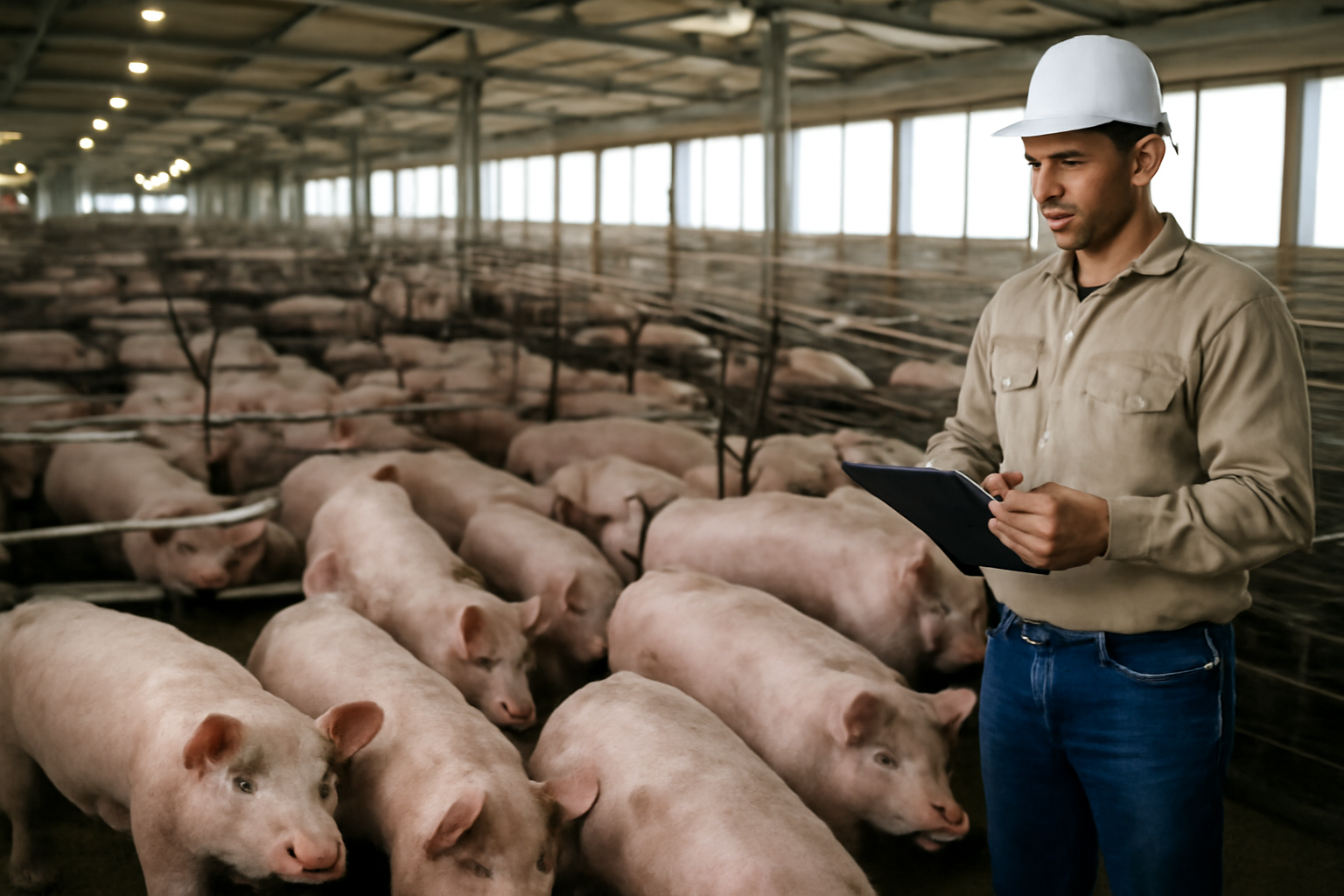
Colombia’s pork industry is going through a period of expansion, supported by higher national production and a declining dependence on imported meat. The shift is giving domestic suppliers a larger role in serving Colombian pork demand and changing the competitive balance between local and foreign product.
The available source material does not provide production volumes, growth rates or a timetable for the expansion. It nevertheless identifies a clear direction: Colombian pork output is rising, while imported pork is losing part of its position in the national market. This combination indicates that additional domestic supply is being absorbed rather than merely adding to import volumes.
For Colombian producers and processors, higher output can improve the use of farms, slaughtering facilities and distribution networks. It can also provide retailers and food-service buyers with a broader domestic supply base. The commercial effect will depend on whether producers can maintain competitive costs as production expands.
Price advantage shifts toward local meat
Improving price competitiveness is a central factor behind the advance of Colombian pork. Domestic meat has developed a growing price advantage over imported alternatives, making it more attractive to buyers whose purchasing decisions depend on delivered cost.
That comparison extends beyond the price charged by a foreign supplier. Imported pork also reaches the Colombian market through a chain that can include international transport, handling and domestic distribution. When locally produced meat becomes more competitive at the point of sale, importers have less room to absorb those costs while defending market share.
No specific domestic or import prices are included in the source material, so the size of the advantage cannot be quantified. The reported direction is still significant for processors, wholesalers and retailers: a sustained local price advantage can shift procurement toward Colombian suppliers, particularly where product specifications and availability are comparable.
Import dependence declines
The reduction in import reliance suggests that production growth is beginning to substitute for some foreign supply. This does not necessarily mean that imports will disappear. Imported pork may continue to serve particular product categories, processing requirements or periods when domestic availability is insufficient.
For importers, the changing market raises the importance of product selection and cost control. Competing directly with increasingly price-competitive Colombian pork may become more difficult, while specialized cuts or products not readily supplied by the domestic industry could retain a role. Domestic processors, meanwhile, may gain greater purchasing flexibility if local supply continues to deepen.
The durability of the trend will depend on the industry’s ability to sustain production and its price position. Based on the information available, Colombia is moving toward a pork market supplied more heavily by its own producers. Higher output, stronger domestic price competitiveness and reduced dependence on imports are reinforcing one another, giving the national industry a larger share of the market.