Colombia pork consumption reaches 15.8 kg per capita as health controls gain urgency
Colombia’s per capita pork consumption has reached 15.8 kilograms, according to sector indicators from Porkcolombia. Expanding demand is raising the commercial value of biosecurity, vaccination and disease prevention across the country’s pork industry.
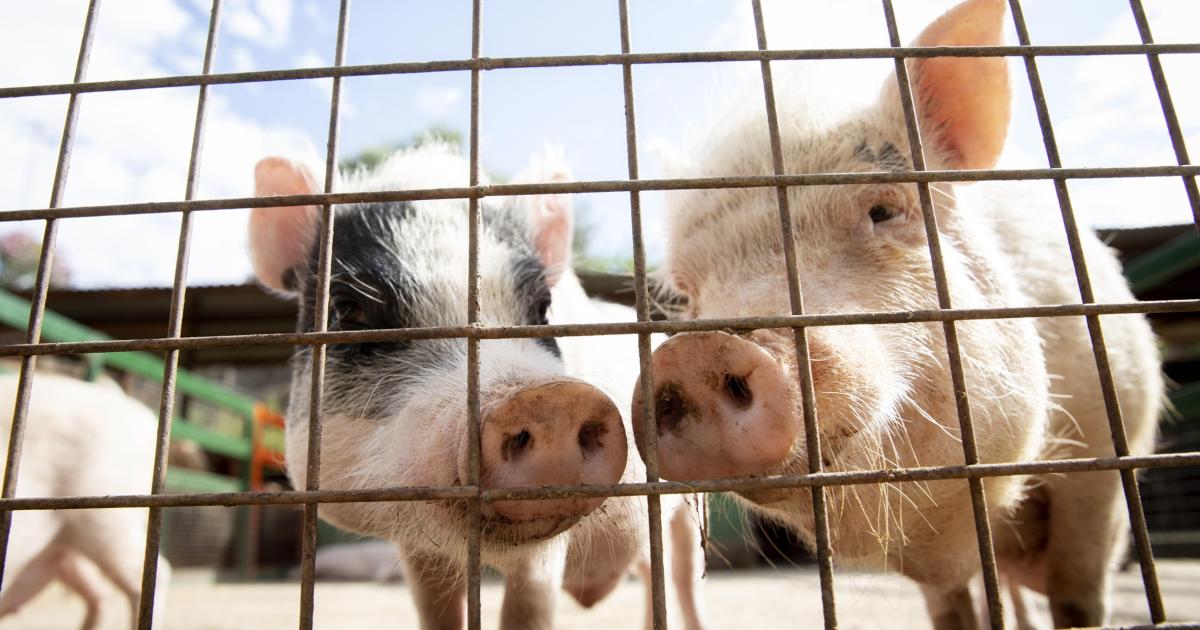
Demand milestone raises the stakes for producers
Per capita pork consumption in Colombia has reached 15.8 kilograms, according to Porkcolombia sector indicators cited by Revista C-Level. The milestone shows how the domestic market for pork continues to expand, creating opportunities for farms and other companies in the supply chain while increasing the consequences of animal-health failures.
Greater consumption requires producers to maintain healthy herds and limit outbreaks that can cause losses throughout the chain. Vaccination, biosecurity and disease prevention therefore affect more than veterinary outcomes: they influence productivity, operating costs and whether farms can maintain uninterrupted production.
The industry’s ability to supply a larger market will not depend solely on expanding farms or animal inventories. Preventive health systems must develop alongside capacity because an outbreak can bring mortality, treatment expenses, interruptions and lower animal performance. As output rises, the financial exposure attached to a weakness in sanitary controls also increases.
Biosecurity starts before animals enter the herd
MSD Animal Health recommends quarantining and assessing new pigs before they join an existing herd, while preventing immediate contact with other animals. Farms should also control the entry of people, vehicles and equipment. Juan Felipe Giraldo, the company’s national sales manager for poultry, swine and aquaculture in Colombia, said these measures are essential to preventing outbreaks.
Additional safeguards include regular disinfection of facilities, pens, equipment and vehicles; continuous cleaning; waste management; good-quality water; and adequate ventilation. Access must be recorded and restricted. Feed, water and animal-welfare conditions also form part of the farm’s protective barrier against pathogens entering through multiple contact points.
This makes biosecurity a system rather than a single procedure. A failure involving access, cleaning or animal handling can weaken the value of the other controls. For producers, consistent implementation across the entire operation becomes increasingly important as herd size and commercial activity grow.
Vaccination technology supports preventive programs
Prevention programs should reflect the epidemiological conditions of each territory. Revista C-Level reports that vaccination and deworming schedules should be established by a veterinarian and monitored through the different stages of an animal’s growth. Lower disease incidence can improve productive performance and reduce losses associated with mortality, treatment and disruption.
Available tools include needle-free intradermal vaccination systems, which deliver doses through the skin using controlled pressure. According to the report, these devices are intended to reduce stress significantly during immunization and provide another method for administering vaccines within preventive programs. Their use links animal health with operational efficiency and welfare.
For Colombia’s pork industry, consumption of 15.8 kilograms per person widens the addressable market but also raises the potential cost of a sanitary failure. Producers that expand capacity will need vaccination, controlled access, disinfection, surveillance and veterinary planning to operate as core production infrastructure. Those controls will help determine whether rising demand translates into sustained productivity and competitiveness rather than higher disease-related losses.