Cold Chain and Compliance Gaps Keep Syrian Vegetables Out of European Markets
Syrian growers face low farmgate prices while weak cold-chain infrastructure, costly transport and European compliance requirements restrict access to higher-value markets. Exporters say refrigerated routes through Syrian ports or Turkey could improve market access, but certification, grading and coordinated logistics remain essential.
Low prices leave produce without a market
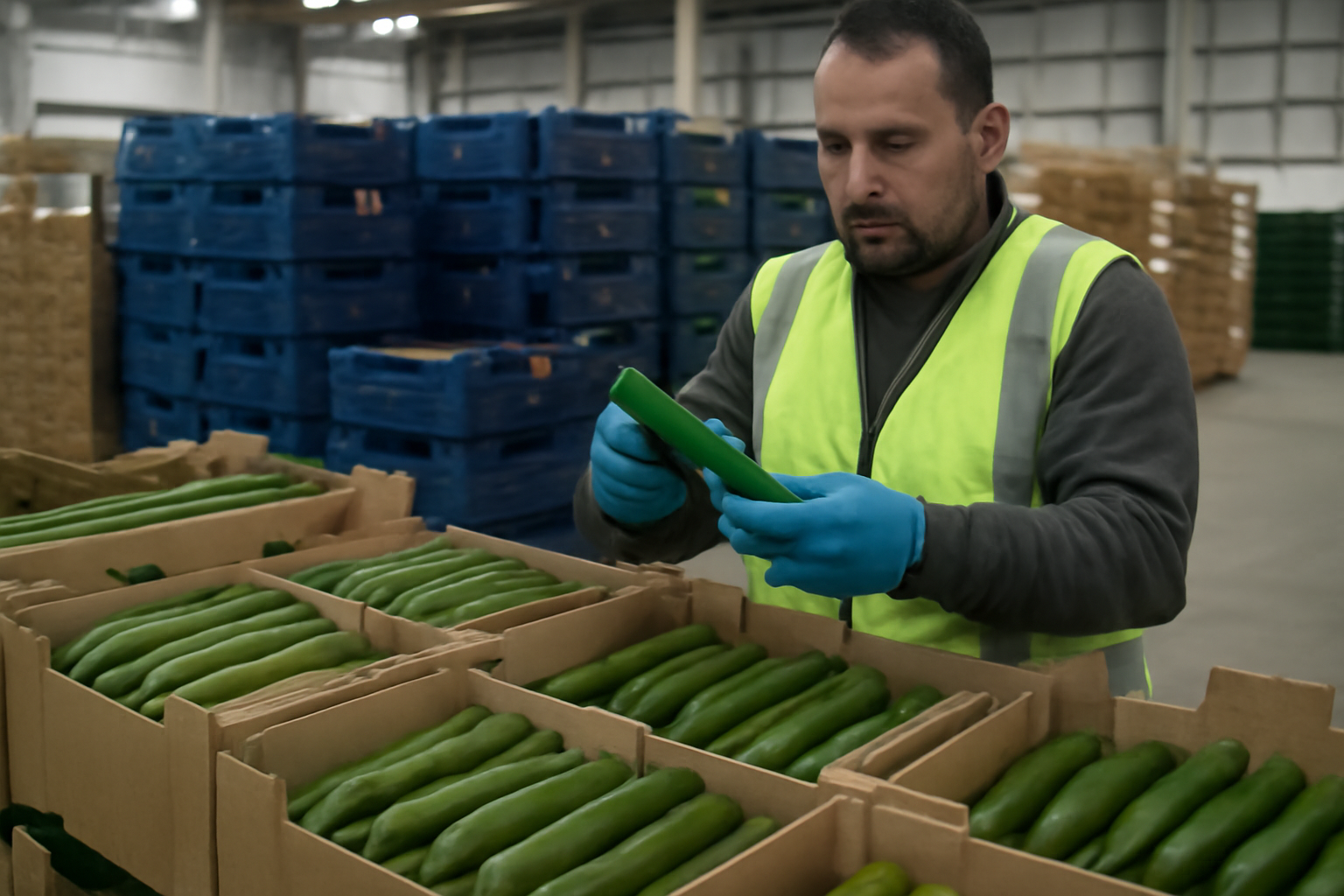
Syrian vegetable growers are struggling to sell seasonal output profitably despite the much higher retail prices available in Europe. Syria TV reported that Abu Ahmad, a cucumber farmer in Khattab in western rural Hama, destroyed part of his crop after the cost of transporting it to the wholesale market exceeded the expected sale proceeds. The case illustrates a wider gap between farm production and access to consumers at home and abroad.
According to the report, traders at Hama’s wholesale market were paying farmers 5,000 Syrian pounds, described by the publication as about five US cents, for cucumbers comparable with products offered in European shops for more than €2. Abu Ahmad said wholesale prices did not cover even harvesting labor, while the same vegetables reached domestic consumers at multiples of the farmgate price. The disparity does not itself represent an immediately available export margin: refrigeration, sorting, packing, certification, freight and losses all stand between the farm and a European supermarket.
A missing chain between farms and buyers
Ziad Arbash, an economics professor at Damascus University, told Syria TV that Syria’s problem was less a crisis of production than a marketing crisis and a missing value chain. Growers can produce vegetables, but fragmented collection and limited facilities for grading, packaging, pre-cooling and refrigerated storage make it difficult to assemble uniform commercial consignments. Without those services, quality can deteriorate before a shipment reaches a border or port.
European access also requires compliance with sanitary and phytosanitary rules. Exporters need traceability, consistent grading, residue controls and documentation accepted by buyers and regulators. These requirements affect decisions made before harvest, including the use of crop-protection products and record keeping. Individual smallholders cannot easily carry the cost alone, making coordinated packing operations, accredited testing and exporter-grower agreements important prerequisites for regular trade.
Refrigerated transport could open a route
Bishr Alwani, a Hama-based vegetable exporter, said reviving refrigerated-container traffic through the ports of Latakia and Tartus could create an opening for agricultural shipments to Hamburg and Rotterdam, two major European gateways for food products. He also identified road transport through Turkey as a faster alternative. Refrigerated trucks could reach several European markets in about 48 hours, he said, a transit time compatible with maintaining the quality of many vegetables.
Transport capacity alone will not guarantee sales. Syrian suppliers would still need firm orders, reliable volumes, predictable border procedures and systems capable of proving that each consignment meets the buyer’s specifications. Yet functioning refrigerated corridors could reduce spoilage and widen the period in which growers can sell their harvest. For producers in Hama, Homs and other farming areas, access to higher-value buyers could support farmgate prices and reduce the risk that seasonal surpluses are dumped locally or destroyed. For European importers, Syria would remain a prospective Mediterranean supplier whose commercial viability depends on consistent quality, compliance and delivery rather than low field prices alone.