COFCO Ships First Large-Scale Cargo of Brazilian Sorghum to China
COFCO has despatched the first large-scale cargo of Brazilian sorghum to China, leaving the group's terminal at Santos aboard the vessel Guoyuan 26 for the port of Nansha in Guangzhou, a voyage of about 45 days. The shipment follows approvals granted to Brazil last year for sorghum and dried distillers grains. Brazilian sorghum exports scheduled for August are forecast to exceed 400,000 tonnes, most of it bound for China.
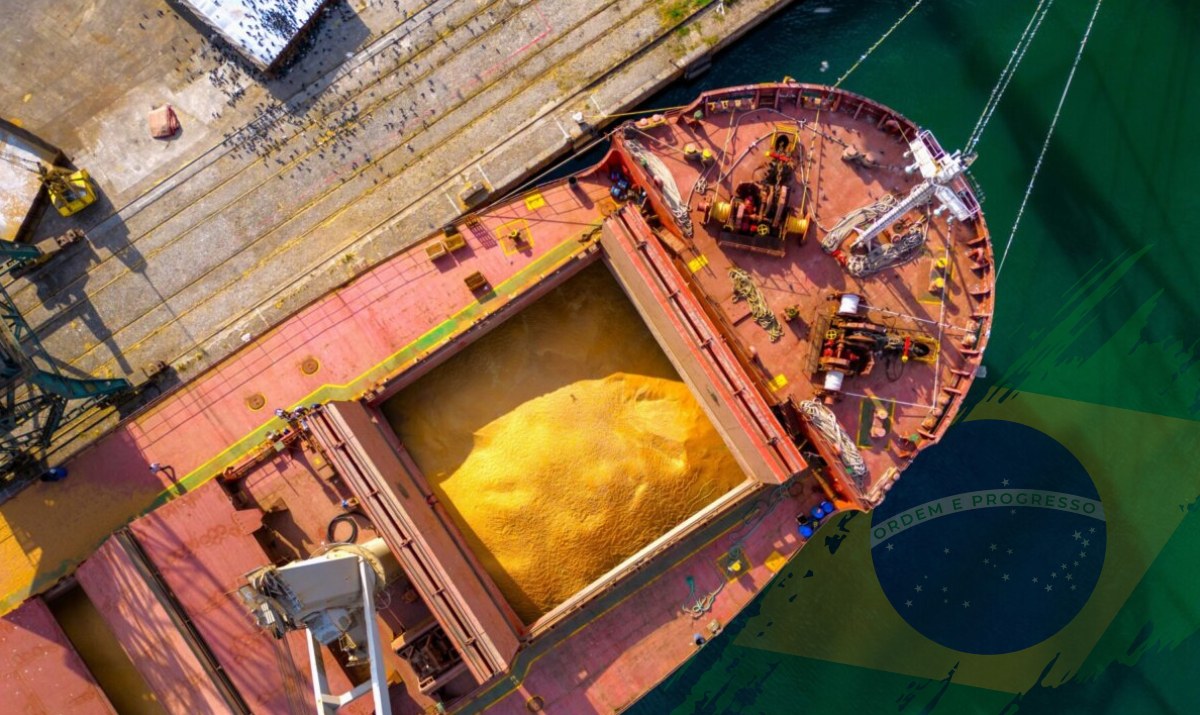
COFCO, China's largest state-owned food and agricultural group, has despatched the first large-scale cargo of Brazilian sorghum to China, opening a new export channel for Brazil's grain shippers. The cargo left COFCO's terminal at the port of Santos aboard the vessel Guoyuan 26 and is expected to reach the port of Nansha in Guangzhou after about 45 days, the company said in a statement reported by Naftika Chronika.
From Santos to Nansha
The shipment follows the first approvals Brazil obtained last year to export sorghum and dried distillers grains to China. Those clearances opened the regulatory door; this cargo is the first time the channel has been used at commercial scale, moving the trade from an administrative possibility to a working route with a named vessel, a loading terminal and a discharge port.
«The opening of the Chinese market creates new commercial possibilities for Brazilian sorghum and connects production with a strategic consumer market», said Luiz Noto, head of the grains and oilseeds division at COFCO in Brazil.
The voyage of roughly 45 days is long by feed-grain standards and shapes how the business has to be organised. Cargoes must be priced and placed well before discharge, and vessel availability becomes part of the margin calculation rather than a logistics detail. COFCO's control of terminal capacity at Santos gives the group a position at both ends of the chain: origination in Brazil and distribution into southern China.
August programme seen above 400,000 tonnes
The volumes behind the first cargo are already significant, and they are heavily weighted towards a single destination.
- Brazilian sorghum exports scheduled for August are forecast to exceed 400,000 tonnes, according to recent estimates cited by Naftika Chronika, with China absorbing the bulk of shipments.
- Six vessels loading sorghum bound for China are scheduled in August.
- COFCO is expected to handle four of those six ships.
That concentration matters for anyone pricing the flow. Two thirds of the announced August vessel programme runs through one state-owned buyer that is also a major distributor in the destination market. For Brazilian growers it adds a bid alongside existing outlets for coarse grains; for competing exporters and trading houses it sets a reference point they will have to match if they want a share of the same shipping slots.
Why China buys sorghum
China is a significant consumer of sorghum, using the grain mainly as animal feed and as the base material for baijiu, the traditional Chinese distilled spirit. The two uses behave differently: feed demand tracks the relative cost of coarse grains and can switch quickly between origins and substitutes, while distilling demand is tied to specific grain characteristics and is less responsive to price. A new origin therefore has to prove itself on both quality and delivered cost before it becomes a standing part of the buying programme.
For Brazil, sorghum has been a secondary crop in a grain complex dominated by soybeans and corn, and access to the largest import market gives the crop a demand outlet it did not previously have. The approvals granted last year also covered dried distillers grains, a co-product of corn ethanol production, which points to a second potential flow through the same regulatory channel. The tests now are whether the September and October export programmes hold near the August level, whether terminals beyond COFCO's Santos facility join the trade, and how the delivered cost of Brazilian sorghum compares with the origins Chinese buyers already use once the first vessels discharge at Nansha.