Coal to remain a major fuel for Russian cement plants despite volatile prices
Coal accounts for 10% to 20% of production costs at Russian cement plants, with prices shaped heavily by fuel quality and transport distance. Capital requirements, equipment modifications and permitting constraints make rapid substitution unlikely.
Domestic prices diverge from export quotations
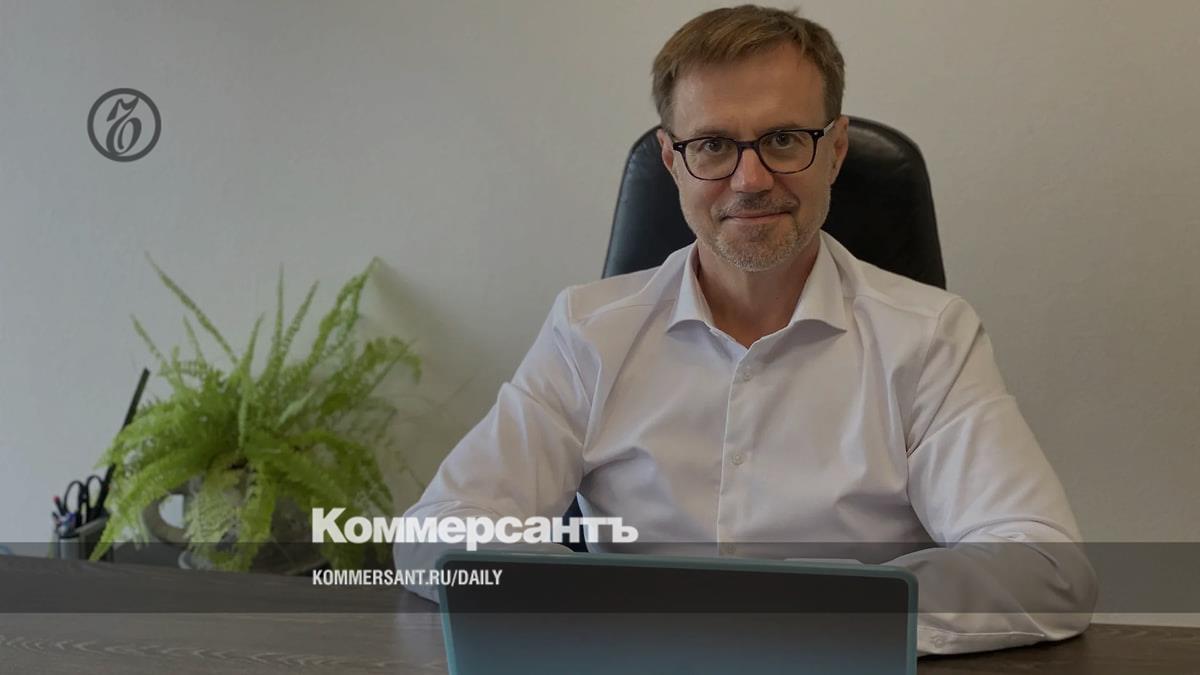
Russian cement producers are expected to remain major consumers of thermal coal despite volatile export prices and pressure on production costs. Vladimir Guz, managing partner of consulting company SMPRO, told Kommersant that the complete and rapid displacement of coal from cement manufacturing is unlikely because changing fuels requires investment, equipment upgrades, regulatory approvals and a reliable alternative supply.
Export prices for Russian thermal coal increased on some routes in 2026, but the movements were highly volatile and did not constitute a sustained upward trend, Guz said. Export quotations also do not pass automatically into prices paid by Russian cement plants.
The domestic price depends on the plant's location, the coal grade and calorific value, the supplier, transport distance and contractual terms. Coal companies may justify increases through higher extraction costs, wages, equipment and spare-parts expenses, railway tariffs and financing costs. As a result, plants with otherwise similar production processes can face different fuel economics depending on their geography and supply arrangements.
Coal represents up to one-fifth of production costs
Coal can account for between 10% and 20% of a cement producer's costs, depending on current prices and delivery expenses, according to Kommersant. A plant located near an open-pit mine is likely to obtain cheaper fuel than a facility dependent on a long rail journey.
Supply is generally governed by framework or annual contracts. Prices may be fixed for a specified period or calculated under an agreed formula, while revisions can take place monthly, quarterly or when a major cost component, such as the railway tariff, changes. Suppliers can alter prices by notification only when the contract already provides for that mechanism. There is no single pricing practice across Russian suppliers and cement plants.
Producers can respond by reducing specific heat consumption, adjusting kiln operations and improving coal preparation. They can also compare suppliers and fuels on price, calorific value, moisture and ash content, build inventories or secure longer-term contracts. These measures directly affect competitiveness because fuel is a key component of cement production costs.
Local supply risks complicate substitution
Further mothballing of coal mines and open pits could create local supply risks without causing a nationwide physical shortage. Cement kilns require coal with particular thermal characteristics, so the closure of a specific supplier or railway disruption can narrow the available selection and increase delivery costs.
Plants may diversify their fuel mix and use alternative fuels where existing equipment permits. However, conversion may require modernised burners, new storage and feeding systems, capital expenditure and environmental permits. Producers also need a dependable source of replacement fuel. These barriers mean conversion is likely to proceed selectively over an extended period rather than through a rapid industry-wide shift.
Cement companies may try to incorporate part of higher fuel costs into cement prices, but demand, capacity utilisation, competition and the presence of imported products determine how much can be passed to customers. Coal pricing therefore remains relevant not only to plant margins but also to regional competitiveness and procurement decisions across Russia's cement market.