Citrus-tree removal puts Egypt’s orange export position at risk
Continued removal of citrus trees could reduce Egypt’s orange production and weaken its position in export markets, horticulture specialist Maher Wali has warned. He called for stronger support for growers and investment in transport and storage to protect crops and reduce food loss.
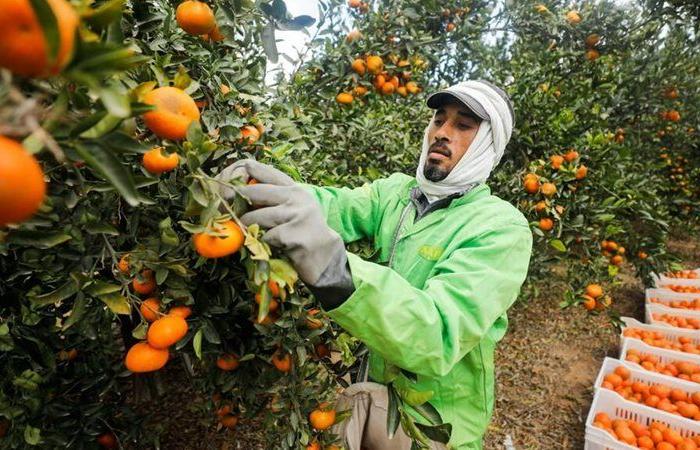
Orchard losses raise concern over export capacity
The continued removal of citrus trees threatens Egypt’s ability to maintain its position in international orange markets, according to Maher Wali, a horticulture professor and former dean of the Faculty of Agriculture at Al-Azhar University. In comments reported by Veto, Wali said protecting the country’s export standing requires support for citrus growers, preservation of existing trees and continuity of production.
Egypt is among the leading countries in orange exports, Wali said. He warned that a broader spread of tree removal could affect both total production and the country’s ranking in the export market. No figures were provided for the area already removed, the volume of production at risk or the reasons growers are cutting down orchards.
The warning nevertheless identifies a direct capacity issue for the citrus industry. Orange export programs depend on a stable base of productive orchards, while the removal of mature trees can reduce the crop available to packers and exporters. Any decline in output would also make it harder to serve the foreign markets that Egyptian suppliers have already entered.
Grower support seen as essential
Wali called for action to support farmers currently cultivating citrus and to provide them with the care needed to maintain their orchards. He linked this support to the sustainability of production and to protecting Egypt’s access to export markets.
The source did not specify which forms of assistance should be introduced. However, Wali’s focus was on retaining trees and keeping production at levels consistent with the country’s established export role. For producers, packers and traders, the central concern is whether orchard capacity can be preserved before tree removal has a wider effect on marketable supply.
The issue extends beyond farms. A stable export sector requires fruit to move from orchards through handling, storage and transport without avoidable losses. Wali therefore connected the pressure on citrus production with Egypt’s broader food-loss problem, which he described as substantial.
Transport and storage enter the debate
Wali said reducing food loss requires an integrated overhaul of transport and storage across the agricultural supply chain. Losses are not confined to the production stage, he argued, but continue after harvest, particularly while crops are being transported and stored.
He advocated expanding suitable storage facilities near production areas and proposed making storage infrastructure available in every village. Although he referred specifically to silos, the wider objective is to preserve agricultural products, improve storage practices and reduce the quantities wasted between harvest and sale.
For Egypt’s orange industry, orchard preservation and post-harvest efficiency are connected risks. Keeping citrus trees in production protects the supply base, while better transport and storage can help more of the harvested crop reach domestic or export buyers in usable condition. Without progress on both fronts, producers may face weaker incentives to retain orchards, and exporters could find it more difficult to defend Egypt’s position in the markets they already serve.