Chinese Market Access Drives Expansion of Brazil’s Sorghum Production
Brazilian sorghum production has increased by 20%, with Maranhão recording growth of 115%, according to Conab data cited by Notícias Agrícolas. The industry expects exports to China to reach 30 vessels this year following the completion of a bilateral export protocol.
Chinese access opens a new outlet
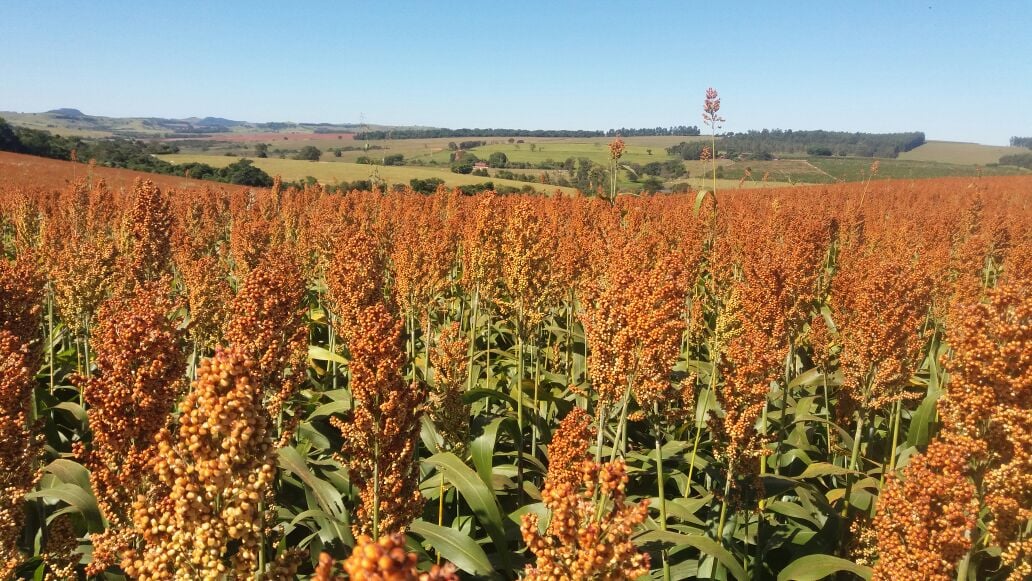
Brazil’s sorghum industry is expanding production and shipments after securing access to the Chinese market, creating a new outlet for a grain used primarily in animal feed. The Brazilian Association of Corn and Sorghum Producers, Abramilho, expects exports to China to reach 30 vessels during the year, Notícias Agrícolas reported.
The forecast follows a year of work since Abramilho hosted a delegation from China’s General Administration of Customs, or GACC. Chinese officials visited farms in Uberlândia, Minas Gerais, to examine production practices and toured grain-processing facilities to assess the safety and quality procedures applied to export cargoes. The mission was intended to advance the steps required to complete the export protocol for Brazilian sorghum.
Abramilho said another vessel carrying Brazilian sorghum departed for China during the week of its August announcement. The association presented the shipment as evidence that the grain is gaining ground in international markets, although the report did not disclose cargo volumes, prices or the ports involved.
Production rises, led by Maranhão
Brazilian sorghum production has increased by 20%, according to data from the National Supply Company, Conab, cited by Notícias Agrícolas. Maranhão posted one of the strongest gains, with production rising by 115%. The figures indicate that growers are responding to broader commercial opportunities, including Chinese demand and expanding domestic uses.
Industry organizations highlighted that growth at the Conexão Sorgo Brasil event in Imperatriz, Maranhão. Participants included Abramilho, Aprosoja Maranhão, CropLife, the National Union of Corn Ethanol, Inpasa, Coreva and Embrapa Milho e Sorgo. The event also addressed a bill establishing a national sorghum day. The proposal has been approved and will next be considered by the Senate, according to Notícias Agrícolas.
Competition in feed and energy markets
Most sorghum cultivated in Brazil is destined for animal nutrition. It is the principal substitute for corn in feed formulations and offers equivalent nutritional value, making it relevant to poultry, pork and cattle producers when corn availability or economics become less attractive. Sorghum can also be used for silage, ethanol, bioenergy and human foods including flour, flakes and gluten-free products.
The crop’s agronomic characteristics support its expansion into areas and planting windows where other grains face greater risks. Sorghum tolerates water deficits, can be planted in later windows, faces comparatively lower pressure from pests and diseases, and performs in less fertile soils. Abramilho also identifies lower production costs as an advantage. These attributes may help Brazilian growers diversify their second-crop strategies while providing feed manufacturers and ethanol plants with an additional source of grain.
Chinese access adds export demand to that domestic base. If the projected 30 vessels are shipped, the trade will give producers and handlers a larger commercial channel while placing Brazilian sorghum in more direct competition with other feed grains serving China. The source did not provide acreage, tonnage or price forecasts, so the scale of the market impact will depend on actual cargo sizes and the industry’s ability to maintain export quality and phytosanitary compliance.