China Takes Second Place in Kazakhstan’s Imported Poultry Market
Kazakhstan imported 13,900 tonnes of poultry meat and edible offal from China in the first half of 2026, lifting China from sixth to second place among suppliers. Lower average import values helped Chinese products gain ground as shipments from Russia, the United States and Ukraine declined.
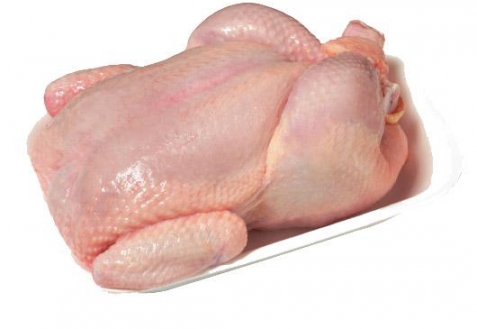
Chinese shipments rise more than sixfold
China has moved from sixth to second place among Kazakhstan’s foreign poultry suppliers, reshaping a market historically dominated by Russia and the United States. Kazakhstan imported 13,900 tonnes of poultry meat and edible offal from China in January-June 2026, according to figures from the Bureau of National Statistics reported by knews.kg and inbusiness.kz. The volume was 6.7 times the level recorded a year earlier.
In the first half of 2025, Chinese shipments totaled 2,060 tonnes worth $2.8 million, with no deliveries recorded in January or February. Their value increased to $13.3 million in the first six months of 2026. China accounted for an additional 11,800 tonnes year on year, offsetting much of the contraction among Kazakhstan’s other suppliers.
Russia remains first but loses market share
Kazakhstan imported 68,700 tonnes of poultry meat worth $92.7 million during the six-month period. Total volume increased by 8.9% from a year earlier, even as combined imports from all countries other than China fell by 10%. Russia remained the largest supplier, but its deliveries dropped by 16.5% to 29,800 tonnes. Its share of Kazakhstan’s poultry imports consequently declined from 57% to 43%.
Imports from the United States fell by 15% to 8,400 tonnes, while shipments from Ukraine decreased by 23% to 4,000 tonnes. Brazil moved in the opposite direction, increasing deliveries by 25% to 7,500 tonnes, and Belarus raised shipments by 17% to 4,300 tonnes. The combined share held by countries outside the Commonwealth of Independent States rose from 29% to 44%, indicating a broader diversification of Kazakhstan’s supply base.
Price gap strengthens China’s position
The average declared value of poultry imported from China was $961 per tonne in the first half, the lowest among Kazakhstan’s major suppliers. Comparable averages were $1,489 per tonne for Russia, $1,357 for the United States and $1,308 for Brazil, against approximately $1,350 per tonne for all imports. Chinese poultry became 29% cheaper year on year, falling from $1,361 per tonne, while the Russian average increased by 22% from $1,222. However, the four-digit customs data do not distinguish among whole birds, legs, fillets, offal or duck meat, so differences in product mix also affect the averages.
China’s expansion in Kazakhstan coincides with stronger poultry output and exports. USDA Foreign Agricultural Service data show that China exported 546,000 tonnes of chicken meat in January-May 2026, up 51% year on year. Breast meat represented more than half of exports in the first quarter, while shipments of bone-in cuts also grew quickly. Chinese poultry production increased by 9.3% to 7.01 million tonnes in the first quarter, and slaughter rose by 7.5%. USDA said the additional supply contributed to lower chicken prices.
Domestic producers face stronger import competition
Conditions were less favorable for Russian suppliers. Kommersant reported that the Russian wholesale price for broiler carcasses reached 200 rubles per kilogram in the week of June 15-21, 10% above the year-earlier level. Russian agricultural organizations produced 2.76 million tonnes of poultry in live weight during January-May, a decline of 2.1%. These production and price trends help explain the widening gap between Russian and Chinese average import values in Kazakhstan.
Kazakhstan’s poultry farms produced 371,700 tonnes of meat in 2025, according to the Agriculture Ministry, 58% more than in 2020. The country currently meets about 78% of its poultry requirements domestically and covers the remainder with imports. At the same time, Kazakhstan’s poultry exports fell by 45% to 10,900 tonnes in the first half of 2026. Shipments to Russia decreased by 37% to 6,600 tonnes, while exports to Kyrgyzstan dropped by 60% to 3,200 tonnes. Growing access to competitively priced Chinese products may restrain consumer prices, but it also raises pressure on domestic farms to reduce costs and improve production efficiency.