China’s food self-sufficiency puts Thai rice and sugar exports at risk
Thailand’s Trade Policy and Strategy Office expects China’s drive for greater food self-sufficiency to reduce demand for imported rice and sugar through 2035. Premium fruit, processed chicken, shrimp and other seafood remain potential growth areas for Thai suppliers.
China reduces its dependence on bulk agricultural imports
China’s push for greater food self-sufficiency is creating a more difficult outlook for Thai rice and sugar exporters, while opening narrower opportunities in premium fruit, processed poultry and seafood. Thailand’s Trade Policy and Strategy Office, or TPSO, said China is shifting from a market for large-volume agricultural imports toward one that places greater emphasis on quality and product diversity.
The assessment draws on the China Agricultural Outlook 2026-2035. According to Thailand’s TPSO and Thai PBS, China produced a record 715 million tonnes of grain in 2025, while total meat production exceeded 100 million tonnes for the first time. Corn imports fell 80.6% and wheat imports declined 64.4% compared with 2024, reflecting Beijing’s efforts to strengthen food security and reduce reliance on foreign supply.
China is also becoming a stronger supplier in some agricultural categories. Thairath reported that Chinese vegetable exports rose 6.4% in 2025, fruit exports increased 4.4% and aquatic-product exports advanced 7.5% from the previous year. This creates additional competition for exporters serving China and third-country markets.
Rice and sugar face contracting demand
Rice is among the Thai products most exposed to the policy change. China’s rice imports are projected to decline by an average of 9.1% a year, reaching only 0.95 million tonnes in 2035. At the same time, China is expected to increase rice exports, potentially intensifying competition for Thai suppliers in the wider global market as well as reducing access to Chinese buyers.
Sugar faces a similar challenge. China aims to raise domestic sugar production by an average of 2.5% annually, which is expected to reduce its import requirement to about 4 million tonnes in 2035. TPSO advised Thai exporters to monitor China’s food-security policies and diversify sales to other markets to limit their exposure to weakening Chinese demand.
Premium fruit, poultry and seafood retain potential
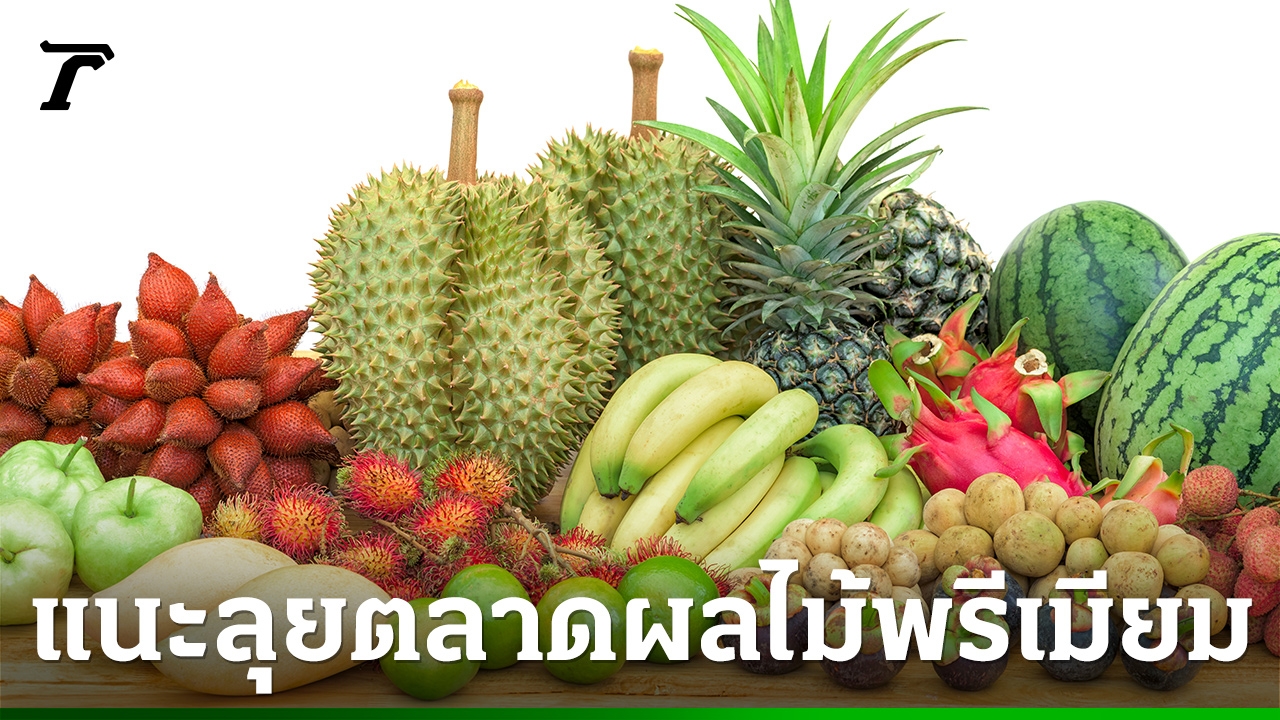
The outlook is more favorable for high-quality fruit. Thai PBS reported that Chinese fruit imports are forecast to grow by an average of 6.1% a year, even as China expands its own exports. Fruit consumption is expected to rise by an average of 1.2% annually to 369 million tonnes in 2035, supporting opportunities for premium Thai varieties and processed fruit products.
Import demand also remains positive for selected animal products. Chinese poultry imports are projected to reach about 1.27 million tonnes in 2035, growing by an average of 2.4% annually. TPSO identified this as an opening for Thai processed chicken that meets demanding quality standards. Imports of beef and mutton are also expected to increase, although the available outlook did not provide volumes.
China’s imports of fish and other aquatic products are forecast to grow by an average of 1.6% a year to 8.08 million tonnes in 2035, offering scope for Thai shrimp and processed seafood. Demand should also be supported by rising incomes and urbanization: urban incomes are projected to grow by an average of 4.3% annually and rural incomes by 6.5%, while the urban share of the population is expected to reach 75% by 2035. TPSO urged suppliers to focus on quality, branding, convenience and health-oriented products, while adapting offers to differing consumer preferences across Chinese provinces.