Chinese state groups commit $350 million to 130,000 hectares of Angolan farmland
SinoHydro Group and CITIC Group have signed agreements worth a combined $350 million to develop 130,000 hectares of maize, soybean and grain land in Angola. SinoHydro receives 25 years of tax-free land use for a 30,000-hectare grain zone, with about 60% of output earmarked for direct export to China. CITIC will spend $250 million over five years on 100,000 hectares, targeting 8 tonnes of maize and 5 tonnes of soybeans per hectare.
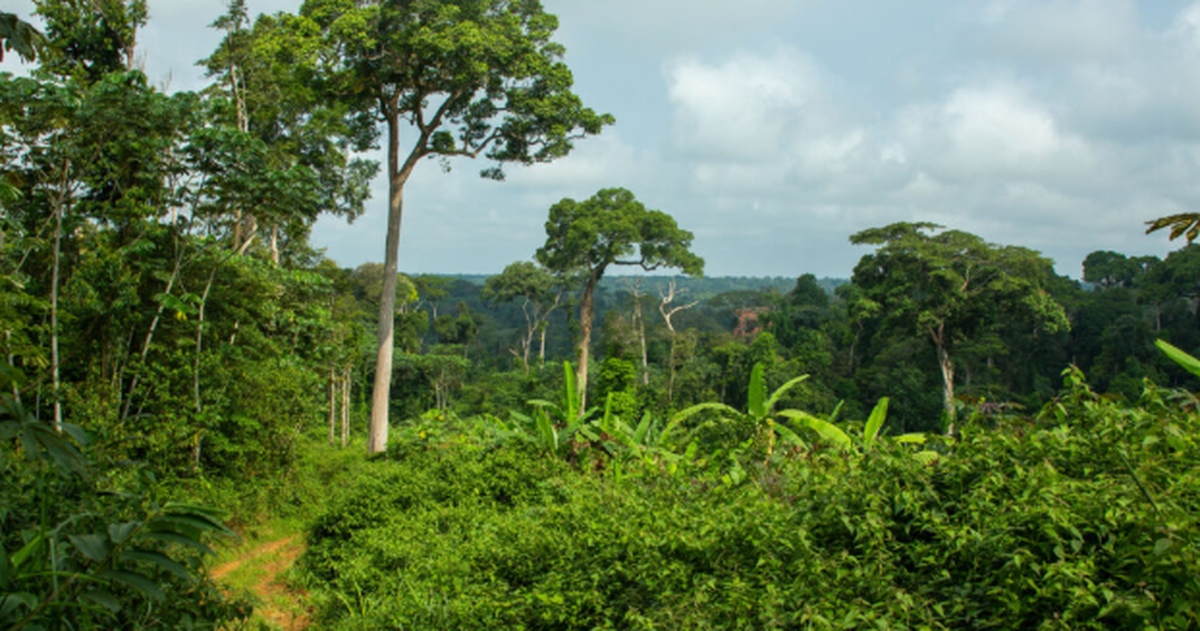
Two Chinese state-owned groups have signed agreements worth a combined $350 million to develop agricultural land in Angola, with maize, soybeans and other grains as the core crops, cafebiz.vn reported, citing Angola's Ministry of Agriculture. The two projects together cover 130,000 hectares and extend Chinese investment in the country beyond its traditional focus on oil and infrastructure into primary crop production.
SinoHydro: 30,000 hectares on a 25-year tax-free term
One of the agreements involves SinoHydro Group, the Chinese hydropower and civil engineering contractor. The company plans to invest more than $100 million to develop a grain production zone covering 30,000 hectares across six provinces in eastern Angola.
Under the terms reported by cafebiz.vn, SinoHydro receives the right to use the land for 25 years without tax liability. About 60% of the project's output is expected to be exported directly to China. The company also plans to build a seed research and trial centre to improve yields, and to draw additional Chinese businesses into Angolan agriculture.
CITIC: $250 million for 100,000 hectares of maize and soybeans
The second agreement was signed with CITIC Group, the Chinese state financial and investment conglomerate. CITIC has committed $250 million over the next five years to develop 100,000 hectares for maize and soybeans.
According to the company, land clearing has already been carried out on:
- 3,000 hectares in Cuanza Norte province;
- 5,000 hectares in Malanje province.
Cultivated area is expected to rise to 10,000-20,000 hectares next year. The project targets yields of roughly 8 tonnes of maize and 5 tonnes of soybeans per hectare. On those targets, the full 100,000 hectares would generate several hundred thousand tonnes a year once developed, but the step up from the 8,000 hectares cleared so far is a multi-year build-out dependent on machinery, inputs and rural logistics.
Angola: fewer food imports, less oil dependence
Angola's Ministry of Agriculture said the agreements with Chinese companies are intended to promote large-scale grain production, raise yields, create jobs and reduce food imports. The projects are advancing as the country seeks to diversify its economy and cut its reliance on oil.
Economic relations between China and Angola have for years centred on crude oil and infrastructure projects, and Angola is one of China's significant oil suppliers. Developing large-scale grain zones moves that relationship into farmland, bringing Angola capital, technology and an assured buyer for the output, while giving Chinese buyers an additional external source of agricultural supply.
China's search for alternative feed supply
The investment comes as China looks to diversify its sources of agricultural goods, particularly commodities used by the livestock sector such as soybeans. China currently imports maize and soybeans from South Africa, while Ethiopia and Benin are other African soybean suppliers.
The Angolan projects indicate that agriculture is becoming an area of expanded Chinese cooperation in Africa alongside the traditional fields of energy and infrastructure. The structure of the deals, combining long-term land use rights with a defined export share, places them closer to vertically integrated supply projects than to portfolio investment, and their eventual weight in trade flows will depend on whether the announced yields and the pace of land development are achieved.