Chile’s Early Cherry Output Could Fall 70% in Ovalle After Adverse Weather
Early cherry production in Ovalle could be 60% to 70% below initial estimates for Chile’s 2026-2027 season. Fruit-fly restrictions are also limiting airfreight access to China, forcing exporters to consider cold treatment and alternative markets.
Ovalle harvest falls far below projections
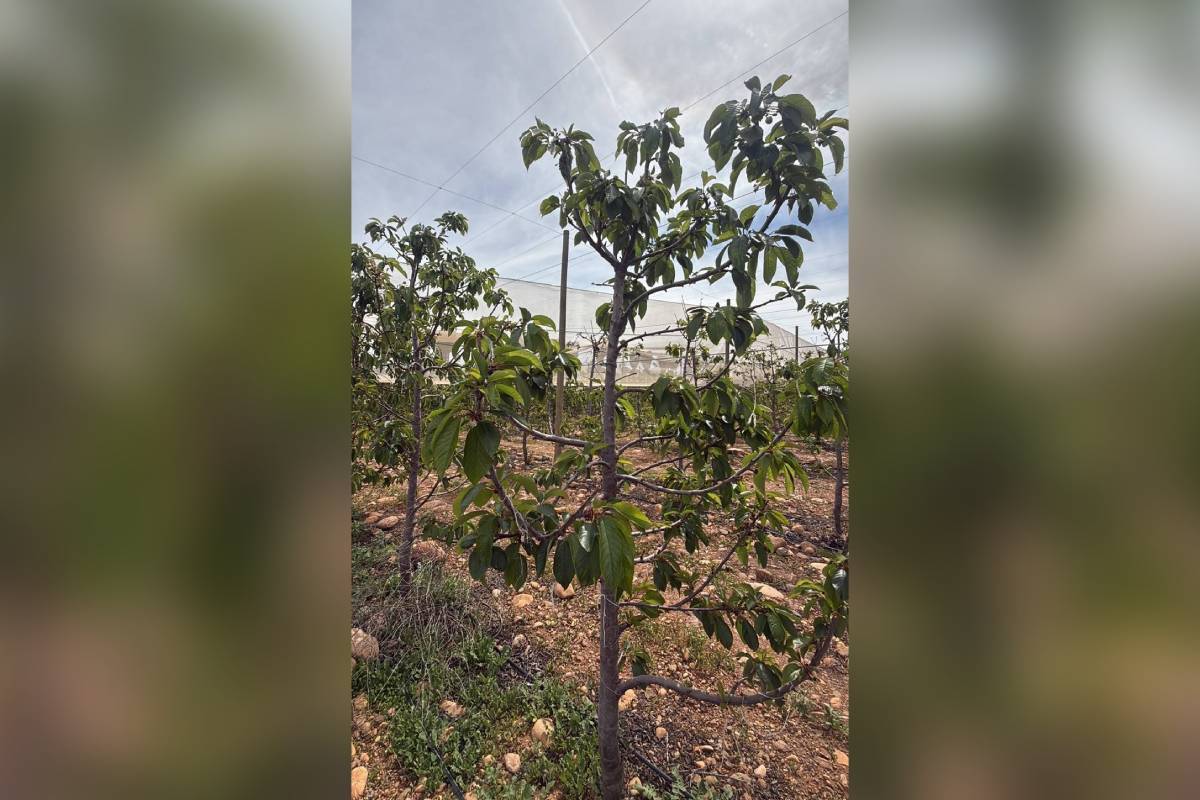
Chile’s 2026-2027 cherry season is beginning with a sharp production decline in Ovalle, one of the northern areas responsible for the country’s earliest fruit. Miguel Ángel Lorenzini, plant manager at Teno Pack, told PortalFruticola.com that output in the area could be 60% to 70% below initial estimates. Following visits to local growers, he estimated that the available crop was close to 30% of the volume originally projected for the season.
Conditions vary between orchards, and some producers have recorded losses exceeding 80%, according to Lorenzini. At that level, harvesting fruit for export may no longer be economically viable for individual growers. Despite the reduction, Grupo Teno plans to continue operating a packing line in the area. The company expects the first commercially significant volumes around October 15, led by varieties including Brooks and Nimba.
Rain, temperatures and chill hours under review
Lorenzini linked the lower crop to a possible combination of weather factors. These include high seasonal rainfall concentrated within a few weeks, potential differences in accumulated chill hours, and high temperatures after flowering and fruit set. Santina was among the varieties that reportedly experienced greater difficulties. However, he cautioned that more technical information is required to establish how much each factor contributed to the losses.
The industry is collecting data to compare the current season with previous years. There is no agronomic intervention capable of recovering fruit that was not produced, Lorenzini said, leaving growers and packers focused on protecting the quality and condition of the remaining crop. The production setback illustrates how additional water can improve longer-term supply conditions while creating immediate complications when rainfall timing and intensity affect orchard development.
Reservoir recovery follows prolonged drought
Rainfall in mid-August substantially replenished reservoirs in northern Chile after more than 15 consecutive years of drought. Lorenzini said the available water, based on current observations, could provide security for four or five seasons. That has offered producers some relief over future irrigation supplies, even as they assess severe losses in this year’s early cherry crop.
The contrast is particularly pronounced for orchards where the production decline exceeds 80%. Better reservoir levels support future growing seasons, but they do not offset the current loss of marketable fruit or the fixed costs associated with orchard management, harvesting and packing. For early-season suppliers, lower volumes also reduce the amount of fruit available during a commercial window that depends heavily on speed to market.
Fruit-fly controls restrict airfreight to China
Logistics are adding another constraint. Thirteen fruit-fly campaigns are active in the area and affect almost all local producers, according to PortalFruticola.com. The restrictions limit the use of airfreight to markets such as China, an especially important channel for early cherries because it allows fruit to reach customers quickly. Producers and packing facilities located inside restricted zones cannot access that option.
Grupo Teno is therefore considering a broader range of destinations and other logistics alternatives. Its first shipments to China are expected to use cold treatment. The combination of a crop potentially limited to about 30% of initial projections and reduced access to airfreight is likely to narrow Chile’s earliest export supply. The Chilean Cherry Committee had not commented by the time PortalFruticola.com published its report.