Chicago wheat futures rise more than 14%, improving Indian export prospects
Wheat futures on the Chicago market have risen by more than 14%, strengthening the potential competitiveness of Indian wheat abroad. India’s bumper stocks could support exports, although the available report gives no contract price, rally period, stock volume or shipment forecast.
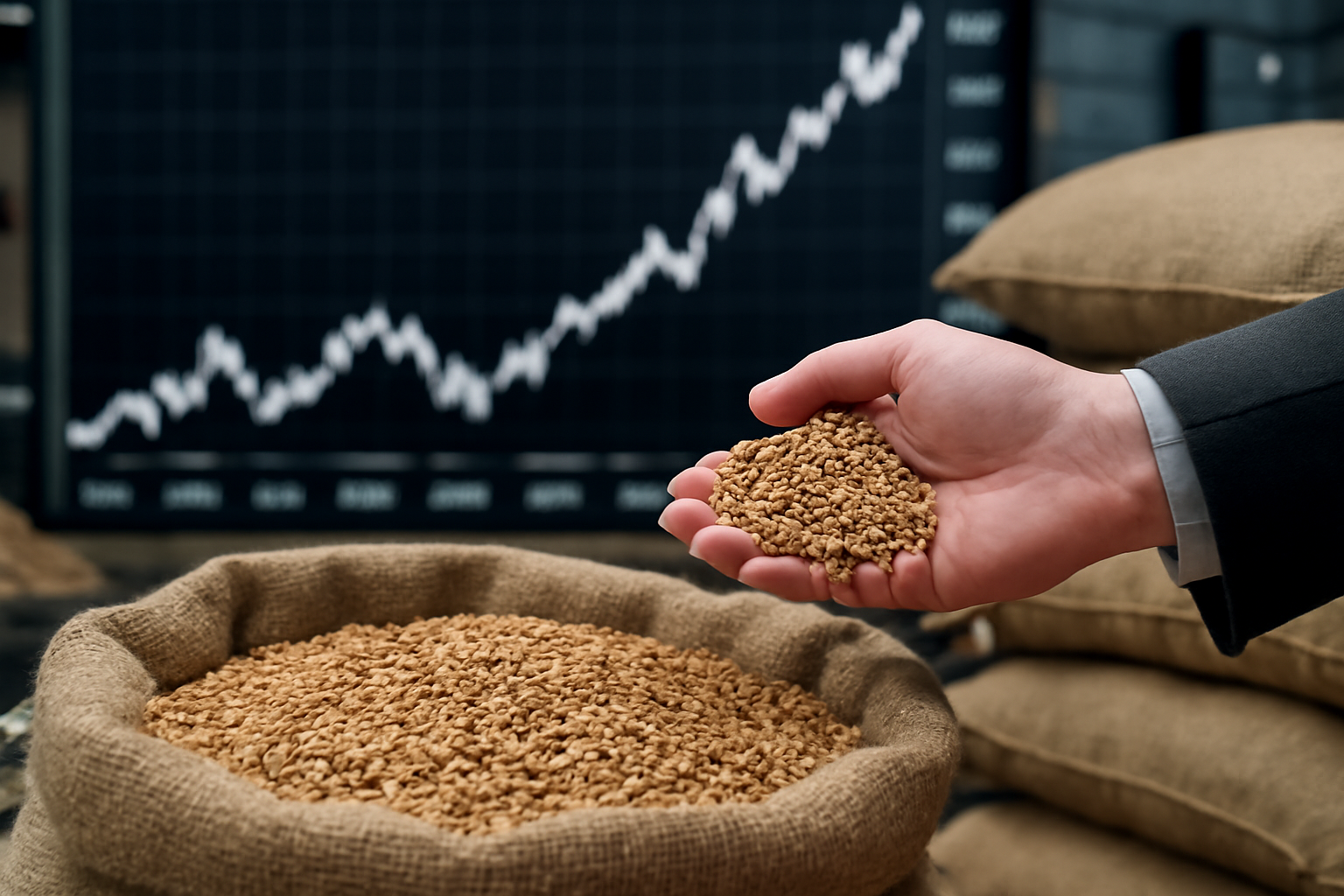
Global benchmark records a sharp rally
Wheat futures on the Chicago market have risen by more than 14%, according to the available report. The move is significant because Chicago is described in the report as the world’s largest wheat futures market and serves as a major reference point for participants assessing global grain prices.
The source material does not specify the futures contract, the price reached, the starting level or the period over which the increase occurred. It also provides no comparison with wheat quotations in other markets. The confirmed information is therefore limited to the scale of the Chicago gain and its reported implications for India.
A rally of more than 14% can change the relative position of suppliers whose grain was previously too expensive for overseas buyers. Higher international futures do not automatically translate into completed physical sales, but they can narrow the gap between a supplier’s domestic price and the level available in export markets. Freight, quality, delivery timing and government rules remain relevant to any transaction.
Bumper stocks strengthen India’s position
The report links the global price increase with India’s bumper wheat stocks, saying that the combination has opened a path for exports. The logic is direct: a larger available stock creates potential supply, while a stronger global benchmark can improve the price environment for selling that supply abroad.
No figure is given for India’s wheat inventories, the volume potentially available to exporters or the amount that could be shipped. The report also does not identify prospective buyers, ports, trading companies or destination markets. It therefore signals an improvement in export prospects rather than confirming contracts or cargoes.
For Indian producers and processors, the international rally may increase attention to the difference between domestic and export values. Traders will need to assess whether overseas bids cover procurement, handling and transport costs. Importers, meanwhile, could gain another potential origin if Indian wheat becomes commercially available at competitive terms.
Execution will determine actual trade flows
The Chicago advance provides a more supportive external price signal, but actual Indian exports would depend on physical-market economics and the terms under which wheat can be sold. Futures prices are a benchmark, not a guarantee of the price received for a particular grade at an Indian port.
The lack of information on timing is especially important. A price rally can create a trading window, but that window may narrow if futures retreat or competing suppliers adjust their offers. The value of India’s bumper stocks to the export market will therefore depend on how quickly sellers can convert the improved price relationship into workable bids and shipments.
For the wider grain market, India’s possible return as a more competitive supplier would add another source for buyers to evaluate. For India, the central question is whether the rise of more than 14% is sufficient to turn available stocks into commercially viable exports. The report establishes a stronger opportunity, but it does not yet document the resulting trade volumes.