Chiang Rai jasmine rice targets affluent Chinese buyers at nearly five times Thai prices
Affluent Chinese consumers are paying nearly five times the Thai domestic price for authentic, high-quality Chiang Rai jasmine rice. The price gap points to a super-premium export niche built around verified origin and product quality.
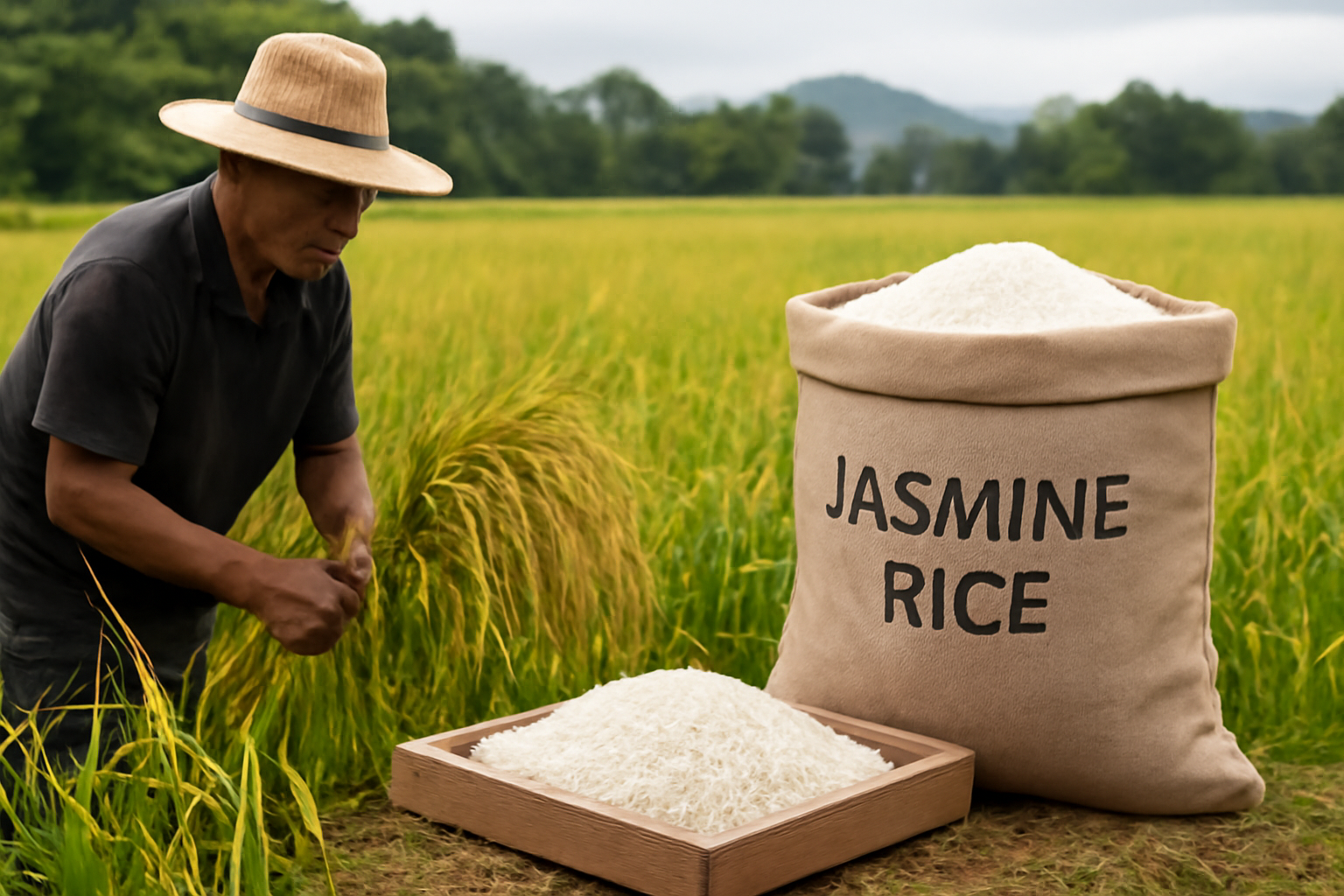
A high-priced niche emerges in China
Authentic Chiang Rai jasmine rice is finding a new super-premium segment among affluent consumers in China. Buyers with high purchasing power are prepared to pay substantially more for rice presented as genuine and high quality, with the Chinese market price reported at nearly five times the level in Thailand.
The difference is large enough to distinguish the product from ordinary premium rice. Rather than competing principally on volume or a low retail price, Chiang Rai rice is being positioned around provenance, authenticity and quality. That makes the opportunity relevant to producers and exporters able to preserve those attributes from the growing area to the final package.
Origin becomes part of the product
Chiang Rai’s name is central to the proposition. In this segment, the commodity is not simply jasmine rice from Thailand; its specific geographic origin supports the product’s identity. For Chinese consumers willing to pay a premium, confidence that the rice is authentic is therefore closely connected to its commercial value.
This creates both an opportunity and a control problem for the supply chain. Farmers, processors, packers, exporters and Chinese distributors all have an interest in maintaining clear product identity. If rice from different origins is mixed or sold under an unclear claim, the distinction supporting the higher price can weaken. Consistent quality and credible origin information are consequently essential to protecting the premium.
Value matters more than immediate scale
The reported price gap does not by itself establish the size of Chinese demand or the volumes available from Chiang Rai. It does, however, show that a group of Chinese buyers values authentic rice highly enough to accept a price approaching five times the Thai domestic level. For suppliers, the immediate case is therefore about value per unit rather than evidence of a mass-market shift.
Exporters considering this niche must keep the final product visibly differentiated from standard jasmine rice. Producers may benefit if the premium travels back through the chain, while processors and traders can capture value through careful segregation, quality management and origin-focused presentation. Chinese importers and distributors, meanwhile, need to identify customers whose purchasing decisions are based on authenticity rather than price alone. The central commercial test is whether the price premium can be sustained while the product moves through a longer cross-border supply chain. If it can, Chiang Rai jasmine rice offers Thailand a focused route into China’s highest-value rice segment without relying on broad price competition.