Cheap meat imports and high feed costs squeeze Vietnam’s livestock producers
Vietnam imported 494,300 tonnes of meat and meat products worth about $1.46 billion in the first half of 2026. Lower-priced imports, elevated feed costs and falling hog prices are narrowing margins for domestic livestock producers.
Meat import bill rises 36.4%
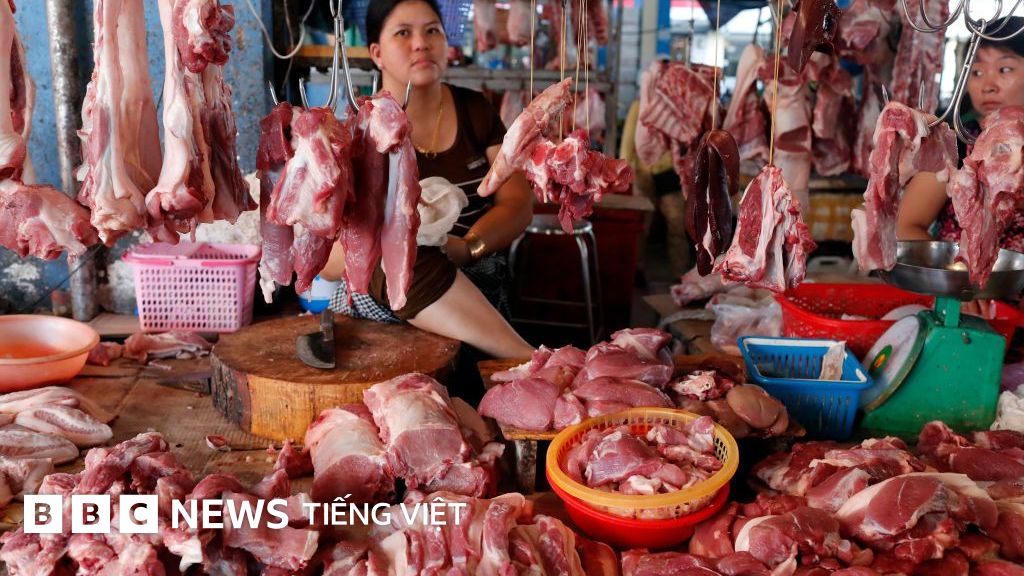
Vietnam imported 494,300 tonnes of meat and meat products worth about $1.46 billion in the first six months of 2026, according to preliminary customs data reported by BBC Vietnamese. Compared with the same period of 2025, volume increased 9.6% and value rose 36.4%, indicating that the average cost of imported supply also climbed.
Imports accelerated during the second quarter. Vietnam received 271,100 tonnes valued at $810.1 million, up 21.5% in volume from the first quarter and 14.4% from the second quarter of 2025. The principal categories included poultry products, edible offal from pigs, cattle and poultry, frozen pork and frozen beef. India, the United States, Brazil, Australia and Spain were the main suppliers, and shipments from all five markets increased year on year.
Low-priced chicken dominates poultry flows
The Vietnam Poultry Association estimated that the country imported nearly 200,000 tonnes of chicken worth about $200 million during the first half, led by inexpensive chicken legs from the United States. Frozen legs accounted for about 71.5% of chicken imports, or 130,000–140,000 tonnes. Wings represented about 12%, equivalent to 22,000–25,000 tonnes, while feet and other by-products made up around 8.7%, or 16,000–18,000 tonnes.
The United States supplied 115,000–120,000 tonnes, approximately 61.8% of the total. The European Union followed with 28,000–30,000 tonnes, mainly from Poland, while Brazil shipped 24,000–26,000 tonnes. These products were priced below domestic alternatives, increasing competitive pressure on Vietnamese farms and processors already facing high animal-feed costs.
Hog prices fall as demand weakens
Seasonal demand has added to the pressure. The market entered the seventh lunar month, when many Vietnamese households eat vegetarian food, weakening meat consumption. Thanh Niên reported that live-hog prices fell across northern, central and southern Vietnam from the beginning of August.
On August 1, national live-hog prices ranged from 60,000 to 63,000 dong per kilogram. By August 17, prices in many localities had declined to 56,000–58,000 dong per kilogram, with some areas in central and southern Vietnam at 56,000 dong. Livestock companies described this as the lowest hog-price level since the beginning of 2026, further reducing producer margins.
Exports remain small beside imports
The trade imbalance remains pronounced. Vietnam exported only 9,300 tonnes of meat worth $62.73 million in the first half of 2026, compared with imports of 494,300 tonnes. Avinews characterized this as a contradiction for a country with substantial domestic production but continued import dependence and very limited exports.
Industry leaders warned that the combination of costly feed and low selling prices can push farms into losses unless productivity improves significantly. Vietnamese experts cited by VnExpress said producers seeking to compete without trade protection need professional farm management, stronger disease prevention and biosecurity, better cost control and more efficient feed conversion. Nutrition should also be adapted to local conditions and animal life cycles. Developing value-added products for export offers another route, but the current gap between import and export volumes shows the scale of the competitiveness challenge.