Castellón mandarin and clementine exports fall 21% as production and EU competition tighten
Castellón exported 205,021 tonnes of mandarins and clementines from September 2025 through June 2026, down 21% year on year. Lower production and growing competition from South Africa and Turkey are reducing the province’s overseas volumes.
Small-citrus shipments lose 54,451 tonnes
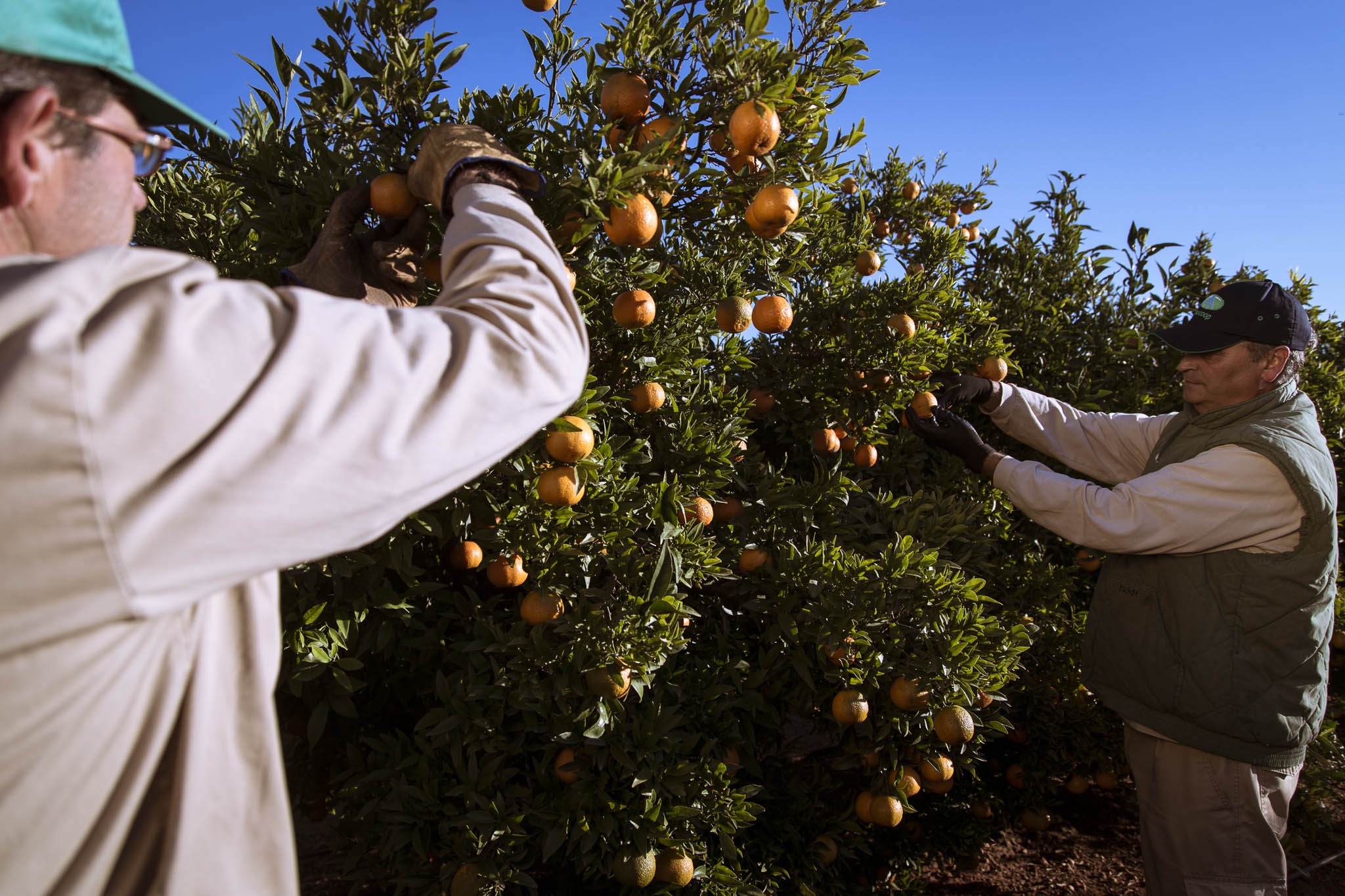
Castellón’s exports of mandarins and clementines fell sharply during the latest citrus campaign, reflecting both reduced fruit availability and stronger competition in the European Union. According to foreign-trade data from Spain’s Ministry of Economy, Trade and Enterprise reported by Castellón Plaza, the province exported 205,021 tonnes between September 2025 and June 2026. That compares with 259,472 tonnes in the corresponding period of the previous campaign.
The year-on-year loss reached 54,451 tonnes, or 21%. The decline is particularly significant for Castellón because mandarins and clementines are central to its citrus industry, with the Clemenules variety carrying substantial weight in provincial production.
The contraction in small citrus was deeper than the decline across the province’s broader citrus export sector. Including oranges, Castellón shipped 432,330 tonnes abroad in the first ten months of the campaign, down from 514,381 tonnes in the same period of 2024/25. The difference was 82,051 tonnes, representing a decrease of almost 16%.
Export revenue falls more slowly than volume
Revenue also declined, although less sharply than physical shipments. Mandarin and clementine exports generated €291.15 million, compared with €351.32 million in the previous campaign, a reduction of 17.1%. Combined export revenue from oranges and small citrus stood at €518.06 million, against €598.96 million a year earlier, down 13.5%.
The difference between the volume and value changes indicates that the average value per exported tonne was higher than in the previous period. For small citrus, the volume contraction exceeded the revenue decline by nearly four percentage points. This provided some protection to turnover, but it did not offset the commercial effect of losing more than one-fifth of export tonnage.
Castellón Plaza linked the reduced shipments to a campaign with a lower crop estimate and less available fruit. Agricultural organizations have warned that the province has been losing production capacity over several seasons because of ageing orchards, abandoned plots, pests and diseases, and insufficient generational renewal. Profitability problems at some farms are also encouraging land abandonment and reducing future production potential.
Third-country suppliers gain ground in the EU
Lower local supply is coinciding with greater competition in the EU, the principal destination for Castellón citrus. Fruit from non-EU countries now represents 36.9% of the small-citrus supply marketed in the bloc, compared with 15% a decade ago. South Africa and Turkey have recorded particularly strong gains during the current campaign.
South Africa has become the leading non-EU supplier of small citrus, while Turkey has sharply expanded its shipments. The change increases competitive pressure on Valencian growers and exporters at a time when Castellón has less fruit available for domestic and foreign customers.
La Unió Llauradora i Ramadera has called for the safeguard clause in the EU’s Economic Partnership Agreement with South Africa to be applied. The farming organization issued the demand after South African mandarin shipments to the EU increased by 117% over the past five years. For Castellón’s supply chain, the immediate challenge is therefore twofold: restoring production capacity while defending market share in a European market increasingly supplied by competing origins.