Cargill invests $60 million to expand processed poultry and grain storage in Thailand
Cargill is putting more than 2 billion baht ($60 million) into its processed poultry network in Thailand, including a new automated cooked-chicken line in Saraburi due in 2028. The company expects output and exports from Thailand to reach about 160,000 metric tonnes a year, worth roughly 25 billion baht in annual export value. A separate 30,000 metric tonne grain silo in Nakhon Ratchasima is due to be completed in December 2026.
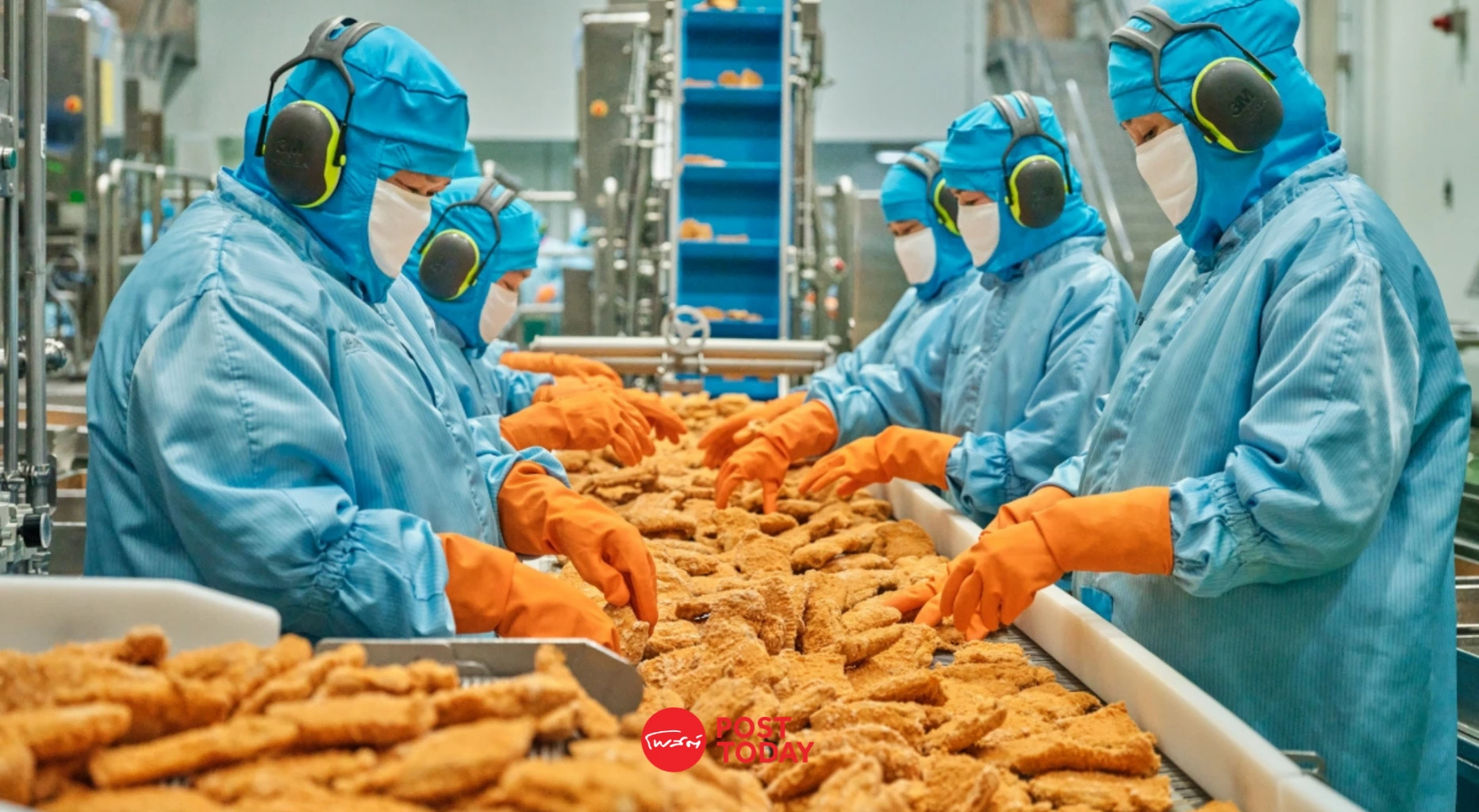
Cargill is investing more than 2 billion baht ($60 million) to expand its processed poultry operations in Thailand, covering both production capacity and grain storage. According to Post Today, the programme is expected to lift the company's output and exports from the country to roughly 160,000 metric tonnes a year and to generate about 25 billion baht in annual export value for Thailand.
Automated cooked-chicken line in Saraburi
The centrepiece of the investment is a new automated cooked-chicken production line at Cargill's prepared foods plant in Saraburi province, scheduled for completion in 2028. Over the next two years the company will replace machinery with newer equipment and integrate artificial intelligence into production data processing, a step it says will support faster and more precise decisions while tightening cost control.
The Reporter Asia reports that the same technology upgrade is intended to reinforce Cargill's food safety and quality management systems. Both outlets describe the investment as covering capability and operating efficiency across the company's entire poultry network in Thailand, from supply chain resilience through to innovation for foodservice and retail customers.
Export volumes and destination markets
Cargill already ships cooked poultry products from Thailand to Japan, Europe, other Asian markets and North America. After the expansion, combined production and export volume is expected to reach about 160,000 metric tonnes per year. The Reporter Asia attaches the 25 billion baht export value figure specifically to cooked poultry meat. Customers cited include foodservice operators, retail chains and convenience store networks across Asia and Europe.
The expansion is also expected to create more than 300 local jobs. The Reporter Asia places both the jobs target and the export value target within a timeframe running to 2028, matching the completion date of the Saraburi line.
Grain silo in Nakhon Ratchasima
Upstream, Cargill is building a 30,000 metric tonne grain storage silo in Nakhon Ratchasima province, sited next to its animal feed mill. Construction began earlier this year and is scheduled for completion in December 2026. The facility is intended to hold feed raw material reserves, give the company more flexibility in sourcing grain through the year, and open an additional sales channel for local field crop farmers.
Policy backdrop and domestic sourcing
Both publications tie the investment to the Thai government's push to position the country as a "Food Hub for the World". Wacharapol Prasopkiattipoka, Vice President and Managing Director of Cargill's poultry business in Asia Pacific, said demand for high-quality protein continues to grow across global markets while customers look for innovative partners able to support their growth with confidence. He said investment in infrastructure, technology and people will improve Cargill's ability to deliver consistent product quality.
"Not only does this meet customers' growing demand for high-quality protein, it also aims to build long-term economic value for Thailand, as well as for farmers, businesses, suppliers and local communities," he said, as quoted by Post Today.
Wacharapol added that the investment underlines Thailand's role as one of the global production bases for exports of high-quality and value-added poultry products. Beyond export competitiveness, Post Today lists the wider domestic effects the company expects:
- Higher purchases of feed raw materials and grain from domestic suppliers
- Increased sourcing of seasonings and packaging within Thailand
- Job creation and skills development in agriculture and food manufacturing
- Training in production management and veterinary science
Post Today frames these effects as supporting economic growth and competitiveness and as groundwork for Thailand's long-term food security. Neither report breaks down how the 2 billion baht is split between the Saraburi production line and the Nakhon Ratchasima silo.