Overseas buyers seek basmati differentiated by variety, origin and aging
Overseas demand for basmati is becoming more differentiated, with buyers considering variety, production region, grain quality, aroma, aging and cooking performance. The trend may create opportunities for Indian growers and exporters able to preserve quality and identity across the supply chain.
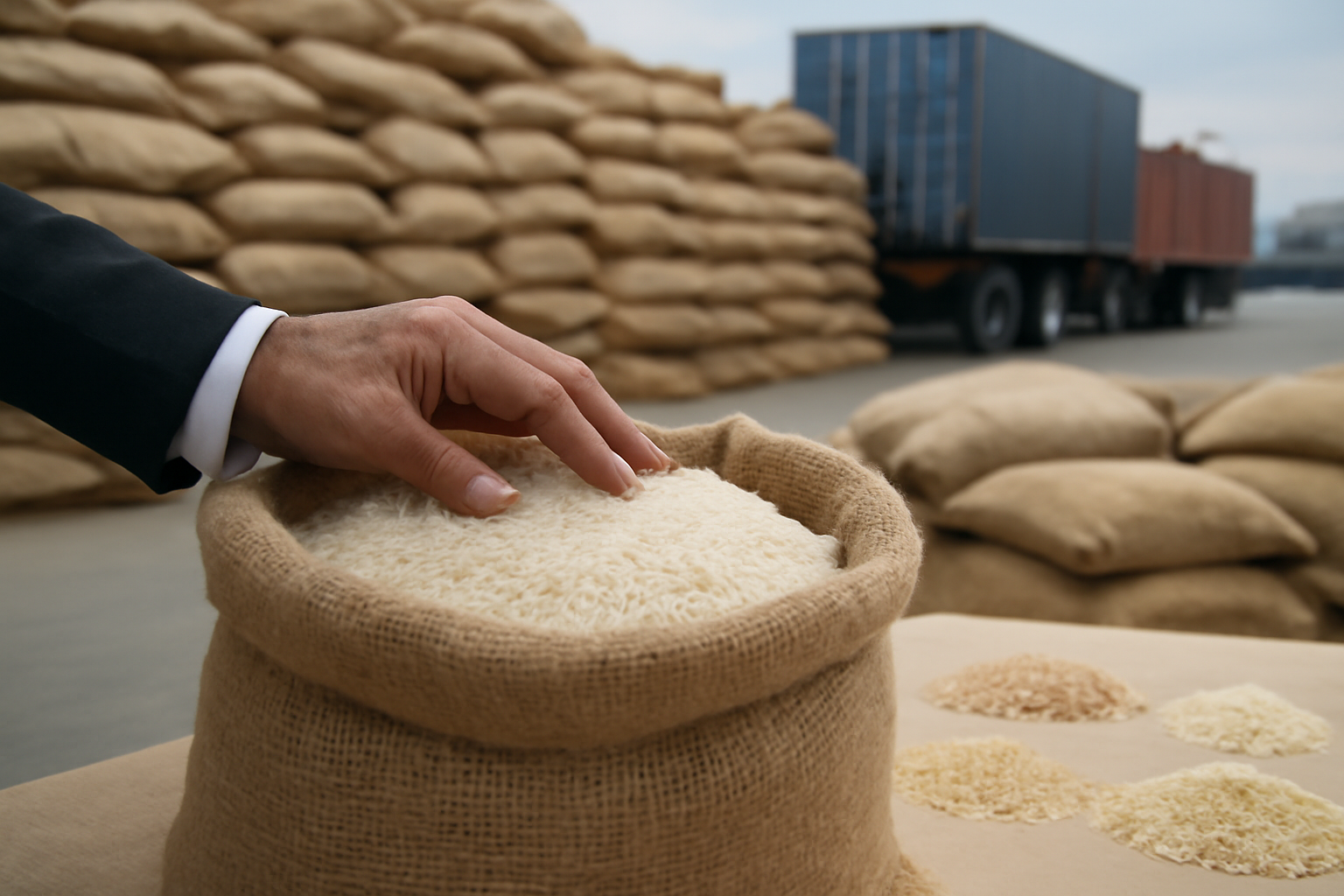
Demand moves beyond everyday rice
Overseas demand for basmati rice is becoming more selective. Buyers are no longer assessing the product solely as rice for everyday consumption. Variety, production region, grain quality, aroma, aging and cooking characteristics are increasingly part of the purchasing decision.
This changes how basmati can be presented to international customers. Instead of competing only as a broad commodity category, suppliers can differentiate consignments through characteristics that are visible before cooking, experienced during preparation or confirmed in the finished dish. Grain appearance, fragrance and cooking behavior can therefore influence how buyers compare products from different suppliers.
Identity and consistency gain importance
Greater differentiation may create opportunities for Indian farmers and exporters, but it also raises expectations. A product marketed by variety or origin must retain that identity as it moves from the field through procurement, milling, storage and shipment. Mixing lots or allowing quality to vary can weaken the distinction for which a buyer may be willing to pay.
Aging adds another commercial consideration. Where buyers specifically seek older rice, storage becomes part of product development rather than merely a delay between harvest and sale. Exporters must preserve the aroma, grain quality and cooking properties expected by the customer while maintaining clear separation between different varieties, origins and ages.
Implications for growers and exporters
For growers, more specific demand can make varietal choice and production location commercially significant. Farmers supplying a differentiated segment may need closer coordination with millers and exporters so that the qualities sought by overseas customers are maintained after harvest. The opportunity depends not only on producing basmati, but on delivering the particular attributes requested by the buyer.
Exporters, meanwhile, can use clearer product segmentation to serve customers with different preferences. Some may prioritize aroma, while others focus on grain quality, age or cooking performance. The source material provides no figures for demand, prices, premiums, production or trade volumes, so the scale of the shift cannot be quantified. Even so, the direction described is clear: overseas purchasing is becoming more attentive to the identity and performance of basmati, increasing the value of traceability, careful storage and consistent processing.
