Bulog’s Indramayu branch procures record 156,000 tons of unhulled rice
Bulog’s Indramayu branch procured 156,000 tons of unhulled rice by mid-July 2026, the highest volume in its history. The milestone highlights the scale of domestic purchasing in one of Indonesia’s rice-producing regions.
Indramayu procurement reaches historic high
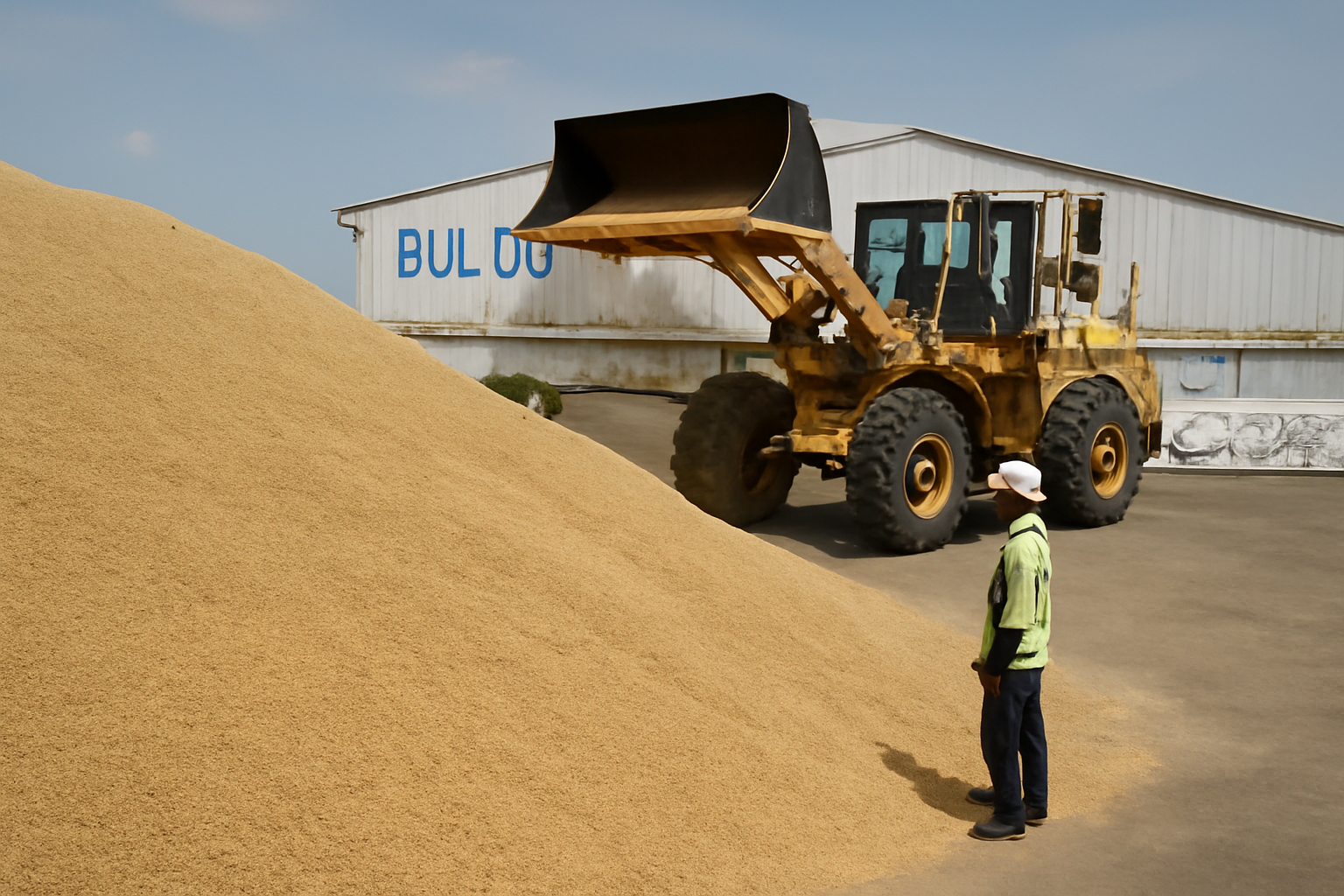
Indonesia’s state logistics agency Bulog has recorded its highest-ever grain procurement volume at its Indramayu branch. The branch absorbed 156,000 tons of unhulled rice during the current season, according to Republika, marking a record since the local unit was established.
The reported total was reached by mid-July 2026. Republika described the branch’s combined intake of unhulled and milled rice as the highest in its history, although the available source material does not provide a separate breakdown for milled rice. The 156,000-ton figure therefore offers the clearest measure of the scale of the procurement campaign.
Domestic collection supports state rice management
Bulog’s purchases connect farm production with Indonesia’s state-managed food logistics system. By taking delivery of unhulled rice, the agency draws supplies from the domestic harvest before the grain is processed into milled rice for storage, distribution or sale. A record intake in Indramayu indicates that a substantial quantity of local production has entered this official procurement channel.
For farmers and local suppliers, the volume represents a large source of institutional demand. For millers, warehouse operators and transport companies, the movement of 156,000 tons of unhulled rice also implies a significant handling requirement across collection, processing and storage. The source material does not disclose procurement prices, the number of participating farmers or the destination of the acquired grain.
Trade implications depend on national supply
The Indramayu result is primarily a domestic procurement development rather than an international trade transaction. Even so, the size of state purchases matters to rice importers and market analysts because Bulog’s inventories form part of the supply available to the Indonesian market. Stronger domestic collection can increase the volume managed inside the country, while future import requirements will also depend on consumption, production elsewhere in Indonesia and decisions by the authorities.
The record should not be interpreted on its own as evidence of a change in Indonesia’s import demand. The available report gives no national procurement total, comparison with previous years, stock level, import volume or export figure. It does, however, show that Bulog’s Indramayu operation had secured 156,000 tons by the middle of July, establishing a new local benchmark for state absorption of the rice harvest.
Limited data leave price effects unclear
No farm-gate price, procurement budget or market-price comparison was included in the available material. It is therefore not possible to quantify the effect of the purchases on domestic rice prices or farmer revenue. The record volume nevertheless gives traders a concrete indicator of physical supply entering Bulog’s network from Indramayu.
Importers and exporters will need broader national data before drawing conclusions about Indonesia’s external rice needs. For now, the principal signal is operational: the Indramayu branch processed a historically large procurement volume within the first half of July 2026, increasing the importance of local milling, transport and storage capacity in managing the collected crop.