Bulog’s 2026 rice procurement reaches record 4.11 million tonnes
Indonesia’s Bulog procured 4,115,014 tonnes of rice equivalent by 8 October 2026, exceeding its government target and setting a company record. Central Java contributed 406,253 tonnes, reaching 108.43% of its annual target.
National procurement exceeds the government mandate
Indonesia’s state food logistics agency Perum Bulog procured 4,115,014 tonnes of rice equivalent by 8 October 2026, according to Zonapasar.com, setting the highest procurement volume in the agency’s history. The total represented 102.88% of the government-assigned target of 4 million tonnes, with procurement scheduled to continue through the end of the year.
The result exceeded Bulog’s previous record of 3.65 million tonnes, registered in 2012. It was also 923,045 tonnes above the 3,191,969 tonnes procured during all of 2025, an increase of about 29% based on the figures reported by the publication. The achievement before year-end gives the government a larger volume of domestically sourced rice for public food reserves and market operations.
The figures are reported on a rice-equivalent basis, an important distinction because Bulog purchases both unhusked rice and processed rice. A separate Kompas headline described the 4.11 million-tonne result as procurement of unhusked rice, while the detailed Bulog data published by Zonapasar.com identified the national total as rice equivalent. The latter measure provides a common basis for comparing different forms of grain entering the procurement system.
Central Java delivers 108.43% of target
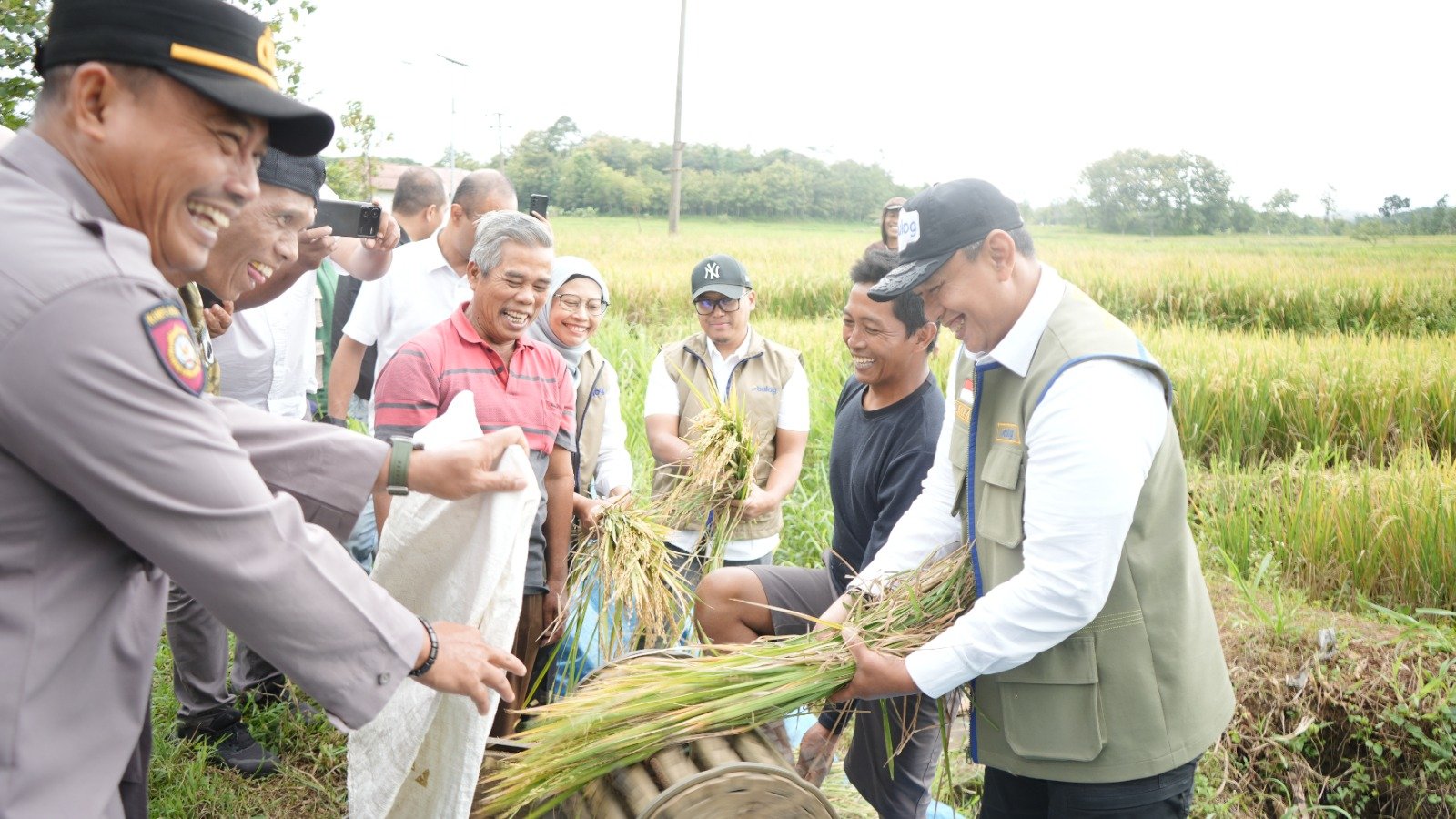
Central Java procured 406,253 tonnes of rice equivalent against a 2026 target of 374,658 tonnes. The province therefore exceeded its mandate by 31,595 tonnes and reached 108.43% of target. Procurement of unhusked rice within the operating area of Bulog’s Central Java regional office separately totaled 788,606 tonnes.
Sri Muniati, head of Bulog’s Central Java regional division, attributed the performance to cooperation among farmers, procurement partners, government agencies, local authorities, the military, the police and Bulog personnel. The agency also expanded purchasing activity in production centers and relied on available processing facilities and warehouse capacity to absorb crops, particularly during harvest periods.
Central Java accounted for just under 10% of Bulog’s reported national procurement on a rice-equivalent basis. Its above-target result illustrates the importance of regional collection networks: national targets depend not only on agricultural output, but also on the ability to buy, process, transport and store grain when farmers bring larger volumes to market.
Larger stocks support farmers and market intervention
For farmers, state procurement provides an additional outlet during harvest and can reduce the risk that concentrated seasonal supply leaves crops without buyers. Bulog said continued purchasing was intended to maximize absorption of domestic production and provide greater market certainty for agricultural producers. The operational benefit will depend on purchasing networks remaining accessible and on processing and storage capacity keeping pace with incoming grain.
For the government, the record intake strengthens the Government Rice Reserve, known as CBP. These stocks can be used for price-stabilization programs and food distribution to the population. The reported volume concerns procurement rather than the reserve’s net balance, however: final stock levels also depend on releases, distribution programs and other movements during the year.
Bulog plans to continue procuring unhusked and processed rice through the end of 2026. With the annual mandate already exceeded by 115,014 tonnes as of 8 October, additional purchases will further test warehouse utilization and processing capacity. The immediate market effect is stronger state demand for domestic harvests; the longer-term impact will depend on how efficiently the larger public inventory is stored and deployed.