Brazilian melon shipments to Europe begin in week 36 amid strong demand
The first Brazilian shipments of YHD, Galia and Piel de Sapo melons, as well as mini watermelons, are scheduled from week 36. Supply is expected to increase from week 37 and continue until around week 10, when Costa Rican production takes over.
Brazilian season opens into firm European demand
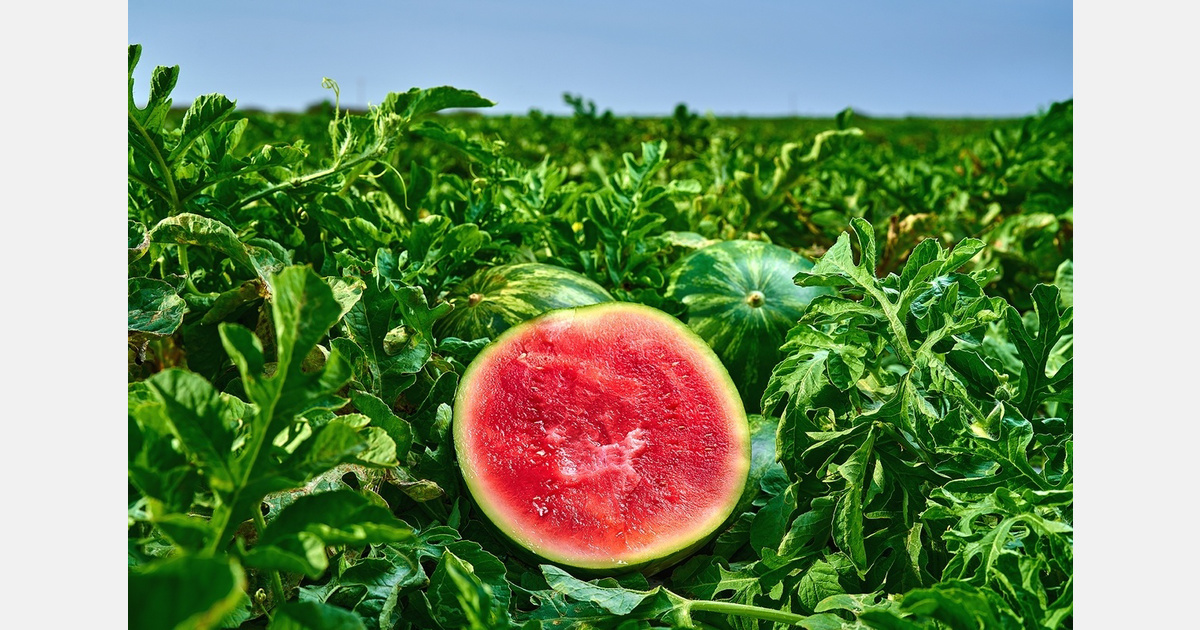
The first shipments of Brazilian melons and watermelons to Europe are scheduled to begin in week 36, according to FreshPlaza. The opening range includes YHD, Galia and Piel de Sapo melons, alongside standard and mini watermelons. The season is starting against a backdrop of strong consumption in the Netherlands and steady demand across the wider European market.
Crop development in Brazil is reported to be progressing well under favorable growing conditions. Availability is expected to increase from week 37, giving European importers a gradually expanding supply window rather than an immediate arrival of peak volumes. No shipment-volume or price forecasts were provided, but the planned increase will be closely watched by buyers managing the transition between European and overseas production.
Brazilian supplies are expected to continue until approximately week 10. Production from Costa Rica will then take over, supporting continuity after the Brazilian program ends. This sequence allows suppliers to maintain melon availability through the European winter and into the return of other seasonal origins.
Dutch consumption reaches a record
Recent data from the Dutch industry association GroentenFruit Huis show that melon consumption in the Netherlands reached 3.1 kilograms per person in 2025, the highest level recorded. Watermelon remained the most popular type. Brazil, Spain and Costa Rica are among the principal suppliers serving the Dutch market and together help maintain year-round availability.
The consumption figure provides a supportive starting point for the Brazilian campaign. Demand is not limited to one format: watermelons and mini watermelons remain central to the category, while yellow melons and Galia varieties also account for a substantial part of international sales. The combination gives retailers and foodservice operators options across different sizes, flavors and uses.
For importers, the timing of the Brazilian season is significant because it extends supply after the main European production period. The gradual increase from week 37 may help buyers align programs with existing stocks, although the source did not disclose expected prices, contracted volumes or freight costs.
Staay expands its assortment
Staay Food Group reports that its melon category has been expanding for several years. Commercial director Matthijs Vlasblom said watermelon remains the category’s main driver, while YHD melons are rapidly gaining popularity because consumers value their consistent quality, sweet taste and versatility.
The company’s international melon sales continue to be led by three groups: standard and mini watermelons, yellow melons and Galia melons. Watermelon and yellow melon are recording particularly strong growth. Staay will also introduce Charentais melons during the season, with the cantaloupe variety expected to arrive several weeks after the campaign begins.
Charentais is intended to broaden the offer for foodservice businesses and specialist stores seeking different flavor concepts, while also providing an additional retail option. Brazilian fruit will be marketed exclusively under Staay’s DULCE and NERO brands. The company said its own cultivation facilities and grower partnerships allow it to supply a broad assortment throughout the year with stable volumes and consistent quality.