Brazil could triple palm planting as biofuel demand expands in cleared Amazon areas
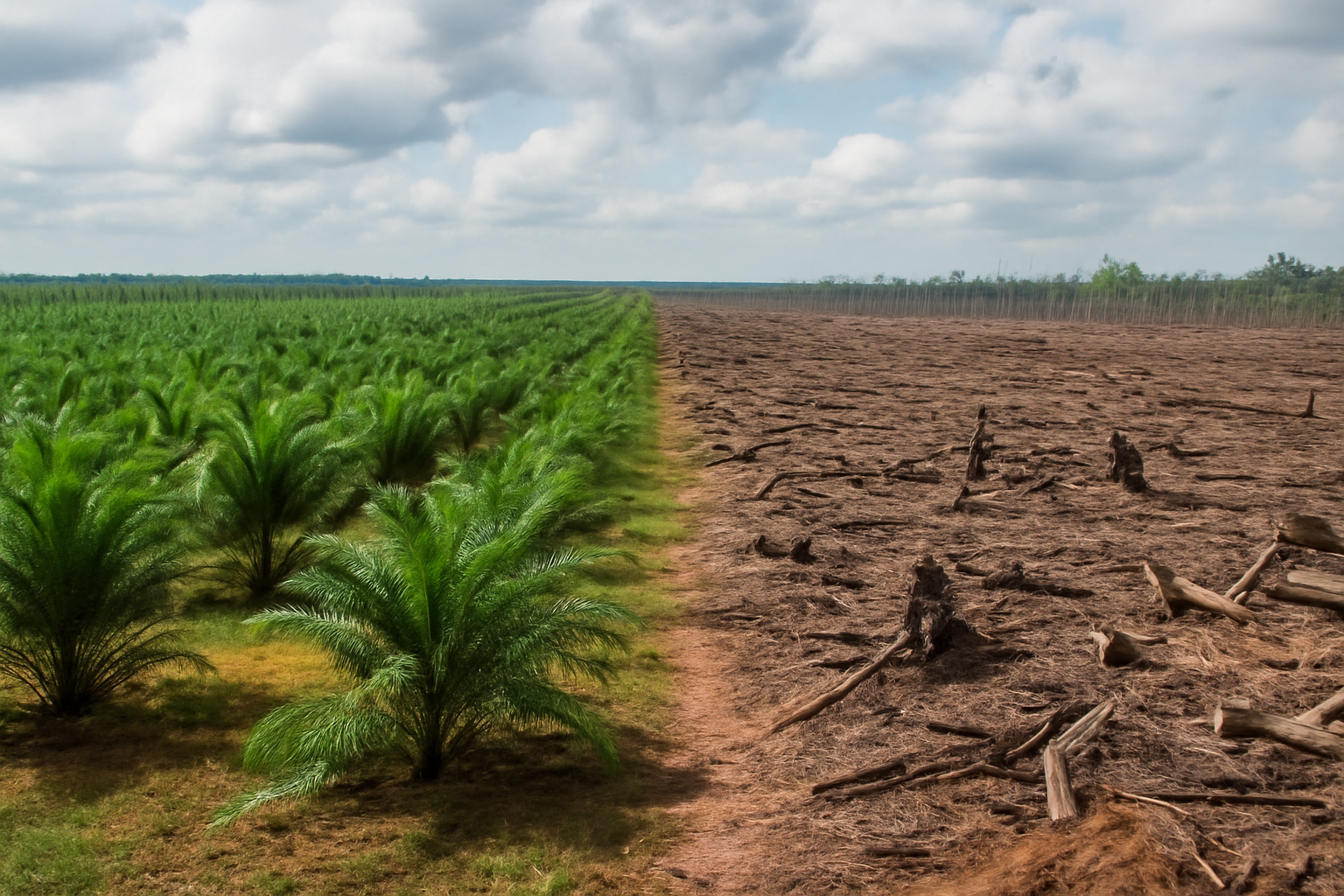
Brazil could triple its palm-planted area as biofuel demand supports further industry growth, Forbes Brasil reports. Cultivation has been advancing on land in the Amazon that was deforested previously, bringing land use and supply expansion into focus.
Biofuel demand could accelerate palm expansion
Brazil could triple the area planted with palm as growing biofuel demand gives the sector an additional boost, according to Forbes Brasil. The reported projection points to a potentially large expansion of the country’s palm supply base, although the available source material does not specify the current planted area, the projected total, a timetable or the volume of biofuel that could be produced.
The prospective increase matters to palm growers, processors and fuel producers because a threefold expansion would require substantially more land under cultivation. It could also change the scale of raw-material availability for Brazilian biofuel projects. The report identifies fuel demand as an additional source of growth for the sector, indicating that the market would not rely solely on existing uses of palm production.
Previously cleared Amazon land is central to the plan
Forbes Brasil reports that palm cultivation has been advancing in parts of the Amazon that were deforested in the past. Using previously cleared areas distinguishes the proposed expansion from planting that directly replaces standing forest. It does not, however, remove questions about how land is selected, how earlier deforestation is documented and whether new commercial demand could alter land-use incentives in surrounding areas.
The location of the expansion is therefore as important as its possible scale. Producers and investors will need clear evidence that plantations are confined to eligible land if the resulting palm oil or biofuel is to be presented as coming from previously deforested areas. Buyers and fuel companies will also need reliable information about the origin of feedstock, particularly when assessing the environmental profile of future production.
Key commercial details remain unspecified
The source material does not identify companies, individual projects, processing capacity, investment values or opening dates associated with the projection. It also provides no baseline against which the possible tripling can be measured. Without those details, the figure should be treated as an indication of the sector’s potential direction rather than a confirmed planting program.
For market participants, the next relevant indicators will be the amount of land committed to cultivation, the pace at which planting occurs and whether processing and biofuel capacity develop alongside the crop area. The relationship between feedstock growth and actual fuel demand will determine how much of the proposed expansion becomes commercially viable.
The report nevertheless places Brazil’s palm sector at the intersection of two significant business questions: how rapidly biofuel demand can enlarge agricultural production, and whether that growth can be directed toward land cleared in the past. A possible tripling would create opportunities for growers and processors, but its market and land-use effects cannot be assessed fully until the baseline, timetable and project-level commitments are disclosed.